Clinical Scorecard: What Prevents Chemo-Linked HFS?
At a Glance
Category
Detail
Condition
Hand-foot syndrome (HFS)
Key Mechanisms
Dose-dependent cutaneous toxic effect primarily associated with capecitabine and fluoropyrimidines.
Target Population
Patients receiving chemotherapy, particularly those treated with capecitabine for breast, colorectal, gastrointestinal, or ovarian cancers, and multiple myeloma.
Care Setting
Oncology clinics and outpatient chemotherapy settings.
Key Highlights
Topical diclofenac and silymarin reduce risk of clinically significant HFS.
Grade 2 or higher HFS can interfere with daily activities and lead to treatment interruptions.
Four interventions showed significant reduction in grade 2 or higher HFS compared to placebo.
Diclofenac supported by larger phase 3 trial; silymarin findings based on small phase 2 trial.
Most trials had low to moderate risk of bias.
Guideline-Based Recommendations
Diagnosis
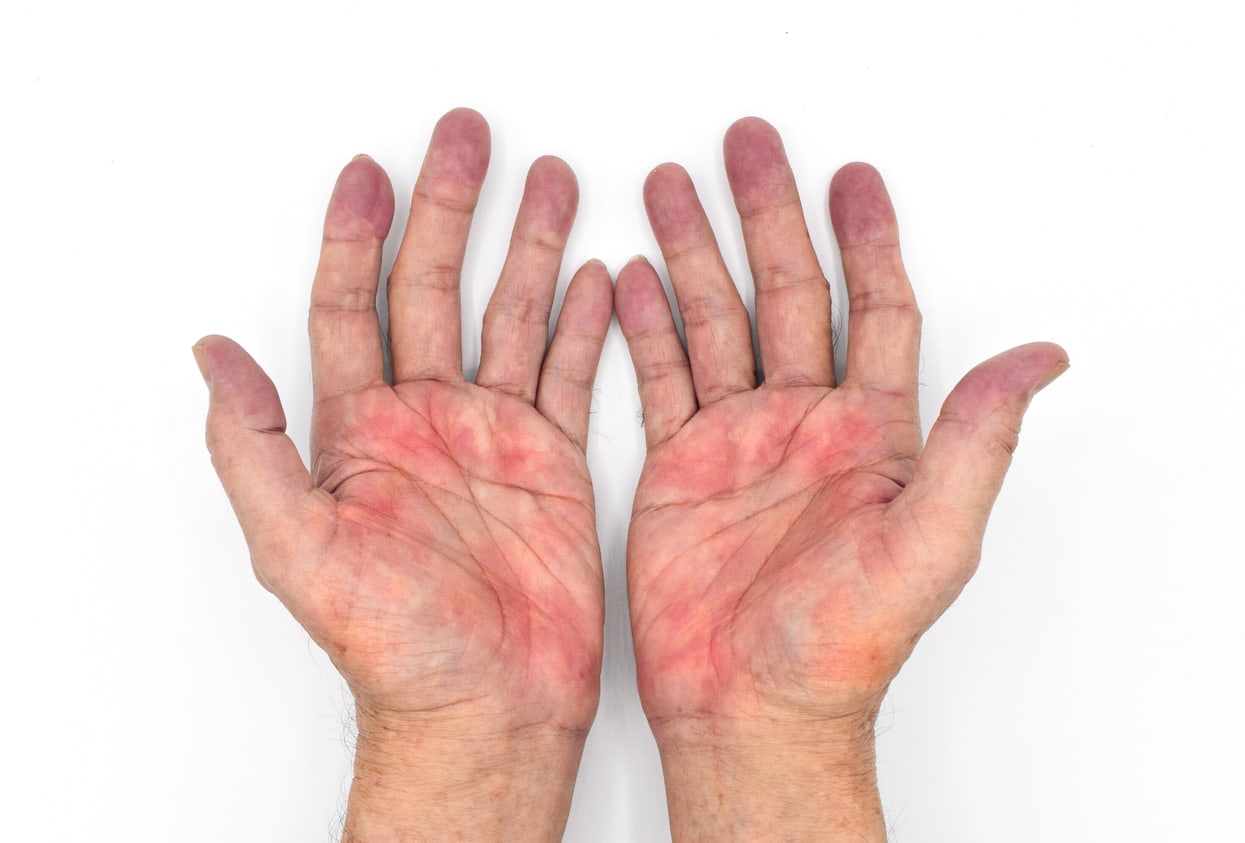
Monitor for symptoms of HFS including erythema, edema, and dysesthesia of palms and soles.
Management
Consider topical diclofenac or silymarin for prevention of HFS in patients receiving capecitabine.
Monitoring & Follow-up
Regular assessment of HFS grading during chemotherapy treatment.
Risks
Increased risk of HFS with capecitabine and other fluoropyrimidines; potential for dose reduction or treatment interruption.
Patient & Prescribing Data
Patients undergoing chemotherapy, especially those on capecitabine.
Diclofenac and silymarin are effective in reducing the incidence of HFS.
Clinical Best Practices
Utilize topical diclofenac as a first-line preventive measure for HFS.
Evaluate the risk of HFS in patients receiving fluoropyrimidines and adjust treatment plans accordingly.
Encourage patients to report early symptoms of HFS for timely intervention.