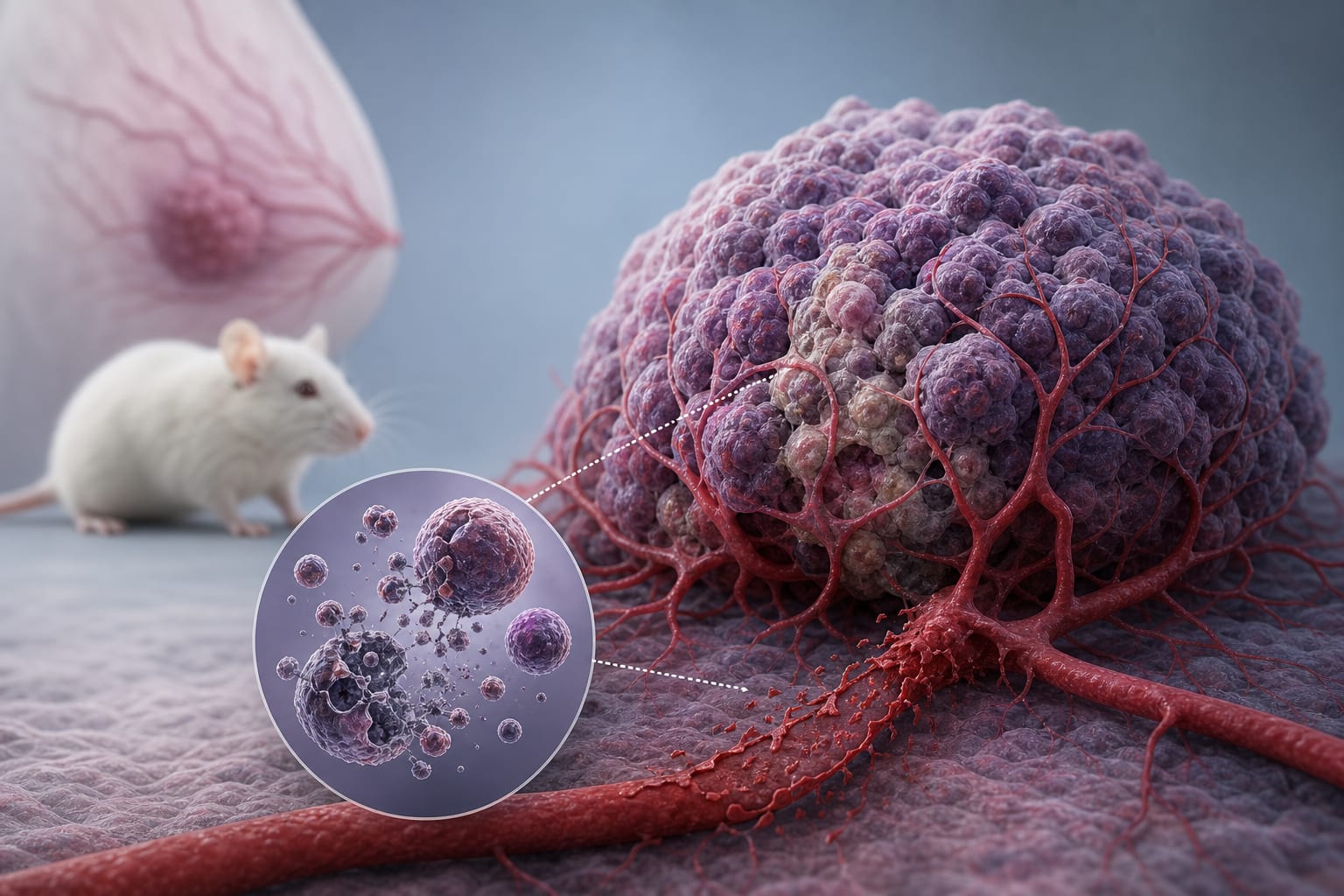
T-knife Launches Phase 1 Trial of CRISPR T Cell Therapy
The first-in-human ATLAS trial will test PRAME-targeting CRISPR T cells in advanced cancers
Clinical Scorecard: T-knife Launches Phase 1 Trial of CRISPR T Cell Therapy
At a Glance
| Category | Detail |
|---|
| Condition | PRAME-expressing solid tumors |
| Key Mechanisms | CRISPR-engineered T cells targeting PRAME with enhanced tumor recognition and persistence. |
| Target Population | Patients with advanced PRAME-positive cancers. |
| Care Setting | Clinical trial setting in Europe. |
Key Highlights
- TK-6302 targets multiple solid tumor types including lung, ovarian, and breast cancers.
- Engineered T cells incorporate high-affinity receptors and genetic modifications for enhanced activity.
- Preclinical studies show sustained tumor cell killing and improved T-cell persistence.
Guideline-Based Recommendations
Diagnosis
- Identify PRAME-positive tumors for potential treatment eligibility.
Management
- Initiate Phase 1 ATLAS trial to evaluate TK-6302 in advanced cancer patients.
Monitoring & Follow-up
- Assess tumor response and T-cell activity during the trial.
Risks
- Potential challenges in T-cell engraftment and survival in immunosuppressive environments.
Patient & Prescribing Data
Patients with advanced PRAME-positive solid tumors.
TK-6302 aims to improve T-cell fitness and overcome immune barriers in solid tumors.
Clinical Best Practices
- Utilize CRISPR technology for T-cell engineering to enhance therapeutic efficacy.
- Monitor for immune response and tumor dynamics in clinical trials.
Related Resources & Content