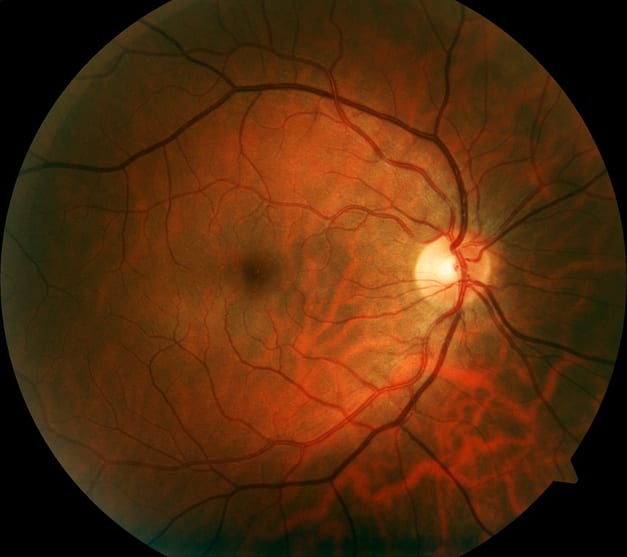
Vamikibart Shows Early Safety in Uveitic Macular Edema
Phase 1 nonrandomized trial reported no drug-related serious adverse events, but efficacy remains unproven
By
Kerri Miller
May 7, 2026
Clinical Scorecard: Vamikibart Shows Early Safety in Uveitic Macular Edema
At a Glance
Category Detail
Condition Uveitic Macular Edema Key Mechanisms Intravitreal anti–interleukin-6 monoclonal antibody Target Population Patients with noninfectious uveitic macular edema Care Setting Ophthalmology clinics
Key Highlights
No sustained intraocular pressure elevations or new cataracts reported with vamikibart. Over 80% of participants had complete resolution of intraretinal fluid by week 12. Improvements in visual acuity maintained through 36 weeks in lower dose groups. No drug-related serious adverse events reported in the DOVETAIL trial. Current therapies like corticosteroids have significant limitations. Guideline-Based Recommendations
Diagnosis
Assess uveitic macular edema through clinical examination and imaging. Management
Consider corticosteroids as standard treatment, but evaluate for potential adverse effects. Monitoring & Follow-up
Monitor intraocular pressure and visual acuity regularly. Risks
Corticosteroids are associated with cataract formation and elevated intraocular pressure. Patient & Prescribing Data
Patients with anterior, intermediate, posterior, and panuveitis.
Vamikibart shows promise in safety and tolerability, but efficacy remains to be established.
Clinical Best Practices
Conduct thorough patient assessments prior to initiating treatment. Monitor for intraocular inflammation and visual outcomes during follow-up. Consider participation in ongoing clinical trials for access to novel therapies. Related Resources & Content