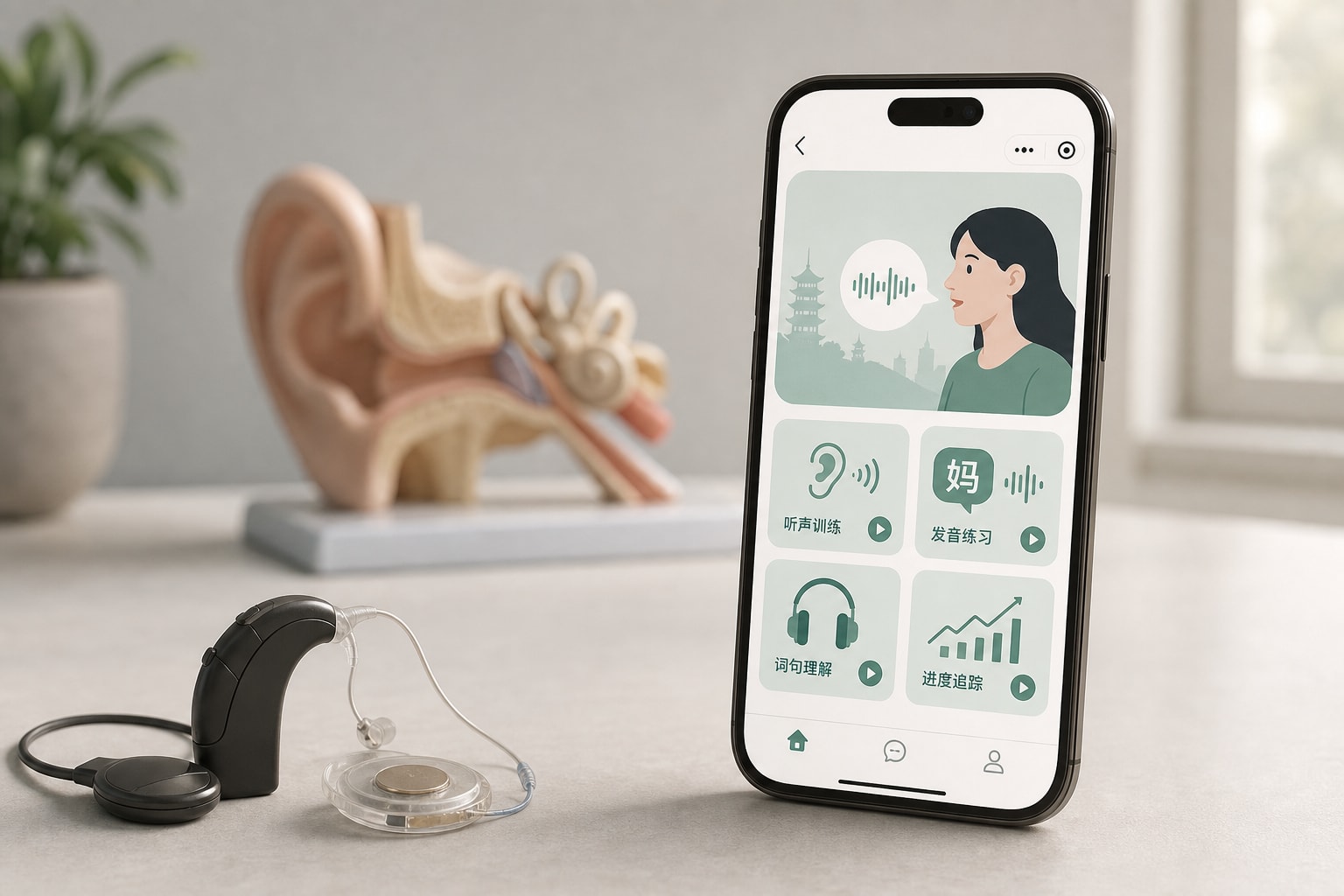
Outreach screening may uncover hearing loss
Recommended treatment was implemented in only about one-third of traceable cases, leaving substantial hearing care gaps after detection.
By
Andrea Surnit
August 25, 2026
Clinical Scorecard: Outreach screening may uncover hearing loss
At a Glance
Category Detail
Condition Hearing Loss in Patients with Intellectual Disability Key Mechanisms Outreach screening, diagnostic testing, treatment referrals Target Population Patients with intellectual disability aged 1 to 90 years Care Setting Everyday environments such as nurseries, schools, workplaces, and residential facilities
Key Highlights
44% of patients with intellectual disability were diagnosed with hearing loss. 70% of those with confirmed hearing loss had previously undiagnosed conditions. Treatment uptake remained limited, with only 27% receiving prescriptions or referrals. Hearing aid use varied significantly, with many patients not using devices as prescribed. Barriers to obtaining hearing aids included caregiver decisions and scheduling failures. Guideline-Based Recommendations
Diagnosis
Conduct outreach screening in everyday settings. Utilize diagnostic testing when screening indicates possible hearing loss. Management
Provide treatment prescriptions or referrals based on diagnostic findings. Implement structured auditory rehabilitation and communication training. Monitoring & Follow-up
Repeat screening and monitoring protocols after 1 year. Risks
Untreated or undertreated hearing loss persisted in a significant portion of patients. Patient & Prescribing Data
Patients with intellectual disability identified through outreach screening.
Limited follow-through on treatment recommendations, with only 37% adherence to prescribed interventions.
Clinical Best Practices
Educate professionals, caregivers, and families about hearing problems. Raise awareness of the importance of ear and hearing care. Related Resources & Content