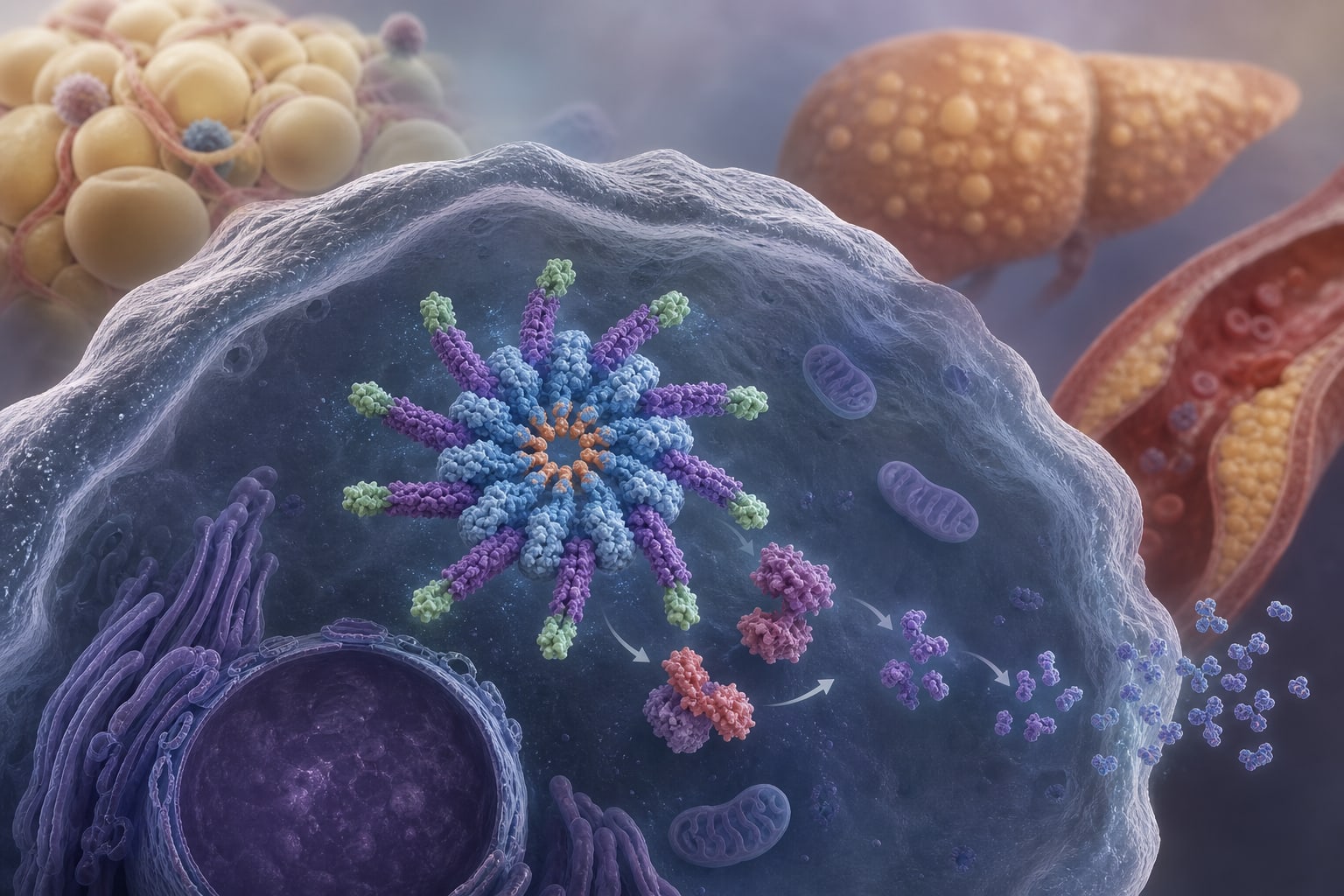
Clinical Scorecard: Impact of Excess Weight on Thyroid Nodule Formation in Pediatric Populations: Insights from the Fukushima Health Management Study
At a Glance
Category
Detail
Condition
Thyroid nodules in children and adolescents
Key Mechanisms
Overweight/obesity potentially promotes thyroid nodule development via insulin resistance, chronic inflammation, and endocrine dysregulation
Target Population
Children and adolescents under 20 years old in Fukushima Prefecture
Care Setting
Population-based thyroid ultrasonography screening in a public health survey setting
Key Highlights
Overweight status is associated with a 27% increased odds of developing new thyroid nodules in children and adolescents.
The association is observed across sexes, with a slightly higher odds ratio in females (1.32) than males (1.21).
Age groups from 0 to 19 years show increased odds (1.17 to 1.75) of thyroid nodule development linked to overweight status, independent of radiation exposure proximity.
Guideline-Based Recommendations
Diagnosis
Use thyroid ultrasonography for detection of thyroid nodules in pediatric populations at risk.
Screen children and adolescents with overweight/obesity for thyroid nodules, especially in post-radiation exposure contexts.
Management
Monitor overweight children and adolescents longitudinally for thyroid nodule development.
Address overweight and obesity as modifiable risk factors to potentially reduce thyroid nodule incidence.
Monitoring & Follow-up
Conduct repeated thyroid ultrasonography examinations at intervals (e.g., every 2-3 years) in at-risk pediatric populations.
Track changes in BMI and thyroid nodule status over time to assess risk progression.
Risks
Overweight and obesity increase the risk of thyroid nodule formation in children and adolescents.
Thyroid nodules in pediatric populations carry a higher malignancy risk (22%-26%) compared to adults.
Patient & Prescribing Data
Approximately 300,000 children and adolescents under 20 years old in Fukushima Prefecture
No pharmacologic treatment data reported; focus is on surveillance and risk factor modification (weight management) to prevent thyroid nodule development.
Clinical Best Practices
Implement population-based thyroid ultrasonography screening in pediatric populations exposed to radiation or with high obesity prevalence.
Incorporate BMI assessment in routine pediatric evaluations to identify those at increased risk for thyroid nodules.
Educate families on the importance of maintaining healthy weight to reduce thyroid nodule risk.
Use longitudinal follow-up to detect new thyroid nodules early in overweight children and adolescents.