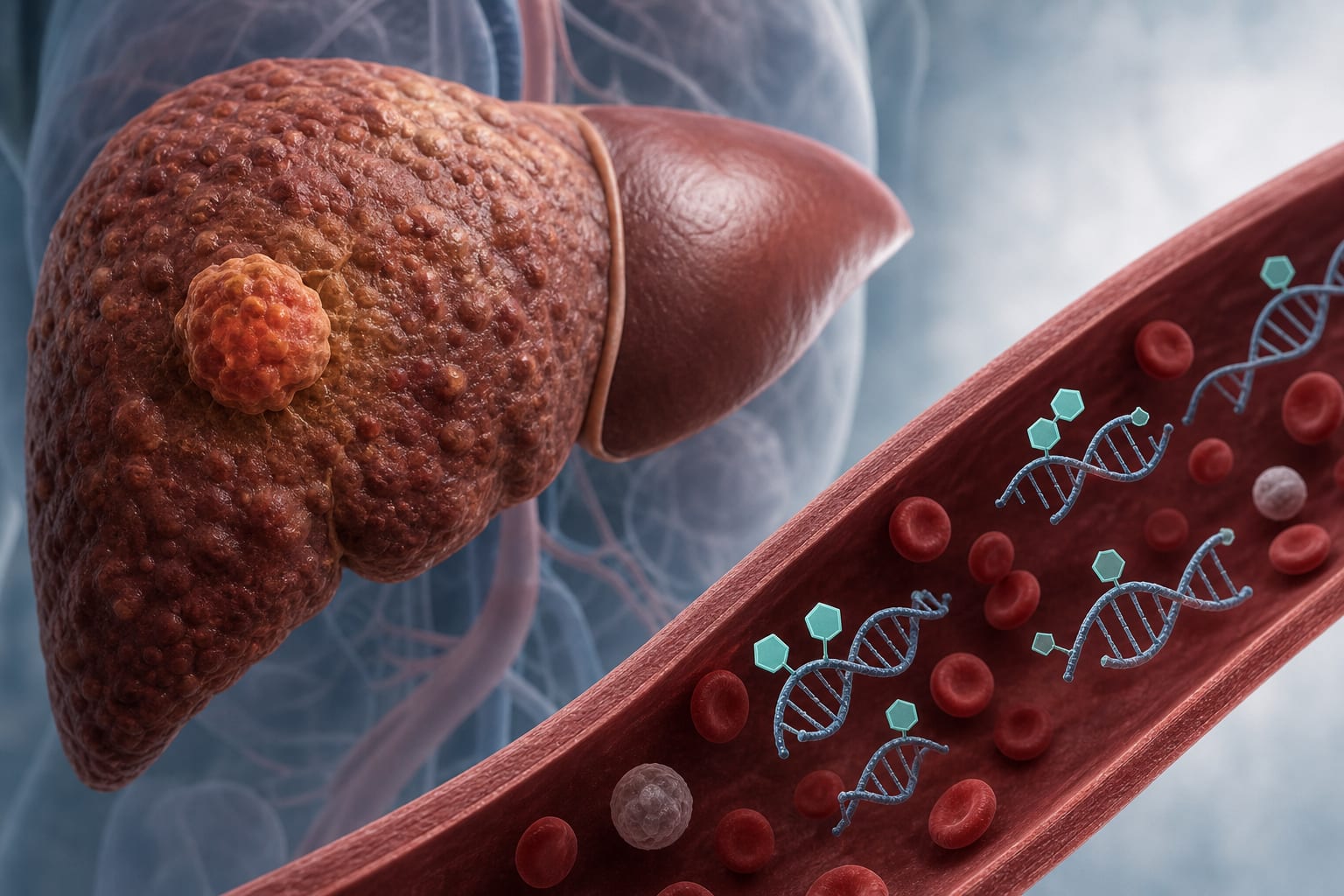
Clinical Scorecard: Proactive Identification and Management of Preoperative Anemia in Colorectal Surgery Patients: A Prospective Investigation
At a Glance
Category
Detail
Condition
Preoperative anemia in patients undergoing colorectal surgery
Key Mechanisms
Preoperative anemia, mainly due to iron deficiency, reduces hemoglobin levels leading to impaired perfusion and oxygenation at the anastomosis site, increasing risk of colorectal anastomotic leakage (CAL).
Target Population
Patients scheduled for elective colorectal surgery involving anastomosis creation, including benign and malignant indications.
Care Setting
Preoperative outpatient clinics and perioperative hospital settings in colorectal surgery units.
Key Highlights
Preoperative anemia is a significant modifiable risk factor for colorectal anastomotic leakage (CAL), with an odds ratio of 5.4.
Prevalence of preoperative anemia ranges from 22% to 67%, higher (40–80%) in colorectal cancer patients due to tumor-related blood loss.
Implementation of an enhanced care bundle including early detection and correction of anemia improves perioperative outcomes.
Guideline-Based Recommendations
Diagnosis
Screen all elective colorectal surgery patients preoperatively with hemoglobin, ferritin, transferrin saturation, and C-reactive protein tests.
Define anemia as hemoglobin <7.5 mmol/L (12.1 g/dL) in females and <8.0 mmol/L (12.9 g/dL) in males combined with ferritin <30 μg/L or ferritin 30–100 μg/L with transferrin saturation <15–20% and CRP >5 mg/L.
Management
Correct identified preoperative anemia primarily with intravenous ferric (III) carboxymaltose; oral iron supplementation may be considered at clinician discretion.
Incorporate anemia correction into a comprehensive enhanced care bundle including hyperglycemia detection, normothermia maintenance, appropriate antibiotic timing, and avoidance of unnecessary vasopressors and epidural analgesia.
Monitoring & Follow-up
Reassess hemoglobin levels after iron treatment prior to hospital admission.
Measure hemoglobin perioperatively during the time-out moment before anastomosis creation.
Recommend at least one hemoglobin measurement before hospital discharge.
Risks
Uncorrected preoperative anemia increases risk of colorectal anastomotic leakage, abdominal sepsis, stoma formation, mortality, and healthcare costs.
Patient & Prescribing Data
Elective colorectal surgery patients with preoperative anemia identified by laboratory screening.
Intravenous iron supplementation is preferred for anemia correction; timing and choice of iron therapy should be individualized based on patient status and clinician judgment.
Clinical Best Practices
Implement standardized preoperative anemia screening protocols in colorectal surgery patients.
Use a multidisciplinary enhanced care bundle addressing anemia and other perioperative risk factors to reduce CAL incidence.
Ensure compliance with anemia correction and perioperative safety measures including bowel decontamination, stapler-doughnut inspection, air-leak testing, and use of Indocyanine Green or endoscopy as appropriate.