Clinical Scorecard: Efficacy of Intravenous Lidocaine for Alleviating Post-Surgical Pain Following Hand-Assisted Laparoscopic Colon Surgery: A Randomized, Placebo-Controlled Study
At a Glance
Category
Detail
Condition
Post-surgical pain following hand-assisted laparoscopic colon surgery
Key Mechanisms
Intravenous lidocaine provides analgesic, antihyperalgesic, and anti-inflammatory effects
Target Population
Adult patients (18–75 years) undergoing elective hand-assisted laparoscopic colon resection for colon cancer
Care Setting
Perioperative and post-operative care in surgical and anesthesia units
Key Highlights
IV lidocaine infusion reduces post-operative pain levels after hand-assisted laparoscopic colon surgery
Lidocaine administration facilitates earlier restoration of bowel function and shortens hospital stay
Standardized anesthesia with lidocaine bolus and continuous infusion was well tolerated and compared to placebo
Guideline-Based Recommendations
Diagnosis
Assess patients scheduled for hand-assisted laparoscopic colon surgery for eligibility including ASA score and absence of contraindications to lidocaine
Management
Administer IV lidocaine bolus (1.5 mg/kg, max 100 mg) before anesthesia induction
Continue IV lidocaine infusion at 2 mg/kg/h intraoperatively and 1 mg/kg/h postoperatively for 24 hours
Maintain standardized general anesthesia with fentanyl, propofol, rocuronium, and sevoflurane
Monitoring & Follow-up
Monitor intraoperative blood pressure and heart rate, maintaining within 20% of baseline
Adjust anesthesia depth using bispectral index between 40 and 60
Observe for lidocaine-related adverse effects and ensure continuous postoperative analgesia
Risks
Exclude patients with severe hepatic, renal, cardiac, respiratory, endocrine diseases, or allergy to local anesthetics
Avoid in patients with history of alcohol or drug addiction or preoperative analgesic use
Patient & Prescribing Data
Adults aged 18–75 years with colon cancer undergoing elective hand-assisted laparoscopic colon surgery
IV lidocaine reduces opioid requirements, improves pain control, accelerates bowel function recovery, and shortens hospital stay compared to placebo
Clinical Best Practices
Use a double-blinded, placebo-controlled approach to evaluate analgesic efficacy
Standardize anesthesia protocols to minimize confounding variables
Ensure continuous postoperative lidocaine infusion for 24 hours to maximize analgesic benefits
Employ experienced surgical teams for consistent operative technique
Exclude patients with contraindications to lidocaine to enhance safety
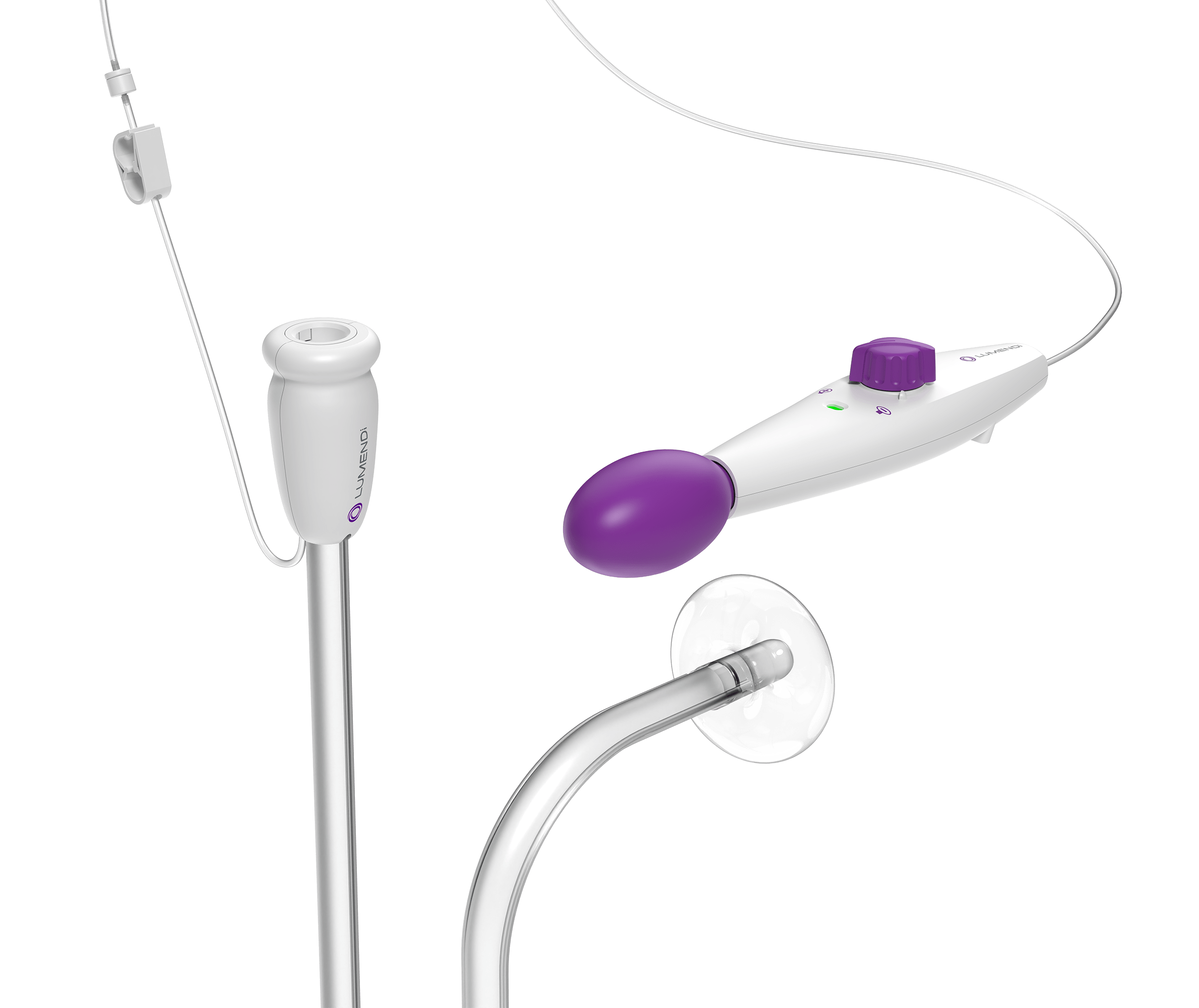
The DiLumen Platform of products give advanced endoscopists an additional tool like no other. These devices enhance the ability to perform more efficiently during colonic procedures.