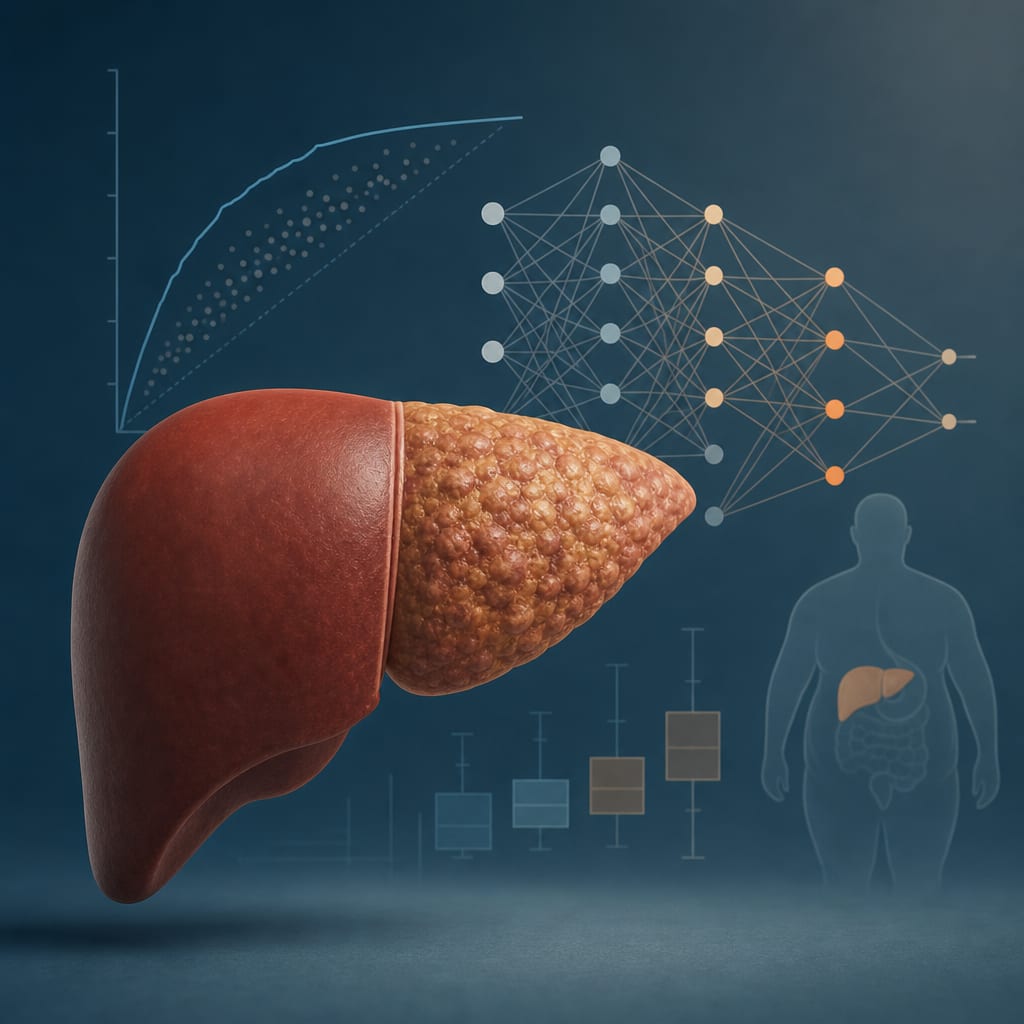
Clinical Scorecard: Familial Hypobetalipoproteinemia as a Frequently Overlooked Factor in Pediatric Fatty Liver Disease
At a Glance
Category
Detail
Condition
Familial hypobetalipoproteinemia (FHBL) causing fatty liver disease in children
Key Mechanisms
Genetic variants in APOB or MTTP genes leading to low ApoB and LDL levels, impaired lipoprotein assembly, and hepatic lipid accumulation
Target Population
Children and adolescents presenting with fatty liver, including lean and obese individuals
Care Setting
Pediatric hepatology and metabolic clinics; genetic evaluation centers
Key Highlights
FHBL is an autosomal codominant disorder characterized by low plasma LDL and ApoB levels, often below the fifth percentile.
FHBL can present with fatty liver in children, sometimes coexisting with obesity and metabolic dysfunction-associated steatotic liver disease (MASLD).
Early diagnosis of FHBL is important to prevent progression to advanced liver disease such as fibrosis and cirrhosis.
Guideline-Based Recommendations
Diagnosis
Consider FHBL in children with fatty liver, especially if lean or with atypical presentation.
Measure plasma LDL and ApoB levels; low levels suggest FHBL.
Perform genetic testing for APOB and MTTP gene variants to confirm diagnosis.
Use imaging modalities such as abdominal ultrasound and elastography to assess liver steatosis and fibrosis.
Management
Implement monitoring and management strategies to prevent progression of liver disease.
Address coexisting conditions such as obesity and metabolic syndrome.
Consider fat-soluble vitamin supplementation if indicated, especially in MTTP-related cases.
Monitoring & Follow-up
Regular assessment of liver enzymes and imaging to monitor liver status.
Follow-up lipid profiles including ApoB and LDL levels.
Monitor for signs of liver fibrosis or cirrhosis.
Risks
Risk of progression from hepatic steatosis to fibrosis, cirrhosis, and hepatocellular carcinoma.
Potential for fat-soluble vitamin malabsorption in biallelic MTTP mutations (abetalipoproteinemia).
Underdiagnosis in obese children due to overlapping metabolic syndrome features.
Patient & Prescribing Data
Pediatric patients with fatty liver disease, including lean and obese children with suspected genetic etiology
No specific pharmacologic treatment detailed; emphasis on early diagnosis, lifestyle management, monitoring, and prevention of liver disease progression
Clinical Best Practices
Maintain high clinical suspicion for FHBL in children with fatty liver, especially if lean or with low LDL/ApoB levels.
Include genetic testing for APOB and MTTP variants in diagnostic workup of unexplained pediatric fatty liver.
Evaluate for coexisting metabolic conditions and manage comprehensively.
Use multidisciplinary approach involving hepatology, genetics, and nutrition specialists.
Educate families about the genetic nature and potential liver risks associated with FHBL.