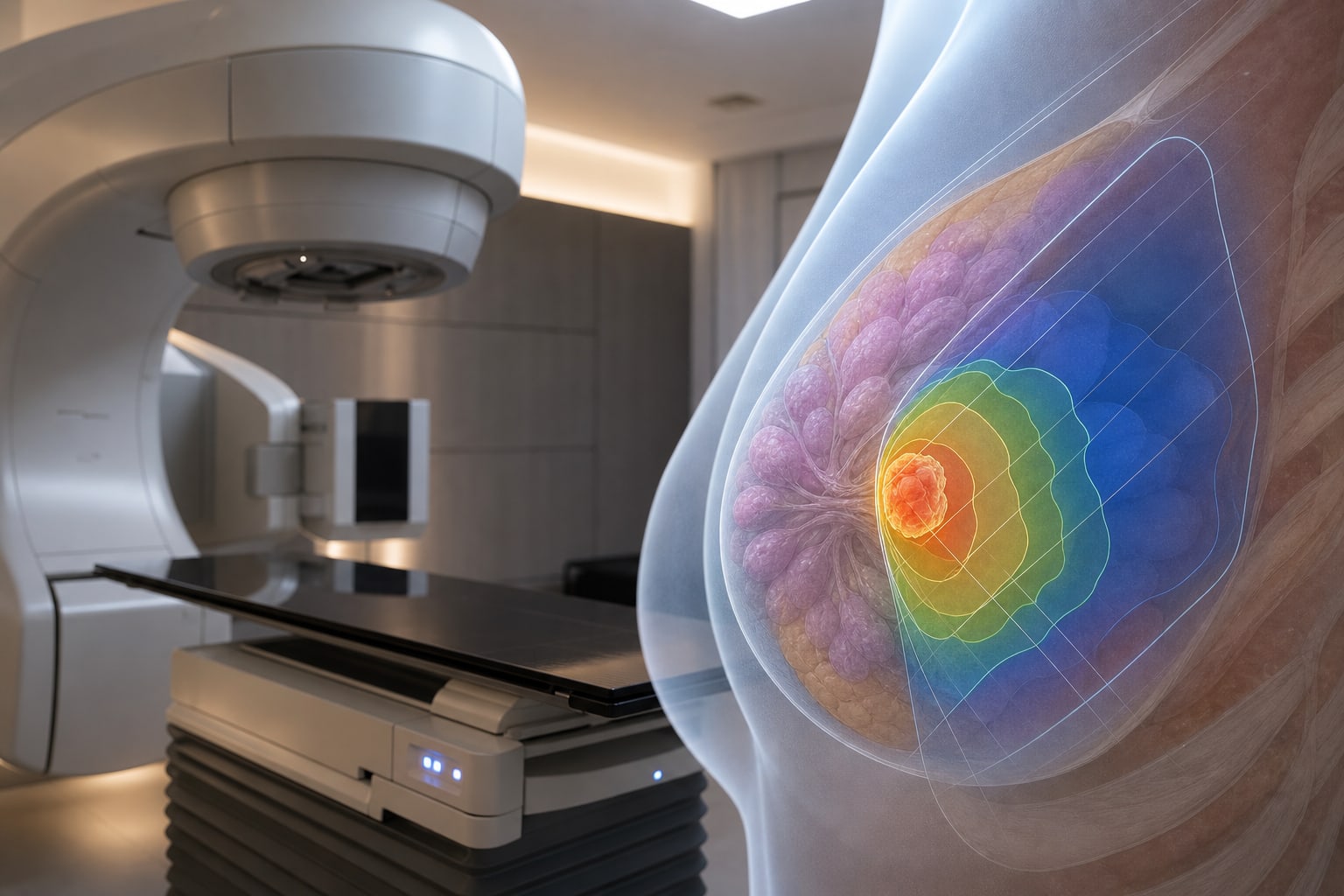
Oxidative stress and antioxidants in breast cancer: a double-edged sword
Clinical Scorecard: The Role of Oxidative Stress and Antioxidants in Breast Cancer: A Complex Relationship
At a Glance
| Category | Detail |
|---|
| Condition | Breast Cancer |
| Key Mechanisms | Oxidative stress from ROS imbalance contributes to carcinogenesis and tumor progression. |
| Target Population | Women globally, particularly those at risk for or diagnosed with breast cancer. |
| Care Setting | Oncology and dietary management. |
Key Highlights
- ROS imbalance promotes DNA damage and drives breast cancer initiation and progression.
- Antioxidants regulate ROS and help maintain cellular homeostasis.
- ROS induce apoptosis and serve as therapeutic agents against cancer.
- Plant-derived antioxidants may reduce chemotherapy side effects.
- Certain antioxidants paradoxically promote tumour progression.
Guideline-Based Recommendations
Diagnosis
- Timely diagnosis of breast cancer is crucial for reducing mortality.
Management
- Treatment strategies include surgery, chemotherapy, radiation therapy, and immunotherapy.
Monitoring & Follow-up
- Monitor for side effects of chemotherapy and consider dietary antioxidants to mitigate these effects.
Risks
- Breast cancer risk factors include age, family history, diet, alcohol intake, and hormonal exposure.
Patient & Prescribing Data
Women diagnosed with breast cancer or at high risk.
Dietary antioxidants may help improve quality of life by reducing chemotherapy side effects.
Clinical Best Practices
- Incorporate dietary antioxidants into the management plan for breast cancer patients.
- Educate patients on the dual roles of ROS and antioxidants in cancer treatment.
Related Resources & Content