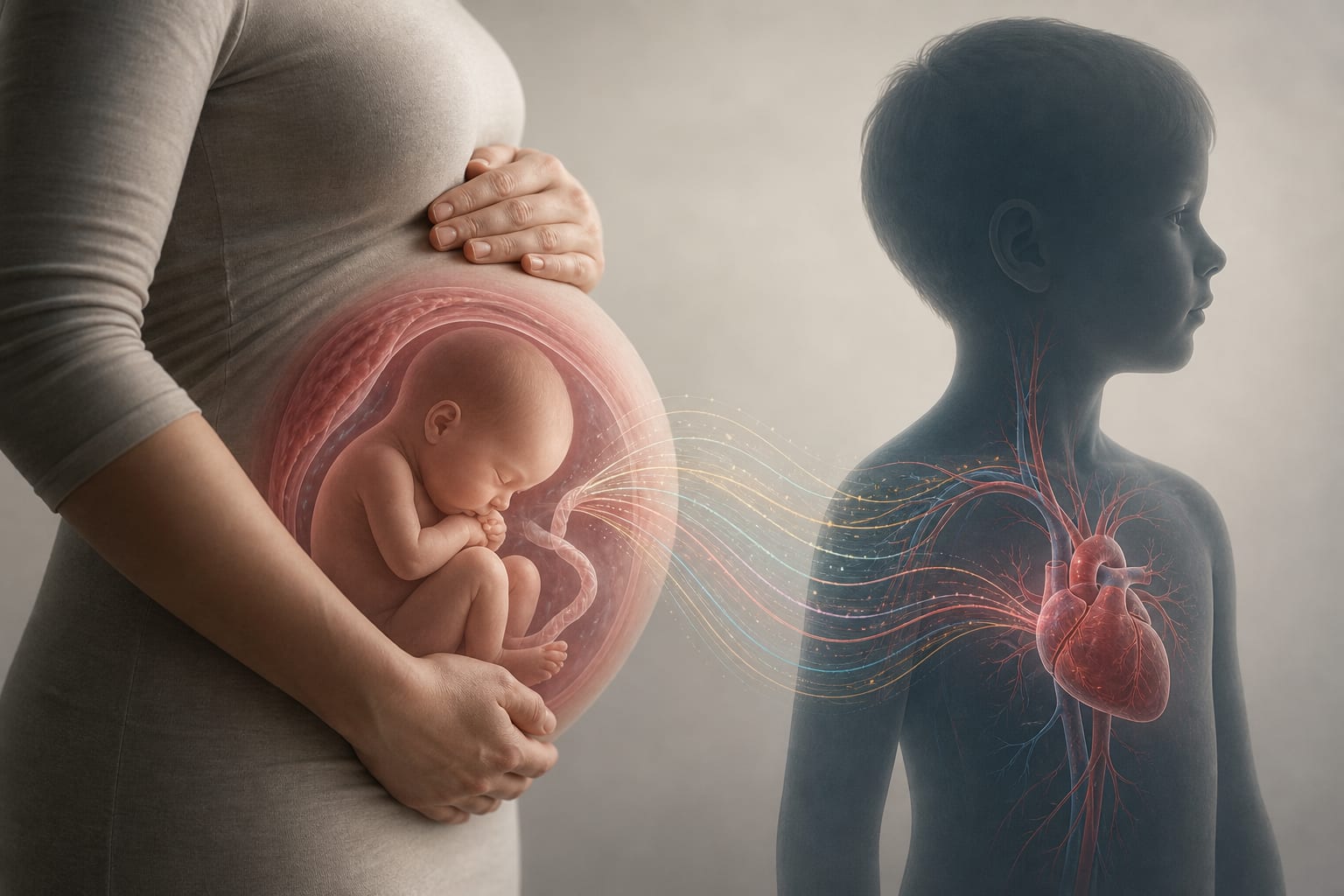
Assessing the Impact of Maternal Nutrition on Child Cardiovascular Health: Is Excessive Eating During Pregnancy Harmful?
-
By
-
Qihui Chen
-
September 1, 2026
Clinical Scorecard: Assessing the Impact of Maternal Nutrition on Child Cardiovascular Health: Is Excessive Eating During Pregnancy Harmful?
At a Glance
| Category | Detail |
|---|
| Condition | Child Cardiovascular Health |
| Key Mechanisms | Maternal body mass index and gestational weight gain impact offspring cardiovascular disease risk. |
| Target Population | Pregnant women and their offspring. |
| Care Setting | Population-based birth registry and medical databases. |
Key Highlights
- Study links maternal overweight and gestational weight gain to increased offspring CVD risk.
- Largest investigation of maternal weight and offspring CVD with a median follow-up of 22 years.
- Research supports the fetal origins hypothesis regarding intrauterine nutrition and later health.
- CVD prevalence among younger populations is rising, highlighting the need for early-life influence studies.
- Findings suggest maternal nutrition during pregnancy may be a critical factor in CVD prevention.
Guideline-Based Recommendations
Diagnosis
- Monitor maternal body mass index and gestational weight gain during pregnancy.
Management
- Consider maternal nutrition as a potential risk factor for offspring cardiovascular health.
Monitoring & Follow-up
- Longitudinal follow-up of offspring for cardiovascular health outcomes.
Risks
- Excessive maternal weight gain may predispose offspring to cardiovascular dysfunction.
Patient & Prescribing Data
Pregnant women with varying body mass index.
Interventions to manage gestational weight gain may be necessary, though their efficacy is uncertain.
Clinical Best Practices
- Encourage healthy dietary practices during pregnancy.
- Assess maternal health status and lifestyle factors throughout pregnancy.
- Implement regular prenatal checkups to monitor maternal weight and health.
Related Resources & Content