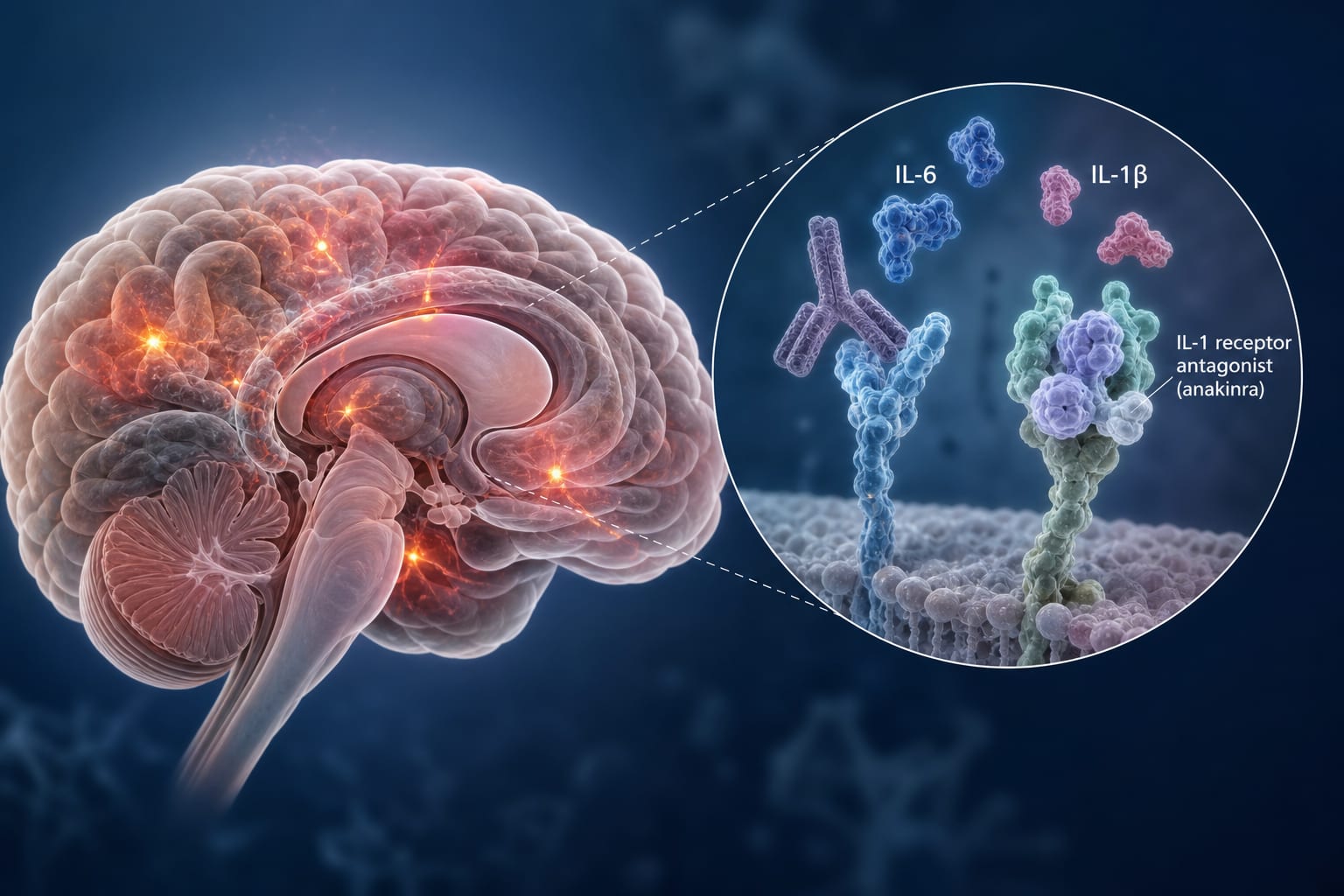
Clinical Scorecard: Neurological Effects Associated with Orthopoxvirus Infections: Insights into Neurotropism and Neurovirulence
At a Glance
Category
Detail
Condition
Neurological syndromes associated with Orthopoxvirus infections including monkeypox virus (MPXV), variola virus (VARV), vaccinia virus (VACV), camelpox virus (CMPX), and cowpox virus (CPXV).
Key Mechanisms
Orthopoxviruses exhibit neurotropism and neurovirulence by infecting the central and peripheral nervous systems, crossing the blood–brain barrier, causing CNS inflammation and damage evidenced by MRI brain hyperintensities and CSF pleocytosis.
Target Population
Humans infected with Orthopoxviruses, including children in endemic regions of Central and West Africa, immunocompromised individuals, and newborn rodents in experimental models.
Care Setting
Infectious disease and neurology clinical settings, especially in regions with mpox outbreaks and in patients presenting with neurological symptoms during Orthopoxvirus infection.
Key Highlights
Orthopoxviruses, including MPXV and VARV, can cause neurological manifestations such as headaches, seizures, altered consciousness, encephalitis, and encephalopathy.
MRI findings in MPXV-infected patients may show brain hyperintensities consistent with edema; CSF pleocytosis indicates active CNS infection.
MPXV has demonstrated the ability to cross the blood–brain barrier in animal models, highlighting its neuroinvasive potential.
Guideline-Based Recommendations
Diagnosis
Consider neurological symptoms such as headache, seizures, and altered consciousness in patients with confirmed or suspected Orthopoxvirus infection.
Use MRI brain imaging to detect CNS involvement, looking for hyperintensities indicative of brain edema.
Perform cerebrospinal fluid analysis to identify pleocytosis suggestive of CNS infection.
Management
Monitor patients with Orthopoxvirus infections closely for neurological complications.
Provide supportive care for neurological symptoms including seizure management and monitoring of consciousness levels.
Consider antiviral therapies and immunomodulatory treatments as per evolving clinical guidelines (not detailed in source).
Monitoring & Follow-up
Regular neurological assessments in patients with Orthopoxvirus infections, especially those with severe or disseminated disease.
Follow-up imaging and CSF studies as clinically indicated to assess progression or resolution of CNS involvement.
Risks
Increased mortality risk associated with severe neurological involvement in Orthopoxvirus infections.
Higher susceptibility in immunocompromised individuals and children in endemic regions.
Potential for long-term neurological sequelae following CNS infection.
Patient & Prescribing Data
Patients infected with Orthopoxviruses, including MPXV, particularly those exhibiting neurological symptoms.
Neurological manifestations require careful clinical evaluation; treatment is primarily supportive with attention to CNS complications. Specific antiviral or immunomodulatory treatments require further evidence.
Clinical Best Practices
Maintain high clinical suspicion for neurological complications in patients with Orthopoxvirus infections.
Utilize neuroimaging and CSF analysis to confirm CNS involvement.
Provide multidisciplinary care involving infectious disease and neurology specialists.
Educate healthcare providers in endemic and outbreak regions about the neurotropic potential of Orthopoxviruses.