Eyelash Extensions Linked to Demodex Folliculorum
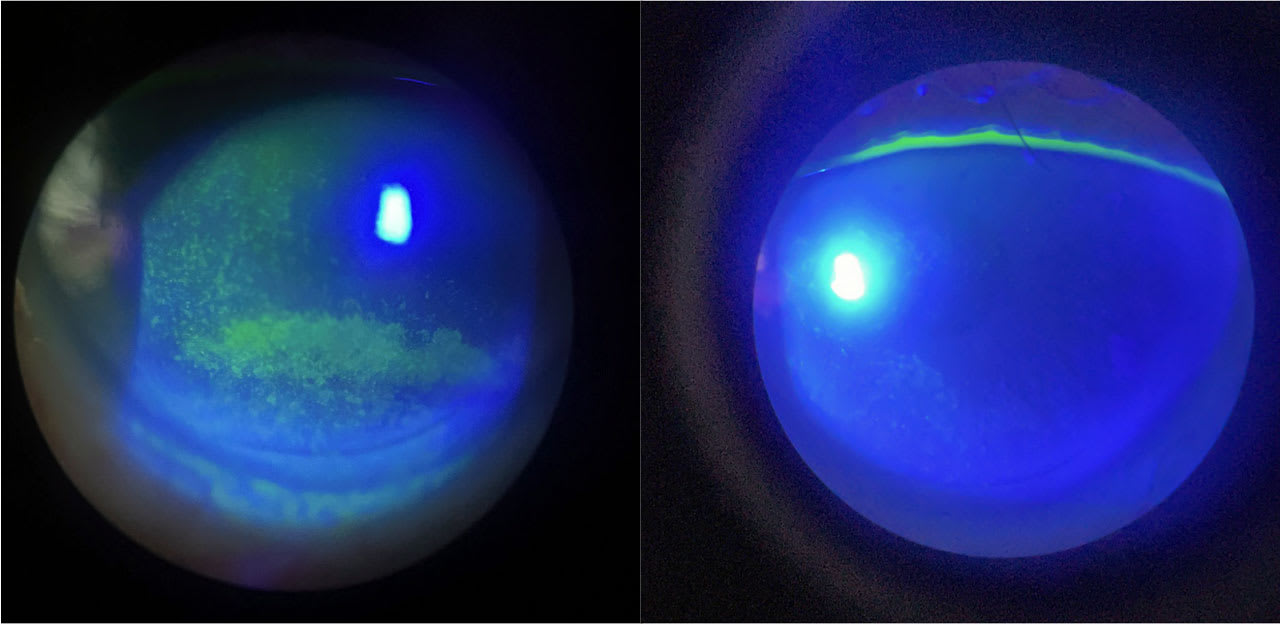
Study among young women who regularly have eyelash extensions found that most have Demodex folliculorum.
Clinical Scorecard: Study: Eyelash Extensions Linked to Demodex Folliculorum
At a Glance
| Category | Detail |
|---|
| Condition | Demodicosis |
| Key Mechanisms | Presence of Demodex folliculorum mites causing skin irritation and meibomian gland dysfunction. |
| Target Population | Young women aged 16-28 who regularly have eyelash extensions. |
| Care Setting | Ophthalmology and aesthetic beauty services. |
Key Highlights
- Most women with eyelash extensions had Demodex folliculorum mites.
- Symptoms included discomfort, redness, tearing, and itching.
- 85% of women with frequent eyelash extensions showed signs of meibomian gland dysfunction.
- Proper eyelid hygiene is emphasized for those using eyelash extensions.
- Antiparasitic treatment may be considered for confirmed Demodex infestation.
Guideline-Based Recommendations
Diagnosis
- Consider demodectic blepharitis in patients with chronic eyelid irritation, especially those using eyelash extensions.
Management
- Use preservative-free, hypoallergenic gel for eyelid hygiene twice daily.
Monitoring & Follow-up
- Assess symptoms of irritation and meibomian gland function in patients with eyelash extensions.
Risks
- Potential ocular health risks associated with repeated eyelash extension procedures.
Patient & Prescribing Data
Young women aged 16-28 with a history of eyelash extensions.
Emphasize eyelid hygiene and monitor for symptoms of mite infestation.
Clinical Best Practices
- Educate clients on the importance of eyelid hygiene.
- Monitor for signs of inflammation and meibomian gland dysfunction.
- Consider antiparasitic treatment for symptomatic patients.
Related Resources & Content