Clinical Scorecard: Differential Transcriptomic Responses in Chromatin and Cell Cycle Regulation of A549 Cells Following Carbon Ion and X-ray Irradiation
At a Glance
Category
Detail
Condition
Non-small cell lung cancer
Key Mechanisms
Transcriptional response to high-linear energy transfer (LET) radiation versus low-LET X-rays, including DNA damage response and chromatin regulation.
Target Population
Patients with non-small cell lung cancer undergoing radiotherapy.
Care Setting
Oncology and radiotherapy
Key Highlights
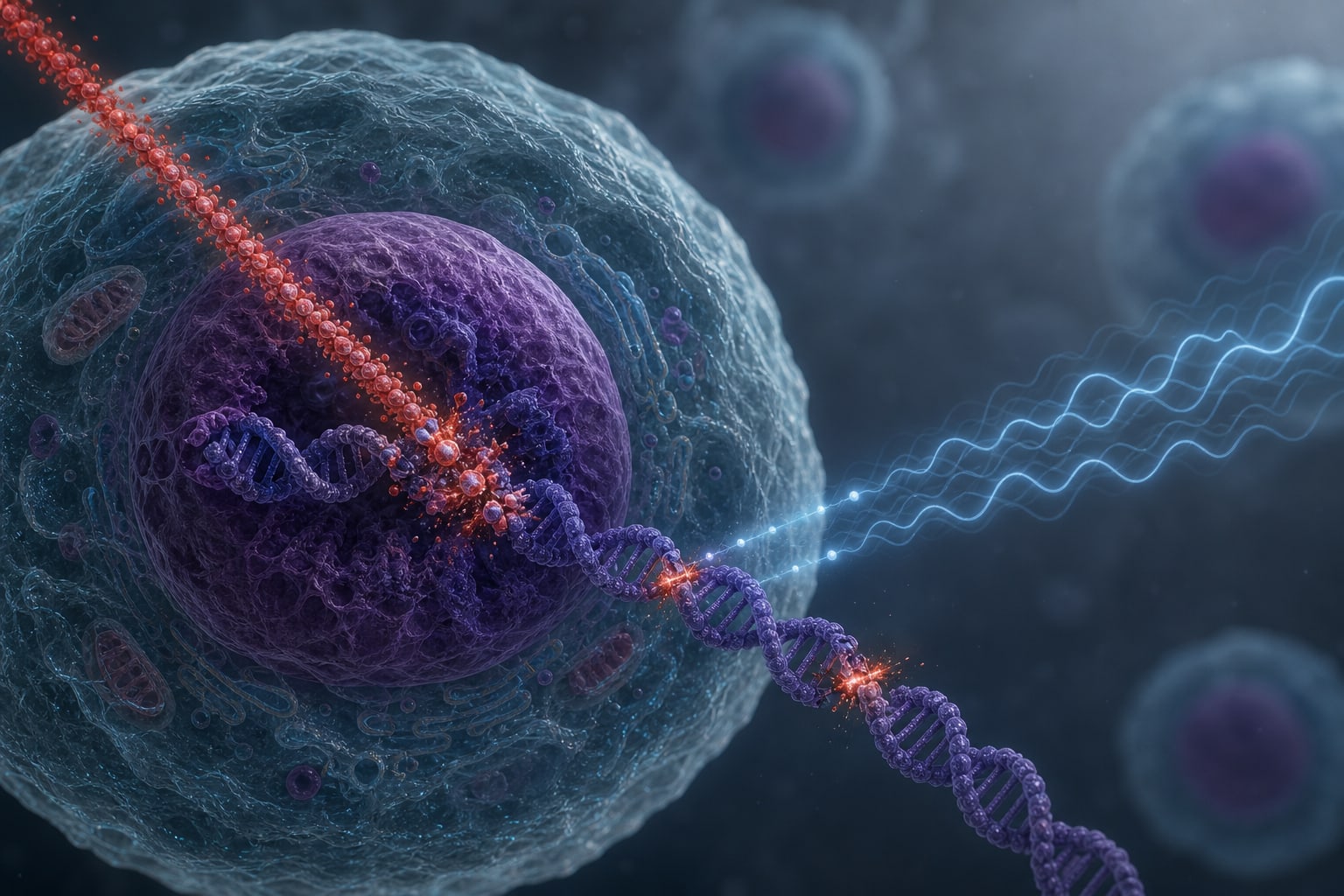
High-LET carbon ion irradiation induces a distinct transcriptional program compared to low-LET X-rays.
Carbon ions suppress mitotic regulators and engage stress-associated signaling pathways.
Transcriptional changes include downregulation of core and linker histone genes.
Guideline-Based Recommendations
Diagnosis
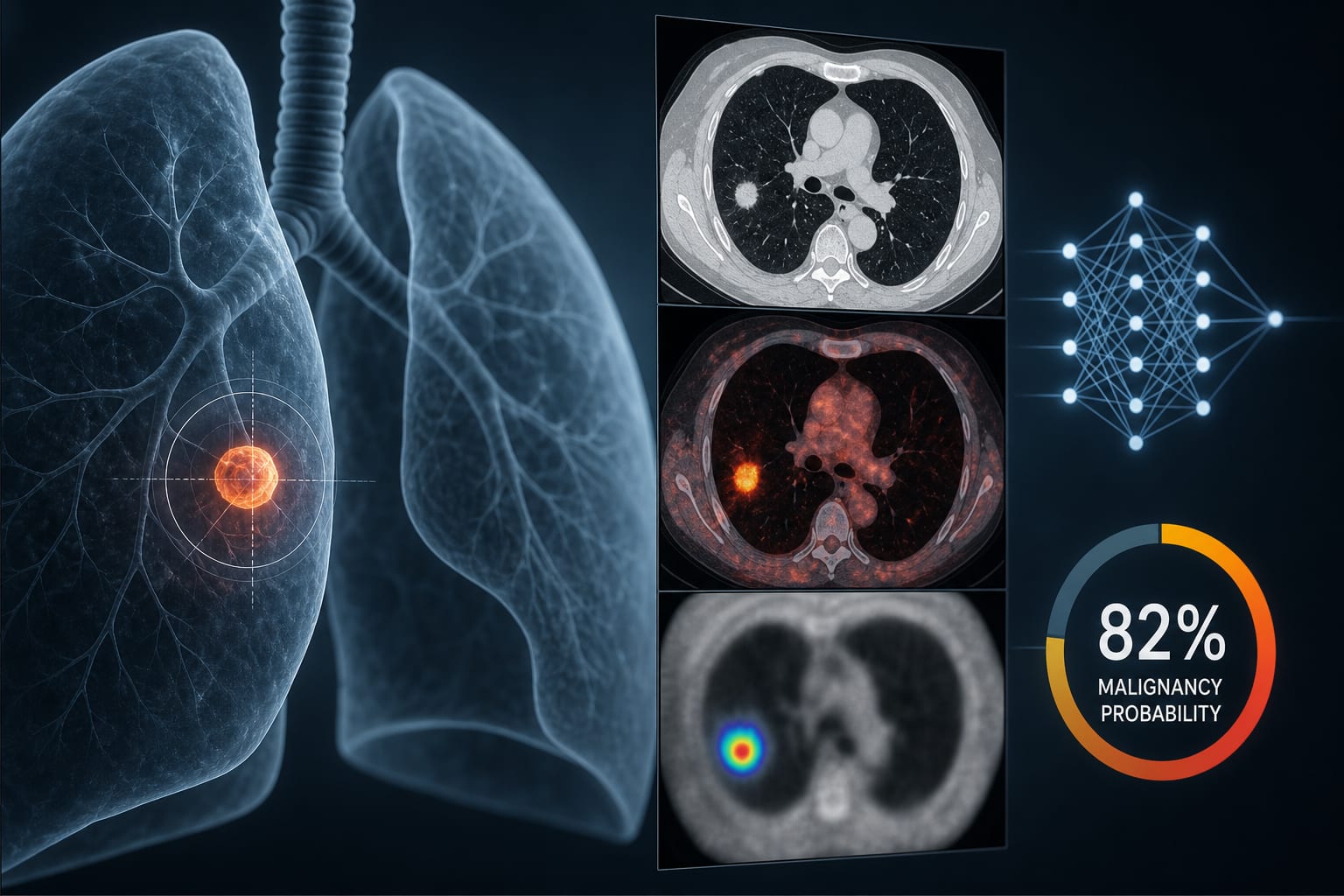
Consider transcriptomic profiling for understanding radiation responses in lung cancer.
Management
Utilize high-LET radiation for enhanced biological effectiveness in treating non-small cell lung cancer.
Monitoring & Follow-up
Monitor gene expression changes post-irradiation to assess treatment response.
Risks
Be aware of potential radioresistance and dose-limiting toxicity in surrounding normal tissues.
Patient & Prescribing Data
Patients with non-small cell lung cancer receiving radiotherapy.
High-LET radiation may provide superior tumor control compared to conventional therapies.
Clinical Best Practices
Integrate systemic therapies with radiotherapy to enhance treatment outcomes.
Optimize dose delivery through altered fractionation and functional imaging.