Six-session non-operative exercise program yields sustained benefits for up to 18 months in end-stage knee osteoarthritis: a retrospective cohort study - Scorecard - MDSpire

Six-session non-operative exercise program yields sustained benefits for up to 18 months in end-stage knee osteoarthritis: a retrospective cohort study

  • By

  • Wing Yip Lee

  • Linda Man Kuen Li

  • Naomi Cheuk Ying Chen

  • Chloe Sze Man Leung

  • Alan Yin Chung Tsui

  • Xueyou Zhang

  • Mingde Cao

  • Patrick Shu-Hang Yung

  • Michael Tim-Yun Ong

  • June 27, 2026

  • 0 min

Share

Clinical Scorecard: A six-session non-surgical exercise regimen provides lasting improvements for up to 18 months in patients with advanced knee osteoarthritis: findings from a retrospective cohort analysis

At a Glance

CategoryDetail
ConditionKnee Osteoarthritis
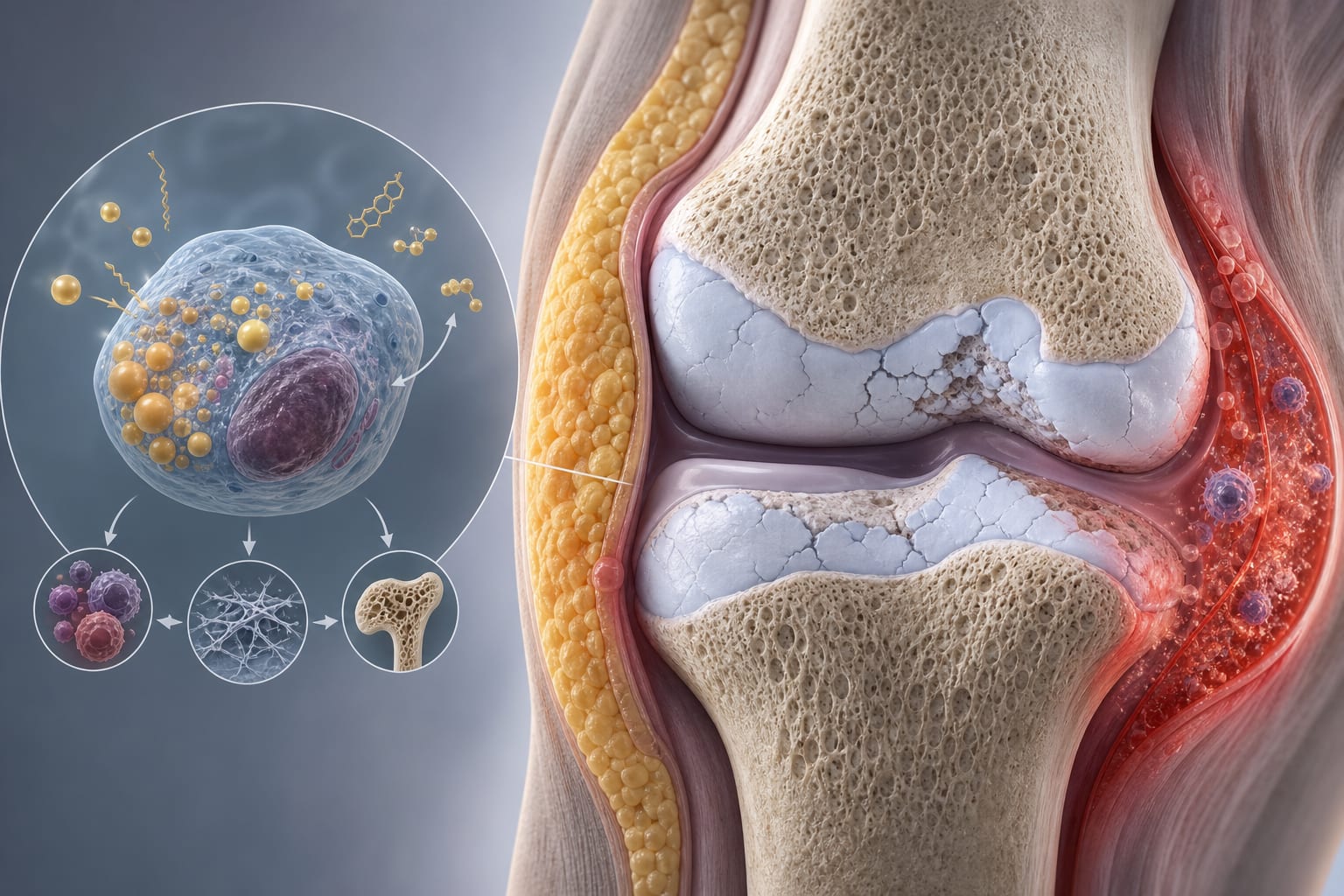
Key MechanismsLoss of articular cartilage and hyperplasia of bone.
Target PopulationPatients with end-stage knee osteoarthritis awaiting total knee replacement.
Care SettingPublic hospitals in Hong Kong.

Key Highlights

  • Knee osteoarthritis affects an estimated 528 million people worldwide.
  • First-line treatment emphasizes lifestyle management, particularly exercise therapy.
  • Structured Non-Operative Treatment Program (SNTP) showed long-term improvements in function and symptoms.
  • Exercise interventions can delay the need for surgical intervention.
  • Patients with end-stage knee OA showed significant improvements after a six-session program.

Guideline-Based Recommendations

Diagnosis

  • Clinically diagnosed with end-stage knee OA according to EULAR criteria.

Management

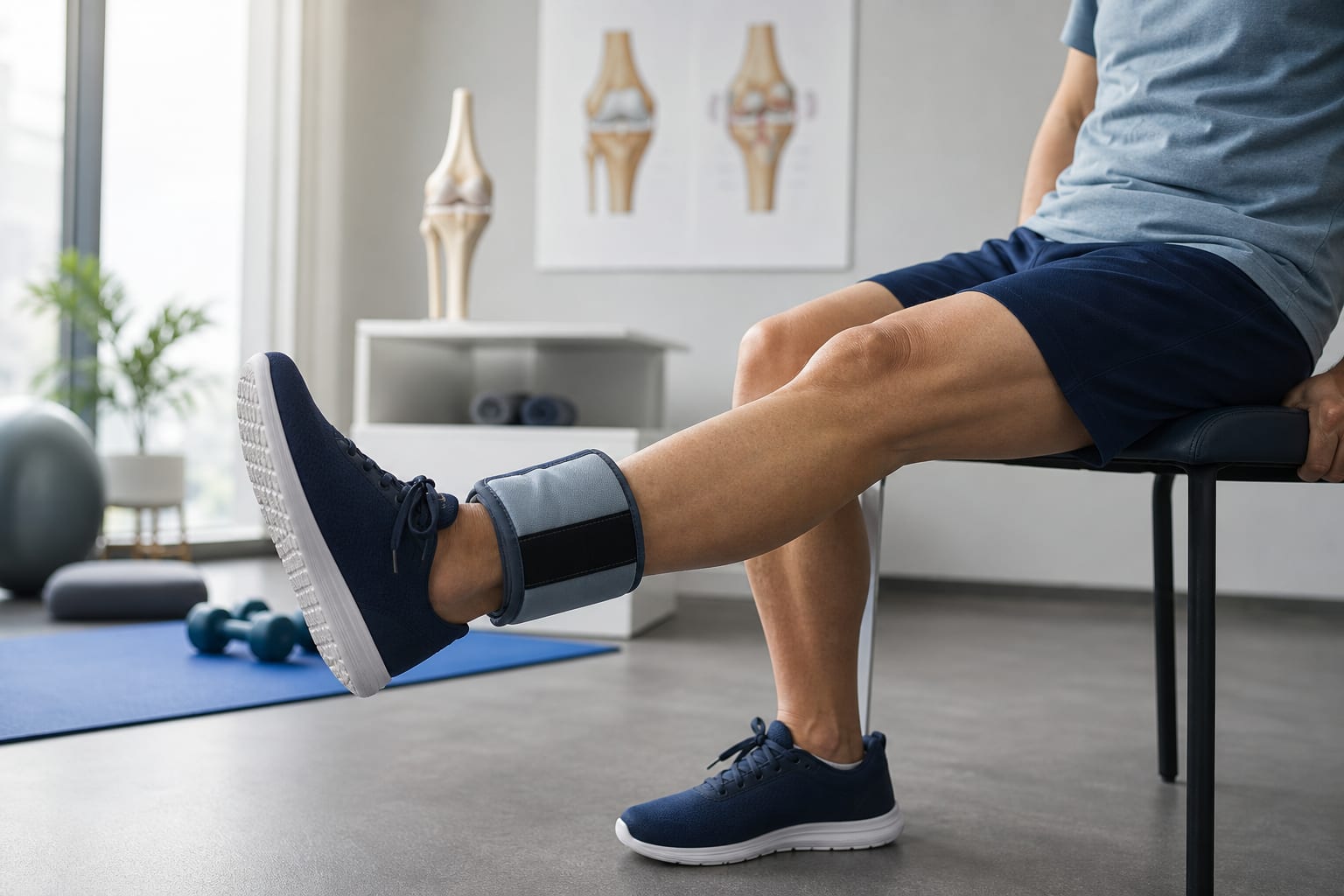
  • First-line treatment includes lifestyle management and exercise therapy.

Monitoring & Follow-up

  • Longitudinal assessments conducted at one-year post-intervention and six-month intervals.

Risks

  • Pharmacological treatments like NSAIDs can lead to renal failure and gastrointestinal bleeding.

Patient & Prescribing Data

End-stage knee OA patients potentially eligible for TKR.

Exercise therapy combined with education can improve functional outcomes and reduce symptoms.

Clinical Best Practices

  • Incorporate aerobic training, resistance exercise, and neuromuscular training in treatment plans.
  • Provide structured patient education to enhance adherence to exercise regimens.
  • Regularly assess functional and symptomatic outcomes in patients.

Related Resources & Content

Original Source(s)

Related Content