Clinical Scorecard: Single-cell RNA sequencing reveals clonal dynamics and biomarkers of treatment resistance in relapsed and refractory peripheral T-cell lymphoma
At a Glance
Category
Detail
Condition
Relapsed and refractory peripheral T-cell lymphoma (R/R PTCL)
Key Mechanisms
Molecular and cellular mechanisms of treatment resistance, including epigenetic dysregulation and immune evasion.
Target Population
Patients with relapsed or refractory peripheral T-cell lymphoma.
Care Setting
Oncology clinical research and treatment settings.
Key Highlights
Approximately 30% of PTCL patients develop relapsed or refractory disease.
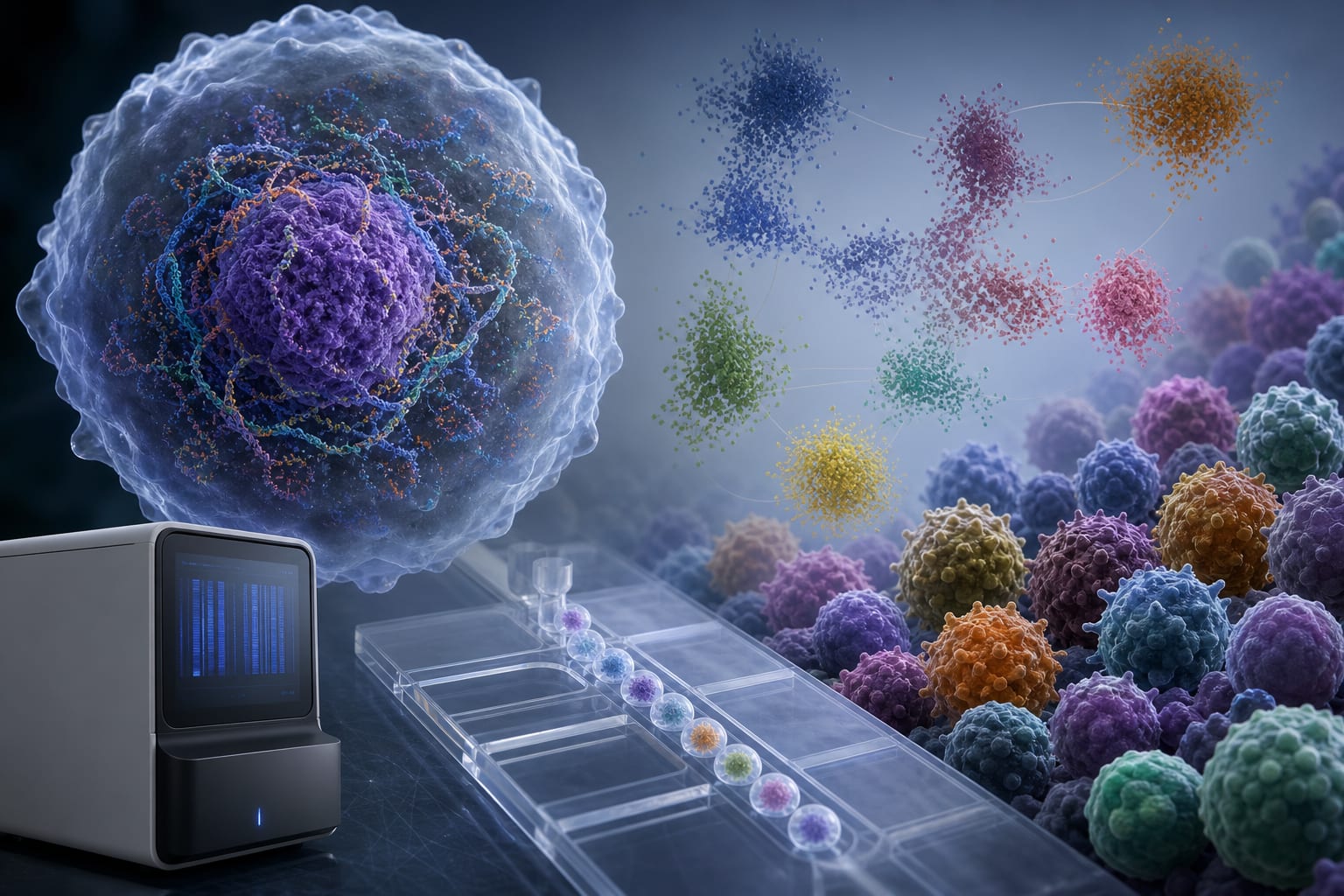
Single-cell RNA sequencing identified significant gene upregulation related to proliferation and immune modulation.
Specific ligand-receptor interactions may facilitate immune evasion in R/R PTCL.
Longitudinal analysis revealed downregulation of immune response-related genes post-treatment.
Potential therapeutic resistance biomarkers were identified in R/R PTCL.
Guideline-Based Recommendations
Diagnosis
Pathological diagnosis should be reconfirmed by pathologists.
Management
Consider dual epigenetic therapies for patients with R/R PTCL.
Monitoring & Follow-up
Monitor gene expression changes in response to treatment.
Risks
Risk of disease progression despite treatment.
Patient & Prescribing Data
Patients diagnosed with R/R PTCL, including subtypes such as PTCL-NOS and AITL.
Combination therapies involving histone deacetylase inhibitors and DNA methyltransferase inhibitors show promise.
Clinical Best Practices
Utilize single-cell sequencing to characterize tumor heterogeneity.
Identify and monitor biomarkers associated with treatment resistance.