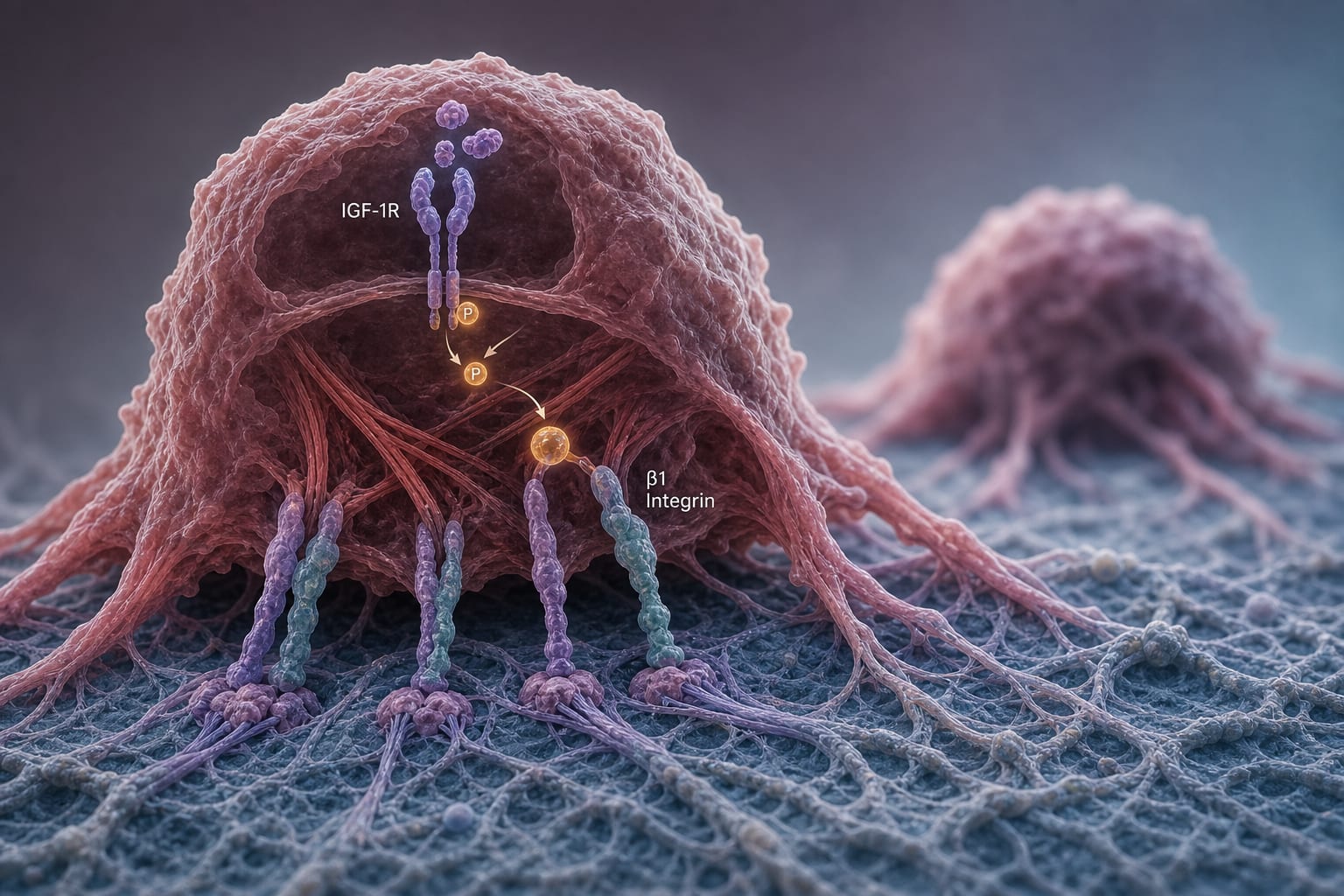
Impact of Hormone Replacement Therapy on Breast Cancer Risk Following Oophorectomy in Women with BRCA Pathogenic Variants
-
By
-
Shira Regev-Sadeh
-
Rachel Michaelson-Cohen
-
Dana Madorksy-Feldman
-
Eitan Friedman
-
Shunit Armon
-
Amalfi Qarawani
-
Naama Srebnik
-
Joul Haddad
-
Vered H. Eisenberg
-
Yakir Segev
-
April 8, 2026
-
Clinical Scorecard: Impact of Hormone Replacement Therapy on Breast Cancer Risk Following Oophorectomy in Women with BRCA Pathogenic Variants
At a Glance
| Category | Detail |
|---|
| Condition | |
| Key Mechanisms | |
| Target Population | |
| Care Setting | Multicenter cohort study across high-risk clinics in Israel, including CHS, Shaare Zedek, and Sheba. |
Key Highlights
- Progestin-containing HRT regimens are linked to higher breast cancer risk; specify the context of this risk.
Guideline-Based Recommendations
Diagnosis
Management
Monitoring & Follow-up
- Conduct semiannual surveillance for breast cancer in high-risk clinics.
- Monitor for potential side effects of HRT, including cardiovascular and thromboembolic events.
Risks
Patient & Prescribing Data
Cumulative duration and formulation of HRT should be carefully documented and assessed; consider contraindications.
Clinical Best Practices
- Utilize electronic health records for comprehensive tracking of HRT use.
- Engage in shared decision-making regarding HRT initiation and management, including patient education on risks and benefits.
References