ESR Essentials: trauma team and the role of Interventional Radiology—practice recommendations by the Cardiovascular and Interventional Radiological Society of Europe - Scorecard - MDSpire
Conexiant’s news site is now MDSpire News. Learn more
Advertisement
Essential Insights on Trauma Teams and the Contribution of Interventional Radiology: Guidelines from the Cardiovascular and Interventional Radiological Society of Europe
Clinical Scorecard: Essential Insights on Trauma Teams and the Contribution of Interventional Radiology: Guidelines from the Cardiovascular and Interventional Radiological Society of Europe
At a Glance
Category
Detail
Condition
Traumatic hemorrhage and solid organ injuries
Key Mechanisms
Minimally invasive, image-guided endovascular interventions for hemorrhage control
Target Population
Trauma patients, especially those with non-compressible bleeding and solid organ trauma
Care Setting
Level I, II, and III trauma centers with multidisciplinary trauma teams
Key Highlights
Interventional Radiologists should be integrated into trauma teams with 24/7 availability in Level I centers and structured access in Level II–III centers.
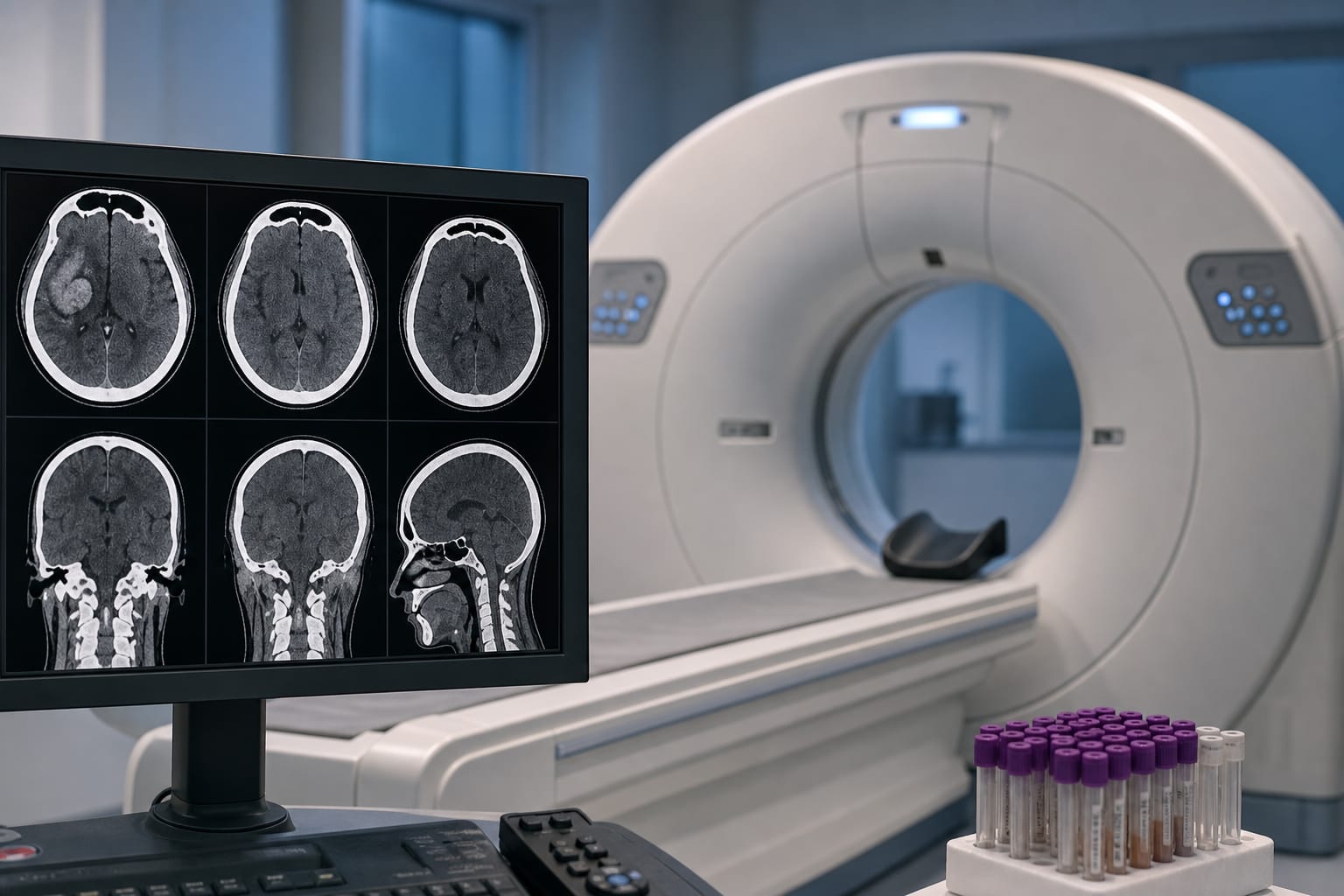
Whole-body contrast-enhanced CT is recommended in stable or stabilizable trauma patients to guide timely IR interventions.
Standardized embolization protocols and rapid access to embolic materials and REBOA are essential for effective trauma IR management.
Guideline-Based Recommendations
Diagnosis
Perform whole-body contrast-enhanced CT with plain, arterial, and portal venous phases in stable or stabilizable trauma patients.
Use imaging findings such as active arterial extravasation or pseudoaneurysm to guide prompt embolization.
Employ FAST ultrasound and conventional radiography as adjuncts, but prioritize multislice CT for polytrauma evaluation.
Management
Integrate Interventional Radiologists into trauma team activation and decision-making processes.
Ensure 24/7 IR availability in Level I centers; establish structured IR access or transfer protocols in Level II and III centers.
Locate angiosuites near trauma bays to minimize treatment delays.
Standardize embolization protocols and maintain rapid access to coils, plugs, liquid agents, stent-grafts, and REBOA devices.
Provide IR-specific trauma training and dedicated equipment kits.
Monitoring & Follow-up
Implement multidisciplinary trauma team collaboration including emergency physicians, diagnostic and interventional radiologists, surgeons, anesthesiologists, and intensive care specialists.
Use hybrid emergency rooms to facilitate seamless CT-to-IR workflows and continuous patient monitoring.
Risks
Delays in IR activation or lack of 24/7 IR availability can increase mortality from uncontrolled hemorrhage.
Inadequate embolization protocols or material availability may compromise hemorrhage control and organ preservation.
Insufficient trauma team coordination can lead to suboptimal patient outcomes.
Patient & Prescribing Data
Trauma patients with non-compressible bleeding and solid organ injuries requiring minimally invasive hemorrhage control
Early IR involvement and prompt embolization guided by contrast-enhanced CT improve hemorrhage control and reduce need for open surgery.
Clinical Best Practices
Ensure 24/7 availability of Interventional Radiology in Level I trauma centers and structured access in Level II–III centers.
Perform whole-body contrast-enhanced CT promptly in stable or stabilizable trauma patients to identify bleeding sources.
Develop and implement standardized embolization protocols with ready access to a full range of embolic materials and REBOA.
Locate angiosuites adjacent to trauma bays to reduce treatment delays.
Foster multidisciplinary trauma teams including IR, surgery, emergency medicine, anesthesiology, and intensive care.
Utilize hybrid emergency rooms to integrate imaging, intervention, and surgery in a single resuscitation space.
Provide ongoing IR-specific trauma training and maintain dedicated trauma IR equipment kits.