Hemodynamic Instability in Intubation May Be Predictable
Narrative review describes how physiologic stressors accumulate from induction through postintubation care and may contribute to cardiovascular deterioration during airway management.
By
Andrea Surnit
July 2, 2026
Clinical Scorecard: Hemodynamic Instability in Intubation May Be Predictable
At a Glance
Category Detail
Condition Hemodynamic instability during tracheal intubation Key Mechanisms Physiologic events from pre-induction adrenergic surge through induction, apnea, and postintubation care. Target Population Patients with critical illness in the intensive care unit (ICU). Care Setting Intensive care unit (ICU)
Key Highlights
Cardiovascular instability complicates nearly 50% of ICU intubations. Hypotension is the most common peri-intubation complication. Propofol is associated with hypotension; ketamine and etomidate show greater hemodynamic tolerance. Positive-pressure ventilation can worsen hemodynamic status. Noninvasive ventilation reduces hypoxemia compared to high-flow nasal cannula. Guideline-Based Recommendations
Diagnosis
Assess hemodynamic status prior to intubation. Management
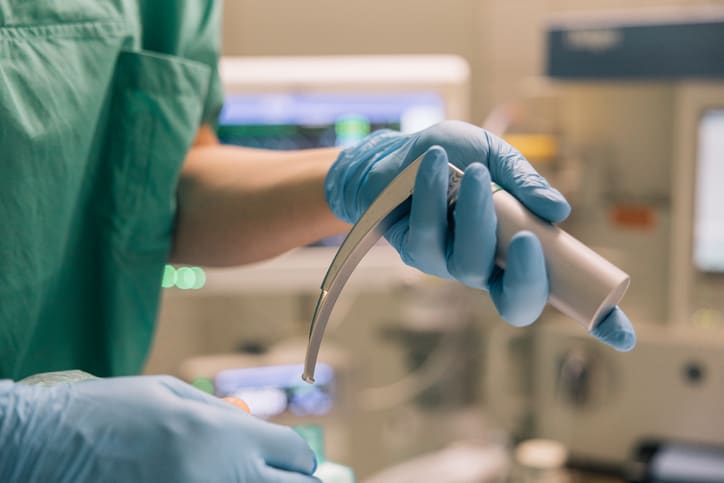
Consider videolaryngoscopy as a first-line approach. Individualized assessment of fluid responsiveness and tolerance is recommended. Monitoring & Follow-up
Monitor for signs of cardiovascular instability during and after intubation. Risks
Increased risk of cardiovascular collapse with certain induction agents. Patient & Prescribing Data
Patients with critical illness undergoing intubation in the ICU.
Preemptive vasopressor therapy is under investigation but lacks robust evidence.
Clinical Best Practices
Cautiously titrate positive end-expiratory pressure during initial ventilator management. Related Resources & Content