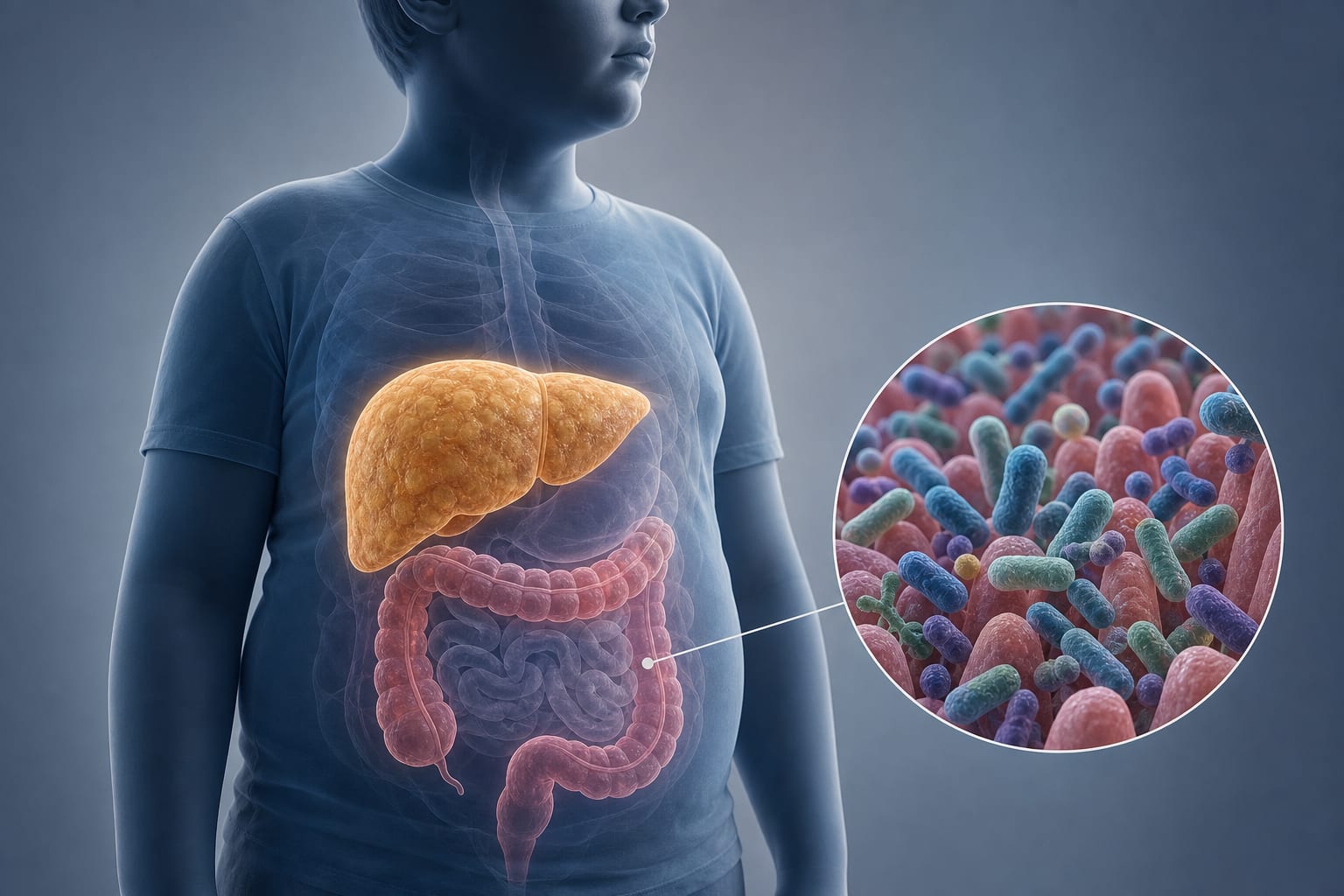
Gut microbiota and pediatric metabolic dysfunction–associated steatotic liver disease: clinical evidence and therapeutic implications
Clinical Scorecard: The Role of Gut Microbiota in Pediatric Metabolic Dysfunction-Related Steatotic Liver Disease: Clinical Insights and Treatment Considerations
At a Glance
Category Detail
Condition Metabolic dysfunction-associated steatotic liver disease (MASLD) Key Mechanisms Association with obesity, Type 2 diabetes, and gut microbiota Target Population Pediatric population (birth to 18 years) Care Setting Clinical and community settings
Key Highlights
MASLD prevalence in the general pediatric population is approximately 14%, rising to 38% among obese children. Obesity is a significant risk factor, but MASLD can also occur in non-obese individuals. Familial clustering suggests genetic factors may play a role in MASLD. Dietary habits influence gut microbiota composition, impacting MASLD progression. The total burden of MASLD is projected to reach nearly 460 million cases by 2030. Guideline-Based Recommendations
Diagnosis
Diagnosis based on imaging techniques or histology showing liver steatosis in the absence of significant alcohol consumption. Management
Focus on lifestyle modifications, including diet and physical activity, particularly in obese children. Monitoring & Follow-up
Regular assessment of liver function and metabolic parameters in at-risk pediatric populations. Risks
Increased risk of obesity, diabetes, hypertension, and progression to severe liver disease. Patient & Prescribing Data
Children and adolescents with metabolic dysfunction and obesity.
Early identification and targeted therapeutic interventions are crucial.
Clinical Best Practices
Implement comprehensive prevention programs targeting diet and lifestyle in pediatric populations. Encourage regular screening for MASLD in overweight and obese children. Consider genetic and ethnic factors when assessing risk for MASLD. Related Resources & Content