Clinical Scorecard: Long-Term Lipid Profile Alterations Following Roux-en-Y Gastric Bypass: Findings from a Prospective Observational Study
At a Glance
Category
Detail
Condition
Dyslipidemia associated with obesity and cardiovascular disease risk
Key Mechanisms
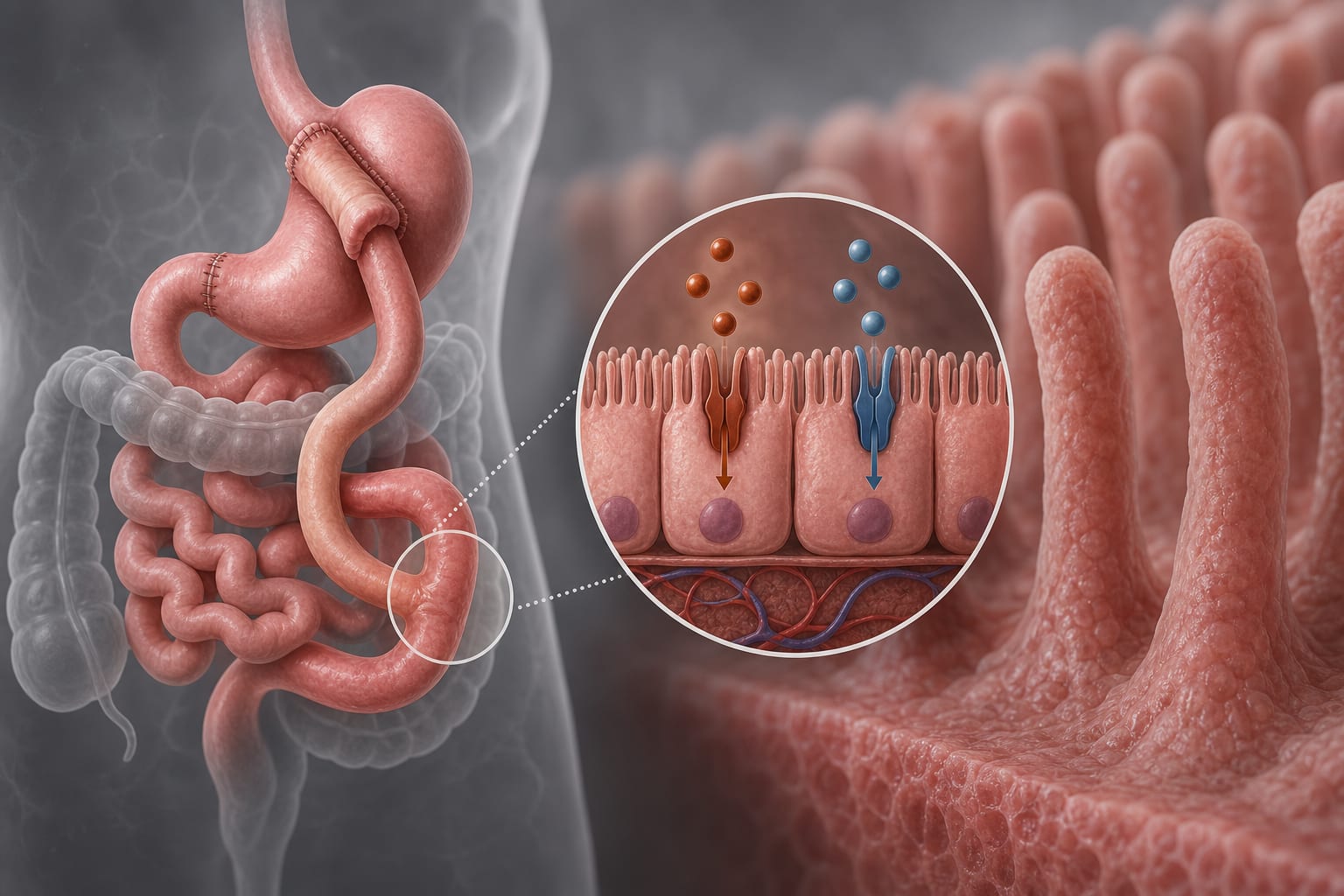
Roux-en-Y gastric bypass (RYGB) surgery induces sustained improvements in lipid profile including reductions in LDL and total cholesterol, and increases in HDL
Target Population
Adults aged 18-60 years with BMI > 40 kg/m2 or BMI > 35 kg/m2 with obesity-related comorbidities undergoing RYGB
Care Setting
Bariatric surgery centers with long-term follow-up (>10 years) in clinical observational studies
Key Highlights
RYGB leads to significant and sustained improvements in lipid profiles over 10 years post-surgery.
Improvement in lipid parameters correlates with degree of weight loss (%TWL and %EBMIL).
Lipid changes peak within 1–3 years postoperatively and remain improved compared to baseline at 10 years.
Guideline-Based Recommendations
Diagnosis
Use fasting lipid panel including total cholesterol, LDL, HDL, and triglycerides for assessment.
Calculate LDL using Friedewald formula unless triglycerides > 4.5 mmol/L.
Apply European Society of Cardiology (ESC) LDL target < 2.6 mmol/L for healthy individuals.
Use Norwegian guidelines for triglycerides < 1.7 mmol/L and HDL > 1.0 mmol/L (men) or > 1.2 mmol/L (women).
Management
Consider RYGB surgery for patients with BMI > 40 or > 35 with obesity-related illness to improve dyslipidemia and reduce cardiovascular risk.
Pharmacological treatment for hyperlipidemia may continue postoperatively as needed.
Monitor and support sustained weight loss to maximize lipid profile improvements.
Monitoring & Follow-up
Perform lipid profile assessments at baseline, 1–2 years, 5 years, and 10 years post-RYGB.
Monitor weight, BMI, and percent total weight loss (%TWL) alongside lipid parameters.
Use risk calculators such as NORRISK2 for cardiovascular risk assessment in patients > 45 years.
Risks
Potential attenuation of lipid improvements beyond 3 years post-surgery, though levels remain improved at 10 years.
Variability in lipid measurement methods may affect longitudinal comparisons.
Patients with triglycerides > 4.5 mmol/L require alternative LDL assessment methods.
Patient & Prescribing Data
Patients undergoing RYGB with baseline BMI > 35 and obesity-related comorbidities
Pharmaceutical treatment for hyperlipidemia remained stable from baseline to 10 years post-surgery, indicating sustained lipid improvements are primarily surgery-related.
Clinical Best Practices
Ensure comprehensive baseline and long-term lipid profiling in bariatric surgery patients.
Correlate lipid changes with weight loss metrics to guide postoperative management.
Adhere to established lipid targets per ESC and national guidelines for cardiovascular risk reduction.
Maintain multidisciplinary follow-up including biochemical assessments and cardiovascular risk evaluation.