Avoiding Breakthrough Pain Following Dental Implant Surgery
-
By
-
Elliot V. Hersh
-
Paul A. Moore
-
Katherine N Theken
-
September 1, 2026
-
Clinical Scorecard: Avoiding Breakthrough Pain Following Dental Implant Surgery
At a Glance
| Category | Detail |
|---|
| Condition | Post-surgical pain following dental implant surgery |
| Key Mechanisms | Inflammation-driven pain management using NSAIDs |
| Target Population | Dental implant patients, generally older with comorbidities |
| Care Setting | Dental surgical settings |
Key Highlights
- NSAIDs like ibuprofen and naproxen are effective for managing post-surgical pain.
- Patients should receive NSAIDs immediately after surgery and continue for 2-3 days.
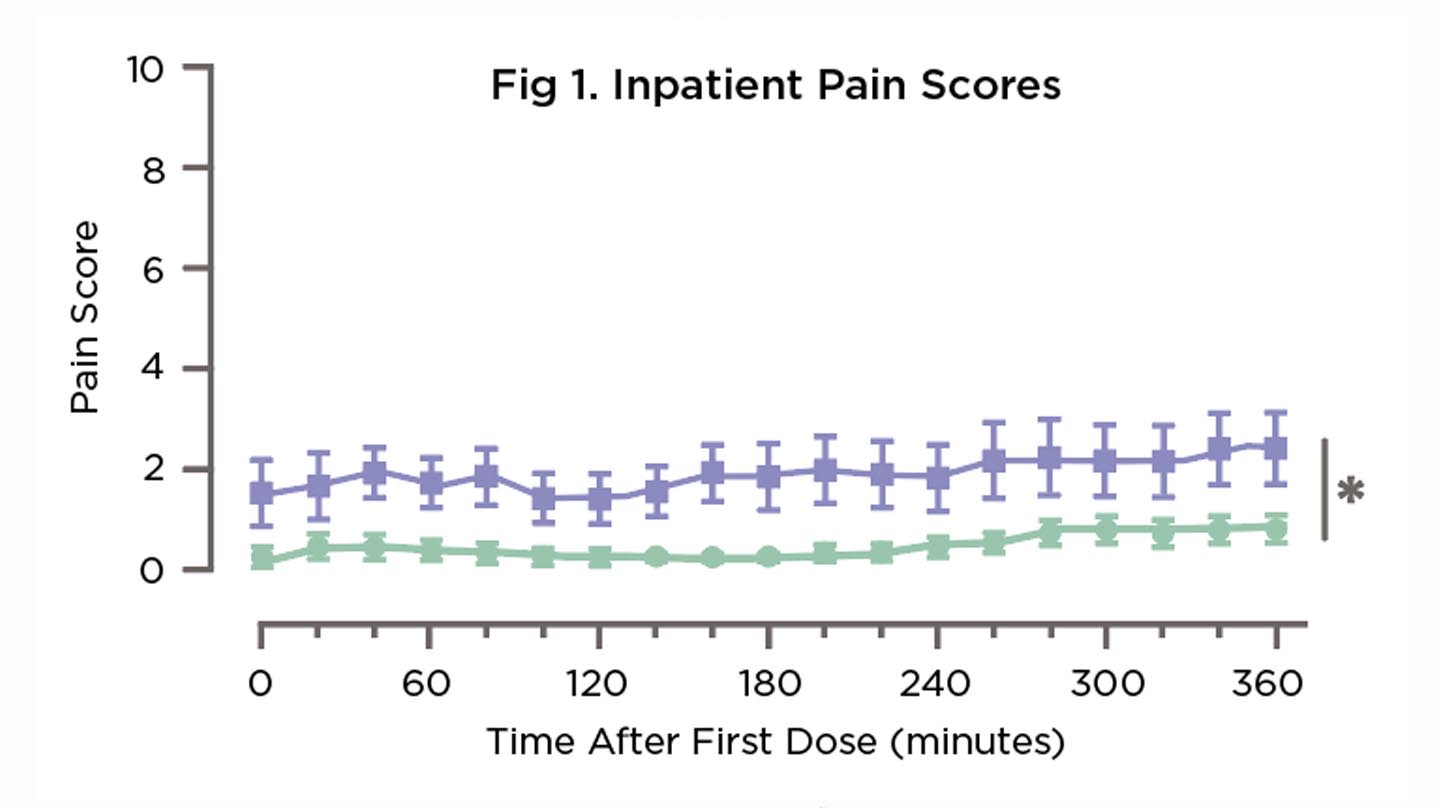
- Dental implant patients experience milder pain compared to those undergoing third molar surgery.
- NSAIDs are generally well tolerated but have risks, especially in older patients.
- Acetaminophen can be used as an alternative when NSAIDs are contraindicated.
Guideline-Based Recommendations
Diagnosis
- Post-surgical pain should be assessed in dental implant patients.
Management
- Prescribe NSAIDs as first-line therapy for acute dental pain unless contraindicated.
Monitoring & Follow-up
- Monitor for adverse effects, especially in older patients with comorbidities.
Risks
- NSAIDs may cause gastrointestinal, renal, and cardiovascular adverse effects.
Patient & Prescribing Data
Older patients with potential comorbidities and concomitant medications.
Low OTC doses of NSAIDs are effective for pain management post-surgery.
Clinical Best Practices
- Administer NSAIDs before local anesthesia wears off.
- Use around-the-clock dosing for optimal pain control.
- Evaluate patient-specific safety considerations before prescribing NSAIDs.
Related Resources & Content