Clinical and genetic analysis of pediatric catecholaminergic polymorphic ventricular tachycardia: focus on sinus bradycardia and neurodevelopmental disorders - Scorecard - MDSpire
Advertisement
Clinical and genetic analysis of pediatric catecholaminergic polymorphic ventricular tachycardia: focus on sinus bradycardia and neurodevelopmental disorders
Clinical Scorecard: Genetic and Clinical Insights into Pediatric Catecholaminergic Polymorphic Ventricular Tachycardia: Emphasis on Sinus Bradycardia and Neurodevelopmental Disorders
At a Glance
Category
Detail
Condition
Key Mechanisms
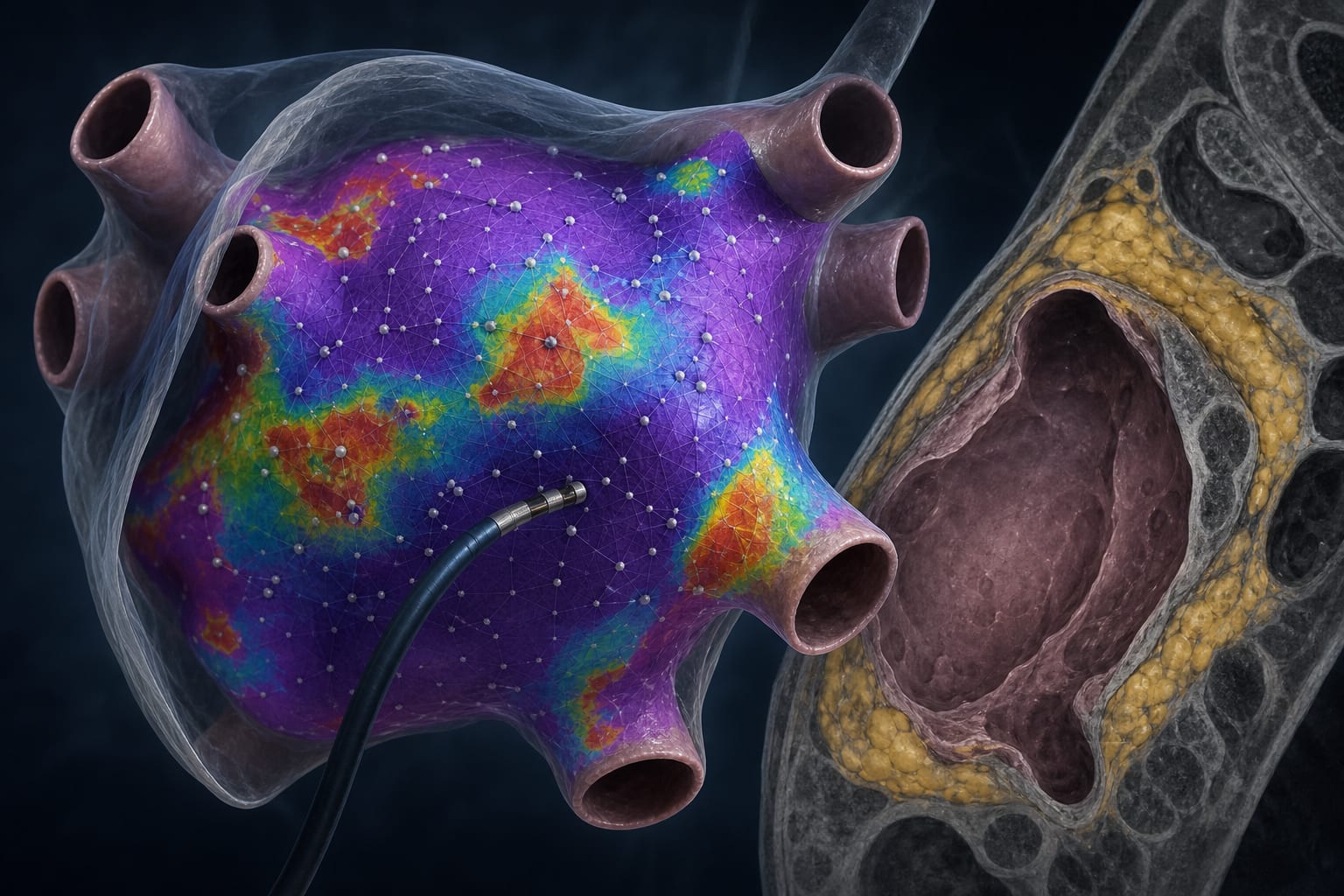
Impaired intracellular calcium handling due to genetic variants in RYR2, CASQ2, CALM2, TECRL, and others.
Target Population
Care Setting
Key Highlights
CPVT is a hereditary arrhythmia with high mortality risk, particularly in untreated patients.
Median age of onset for CPVT is 7.7 years, with significant diagnostic delays.
Sinus bradycardia complicates management and may necessitate device therapy.
Two novel variants in RYR2 were identified in the study.
Neurodevelopmental disorders are associated with a high-risk subgroup requiring aggressive management.
Diagnosis of CPVT is based on exercise- or adrenaline-induced arrhythmias and genetic testing.
Guideline-Based Recommendations
Diagnosis
Management
Patients with sinus bradycardia may require an implantable cardioverter-defibrillator (ICD) for safe pharmacologic management.
Consideration of neurodevelopmental disorders in management strategies.
Monitoring & Follow-up
Risks
Patient & Prescribing Data
Children diagnosed with CPVT, particularly those with comorbid conditions such as neurodevelopmental disorders.
Clinical Best Practices
Enhance awareness of CPVT presentations, especially sinus bradycardia and neurodevelopmental disorders.
Personalized risk stratification is essential for optimizing outcomes, including tailored management plans based on individual patient profiles.