Contact Lenses: Stand Out With Specialty Lenses
At Infinity Eye Care, the decision to focus on specialty lenses wasn’t just about expanding services—it was about defining our clinical identity.
By
Ryan McKinnis, OD, FAAO
January 1, 2026
Clinical Scorecard: Contact Lenses: Stand Out With Specialty Lenses
At a Glance
Category Detail
Condition Irregular corneas and dry eye disease Key Mechanisms Utilization of specialty contact lenses to improve visual outcomes and manage ocular surface diseases. Target Population Patients with keratoconus, postsurgical corneal irregularities, and dry eye disease. Care Setting Private optometric practice
Key Highlights
Specialty contact lenses drive referrals from neighboring optometrists and ophthalmologists. Initial equipment investments include corneal topographer and dry eye diagnostic tools. Building relationships with specialty CL manufacturers is crucial for practice growth. Staff training is essential for maximizing clinical workflow and patient education. Emphasis on customized care defines clinical identity and supports sustainable growth. Guideline-Based Recommendations
Diagnosis
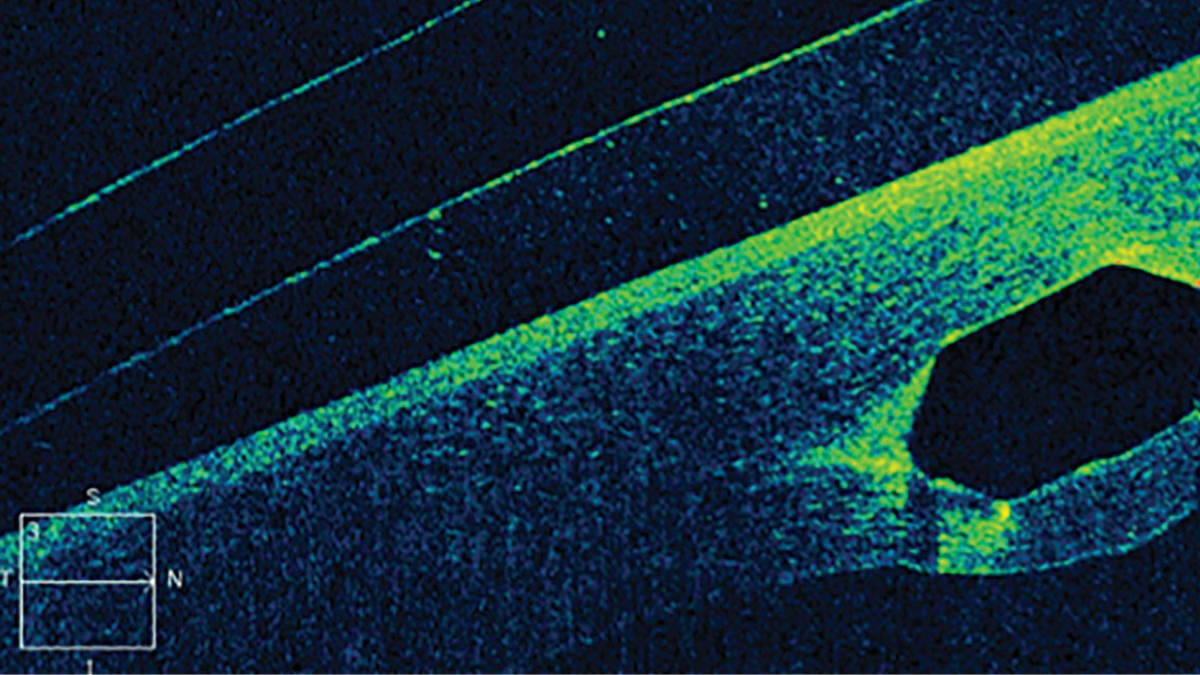
Utilize corneal topography and anterior segment imaging for accurate assessment. Management
Fit scleral contact lenses for patients with irregular corneas and dry eye disease. Monitoring & Follow-up
Schedule follow-up visits to assess lens fit and ocular health. Risks
Consider potential complications associated with specialty lens fitting. Patient & Prescribing Data
Patients experiencing irregular corneas and ocular surface diseases.
Specialty lenses can significantly improve visual outcomes and patient satisfaction.
Clinical Best Practices
Prioritize low-cost diagnostic tools that support multiple services. Engage staff in the fitting process and patient education. Establish early relationships with lens manufacturers for training and support. Related Resources & Content