The gut-joint axis in gout: microbial outer membrane vesicles and m6A-mediated metabolic-epigenetic coupling from acute flare to chronicity - Scorecard - MDSpire
Conexiant’s news site is now MDSpire News. Learn more
Advertisement
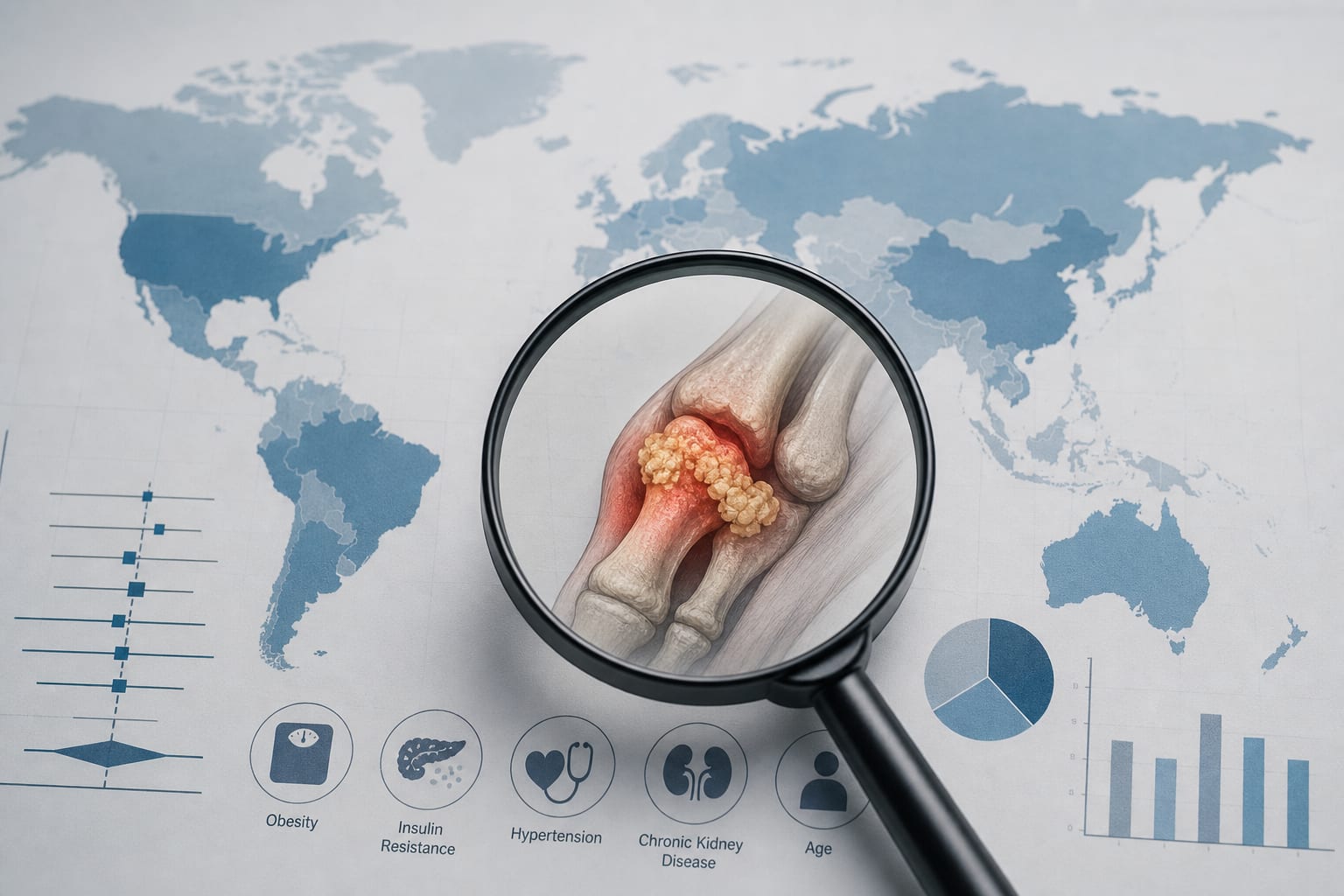
Exploring the Gut-Joint Connection in Gout: The Role of Microbial Outer Membrane Vesicles and m6A Epigenetic Modifications in Transitioning from Acute Flares to Chronic Inflammation
Clinical Scorecard: Exploring the Gut-Joint Connection in Gout: The Role of Microbial Outer Membrane Vesicles and m6A Epigenetic Modifications in Transitioning from Acute Flares to Chronic Inflammation
At a Glance
Category
Detail
Condition
Key Mechanisms
Gut-joint axis, bacterial outer membrane vesicles (OMVs), N6-methyladenosine (m6A) epigenetic modifications, linking gut dysfunction to systemic inflammation.
Target Population
Care Setting
Key Highlights
Gout is a systemic metabolic disorder linked to gut dysfunction, emphasizing the gut-joint axis.
Bacterial OMVs and m6A modifications play critical roles in inflammation, particularly in the transition from acute to chronic states.
The 'Two-Hit' hypothesis describes the transition from acute flares to chronic inflammation, detailing the mechanisms involved.
Intestinal dysbiosis is characterized by reduced microbial diversity and increased pathogenic bacteria, impacting gout severity.
Emerging therapeutic strategies focus on targeting OMVs and m6A enzymes to mitigate inflammation.
Guideline-Based Recommendations
Diagnosis
Management
Monitoring & Follow-up
Assess inflammatory markers such as C-reactive protein (CRP) and uric acid levels, alongside gut health indicators.
Risks
Patient & Prescribing Data
Gout patients experiencing acute flares and chronic inflammation.
Focus on precision interventions targeting the gut-joint axis.
Clinical Best Practices
Integrate gut health assessments in gout management by utilizing microbiota profiling.
Explore novel therapeutic strategies that address underlying gut dysbiosis, including dietary interventions and probiotics.