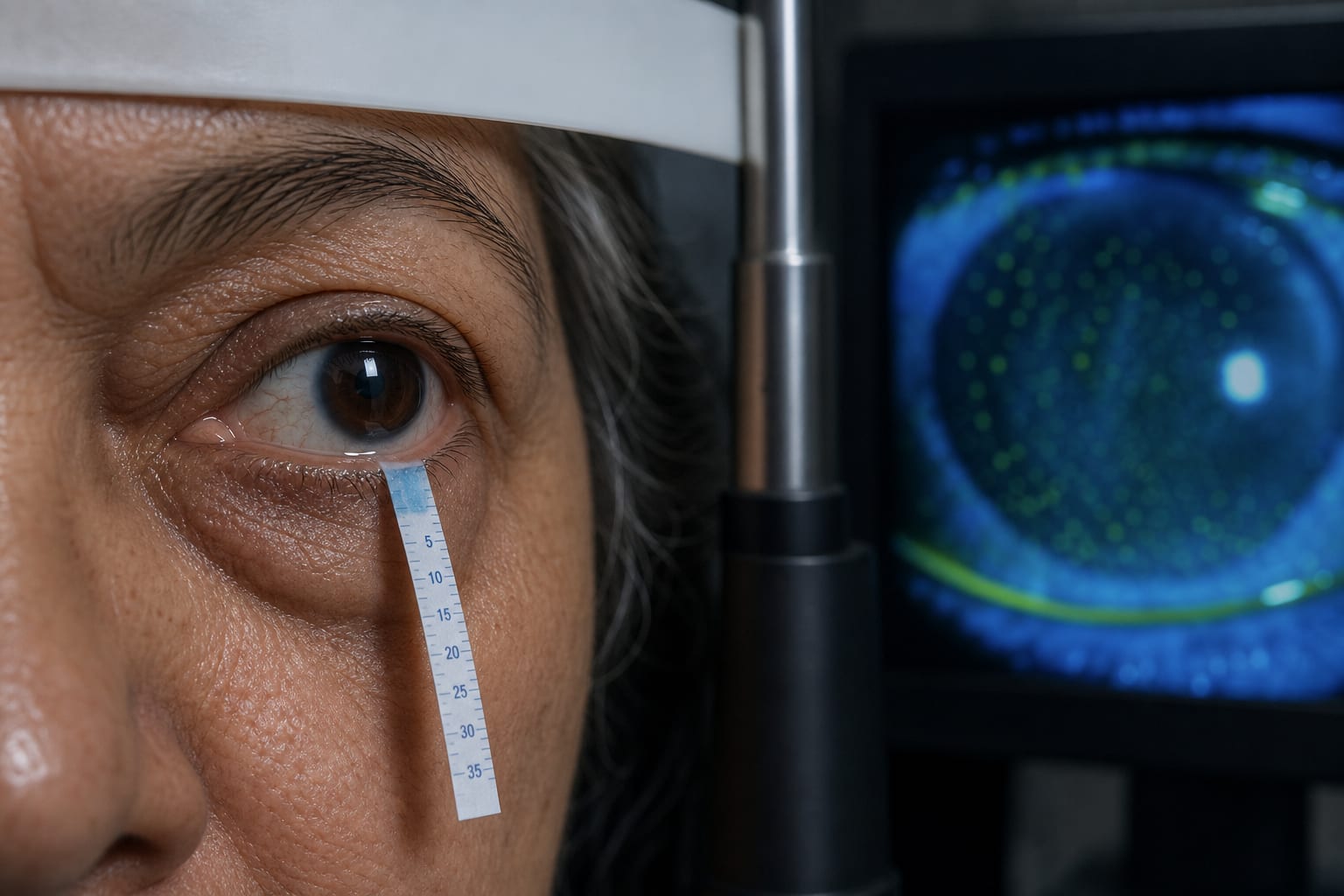
Management of Non-Sjögren's Dry Eye (Shushkakshipaka) in Preparation for Cataract Surgery: A Case Study
Clinical Scorecard: Management of Non-Sjögren's Dry Eye (Shushkakshipaka) in Preparation for Cataract Surgery: A Case Study
At a Glance
Category Detail
Condition Non-Sjögren's Aqueous Deficient Dry Eye (Non-Sjögren's ADDE) Key Mechanisms Lacrimal dysfunction and ocular surface inflammation due to inadequate tear production. Target Population Older adults undergoing cataract surgery with pre-existing dry eye symptoms. Care Setting Ophthalmology and Ayurvedic treatment facilities.
Key Highlights
Patient experienced moderate-to-severe Non-Sjögren's ADDE and cataracts. Initial treatment included artificial tears and omega-3 fatty acid supplements. Ayurvedic treatment involved systemic and local ocular management over two months. Significant improvement in ocular parameters allowed for cataract surgery eligibility. Further investigation is warranted for severe, non-responsive dry eye cases. Guideline-Based Recommendations
Diagnosis
Assess severity of dry eye symptoms before cataract surgery. Utilize Schirmer's test and tear break-up time for diagnosis. Management
Implement aggressive treatment for dry eye to prevent complications. Consider Ayurvedic strategies alongside conventional treatments. Monitoring & Follow-up
Regular follow-up to assess ocular surface integrity and treatment efficacy. Risks
Severe dry eye may lead to complications such as corneal ulcers. Patient & Prescribing Data
Older adults with Non-Sjögren's ADDE and cataracts.
Combination of conventional and Ayurvedic treatments showed improved outcomes.
Clinical Best Practices
Prioritize ocular surface optimization before cataract surgery. Incorporate dietary and lifestyle modifications in treatment plans. Related Resources & Content