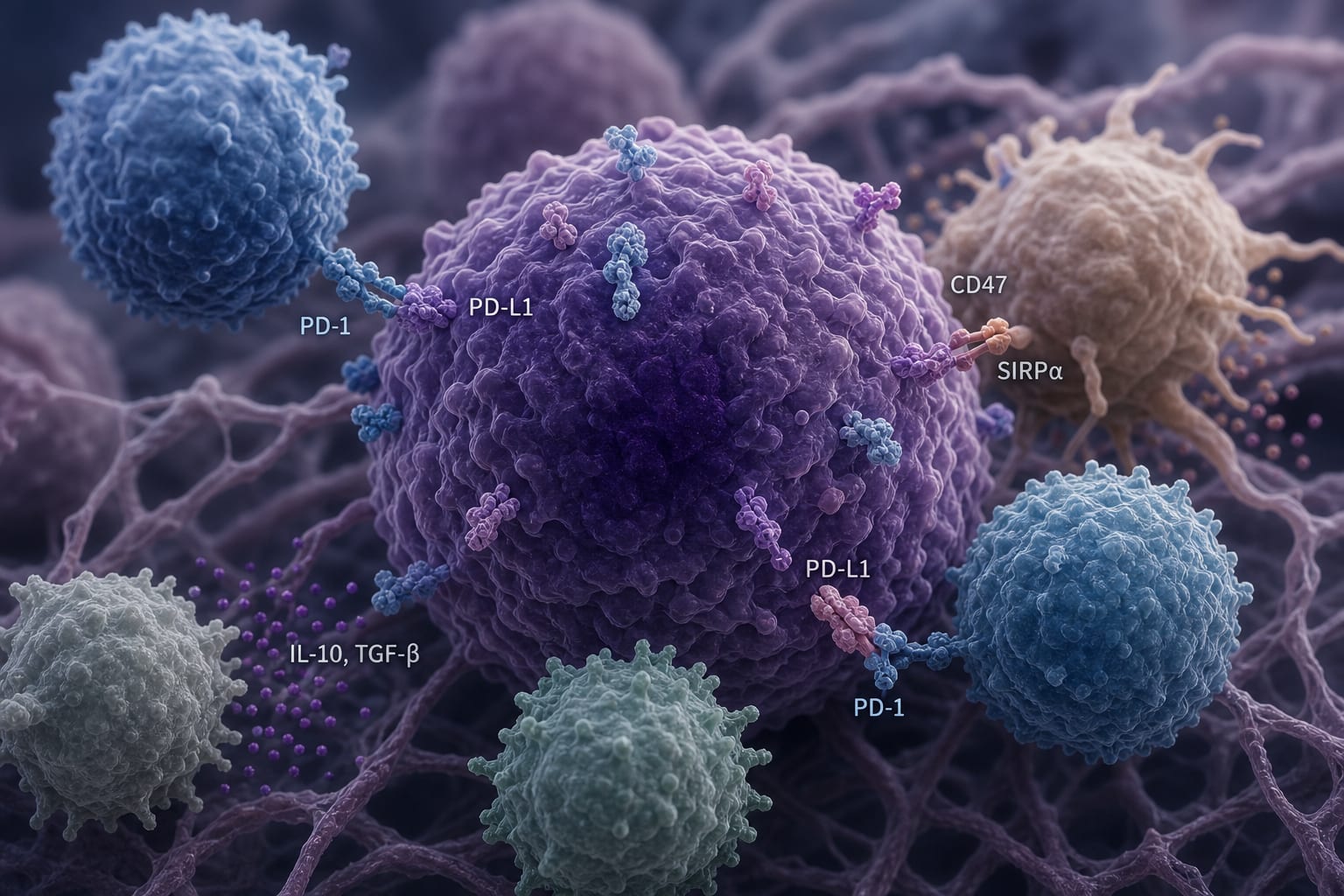
Editorial: Mechanisms regulating immune evasion by B-cell lymphoma
-
By
-
Nethaji Muniraj
-
Azizul Haque
-
June 29, 2026
-
Clinical Scorecard: Factors Influencing Immune Evasion in B-cell Lymphoma
At a Glance
| Category | Detail |
|---|
| Condition | B-cell Lymphoma |
| Key Mechanisms | Impaired antigen presentation, dysregulation of immune checkpoints, immunosuppressive cytokines, regulatory immune cell recruitment, metabolic reprogramming. |
| Target Population | Patients with B-cell lymphomas, including DLBCL and Burkitt lymphoma. |
| Care Setting | Oncology and Hematology |
Key Highlights
- B-cell lymphomas evade immune surveillance through multiple strategies.
- Genetic and metabolic changes in lymphoma cells influence immune responses.
- The tumor microenvironment plays a critical role in lymphoma progression.
- Therapeutic resistance is a major challenge in managing aggressive B-cell lymphomas.
- Recent studies identify novel therapeutic targets to enhance anti-tumor immunity.
Guideline-Based Recommendations
Diagnosis
- Utilize genomic sequencing and immune profiling for better understanding of lymphoma.
Management
- Consider combination therapeutic strategies targeting both tumor survival pathways and the tumor microenvironment.
Monitoring & Follow-up
- Monitor for treatment resistance and immune evasion mechanisms.
Risks
- Patients may experience relapses or develop treatment resistance.
Patient & Prescribing Data
Patients with various forms of B-cell lymphoma.
Metabolic pathways and immune cell interactions are critical for treatment response.
Clinical Best Practices
- Incorporate immune profiling in treatment planning.
- Target immunosuppressive pathways in therapy.
Related Resources & Content