Treatment strategies for rituximab-resistant primary membranous nephropathy: from resistance mechanisms to emerging therapies
-
By
-
Jingjie Gao
-
Yanan Pei
-
Lijuan Wei
-
Bo Yang
-
Hongtao Yang
-
June 11, 2026
-
Clinical Scorecard: Approaches to Managing Rituximab-Resistant Primary Membranous Nephropathy: Understanding Resistance Mechanisms and Novel Therapeutic Options
At a Glance
| Category | Detail |
|---|
| Condition | |
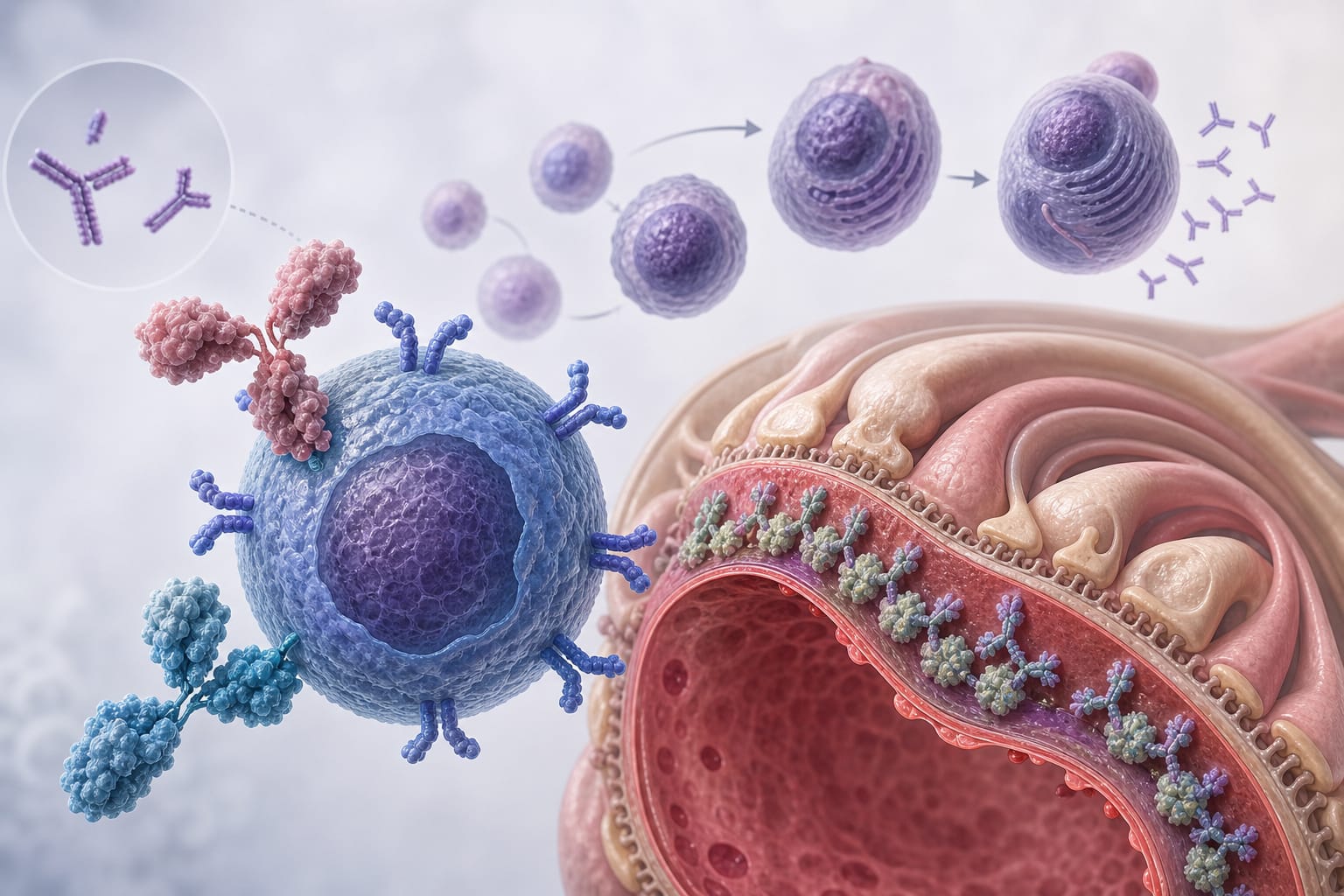
| Key Mechanisms | Rituximab resistance due to anti-drug antibodies, incomplete B cell depletion, CD20 internalization, genetic susceptibility, and epitope spreading. |
| Target Population | |
| Care Setting | |
Key Highlights
- Resistance mechanisms include anti-drug antibody formation, incomplete B cell depletion, and genetic susceptibility.
Guideline-Based Recommendations
Diagnosis
Management
Monitoring & Follow-up
- Monitor for the development of anti-drug antibodies, treatment response, and adjust treatment based on individual risk profiles.
Risks
Patient & Prescribing Data
Patients with PMN, particularly those resistant to rituximab.
Approximately 35% of patients do not respond to rituximab, and recurrence rates can be as high as 27%.
Clinical Best Practices
- Consider patient-specific factors, including environmental exposure and comorbidities, when selecting treatment strategies.
Related Resources & Content