Ultrasound-guided stellate ganglion acupuncture for chronic insomnia disorder using fNIRS: study protocol for a randomized controlled trial - Scorecard - MDSpire
Advertisement
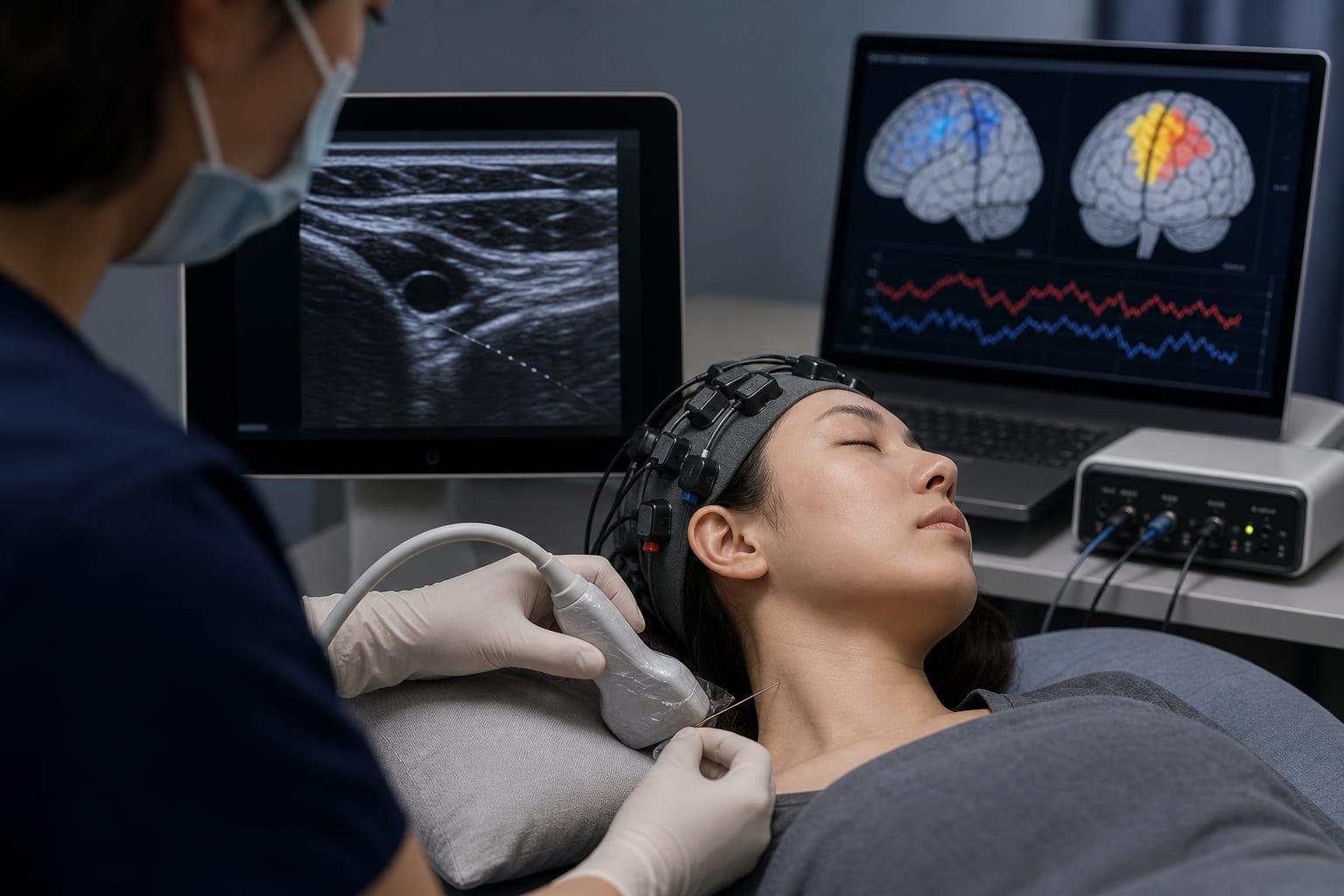
Ultrasound-guided stellate ganglion acupuncture for chronic insomnia disorder using fNIRS: study protocol for a randomized controlled trial
Clinical Scorecard: Protocol for a Randomized Controlled Trial on Ultrasound-Guided Stellate Ganglion Acupuncture for Chronic Insomnia Disorder Utilizing fNIRS
At a Glance
Category
Detail
Condition
Chronic Insomnia Disorder
Key Mechanisms
Sympathetic hyperarousal and autonomic regulation via stellate ganglion
Target Population
Patients with Chronic Insomnia Disorder
Care Setting
Single-center randomized controlled trial
Key Highlights
Trial evaluates ultrasound-guided SG acupuncture combined with conventional acupuncture.
Primary outcomes include Insomnia Severity Index (ISI) and fNIRS data.
Secondary outcomes include Pittsburgh Sleep Quality Index (PSQI) and Hamilton Anxiety Rating Scale (HAMA).
80 patients with CID will be enrolled and randomized into treatment and control groups.
Study aims to provide objective evidence for acupuncture-based treatment of CID.
Guideline-Based Recommendations
Diagnosis
Chronic insomnia disorder is diagnosed when symptoms occur at least three nights per week for 3 months or longer.
Management
Current treatments include cognitive behavioral therapy for insomnia (CBT-I), pharmacotherapy, and acupuncture.
Monitoring & Follow-up
Outcomes will be assessed at baseline, week 4, and week 8.
Risks
Procedure-related adverse effects of stellate ganglion block include hoarseness, dizziness, and puncture-site hematoma.
Patient & Prescribing Data
Patients with Chronic Insomnia Disorder
Ultrasound-guided SG acupuncture may offer a safer approach to autonomic modulation.
Clinical Best Practices
Informed consent must be obtained before enrollment.
Follow ethical guidelines for clinical trials as per SPIRIT and CONSORT.
In two population-based cohorts, metabolically unhealthy status generally showed higher dementia risk estimates, while metabolically healthy obesity was not associated with increased risk in primary analyses.