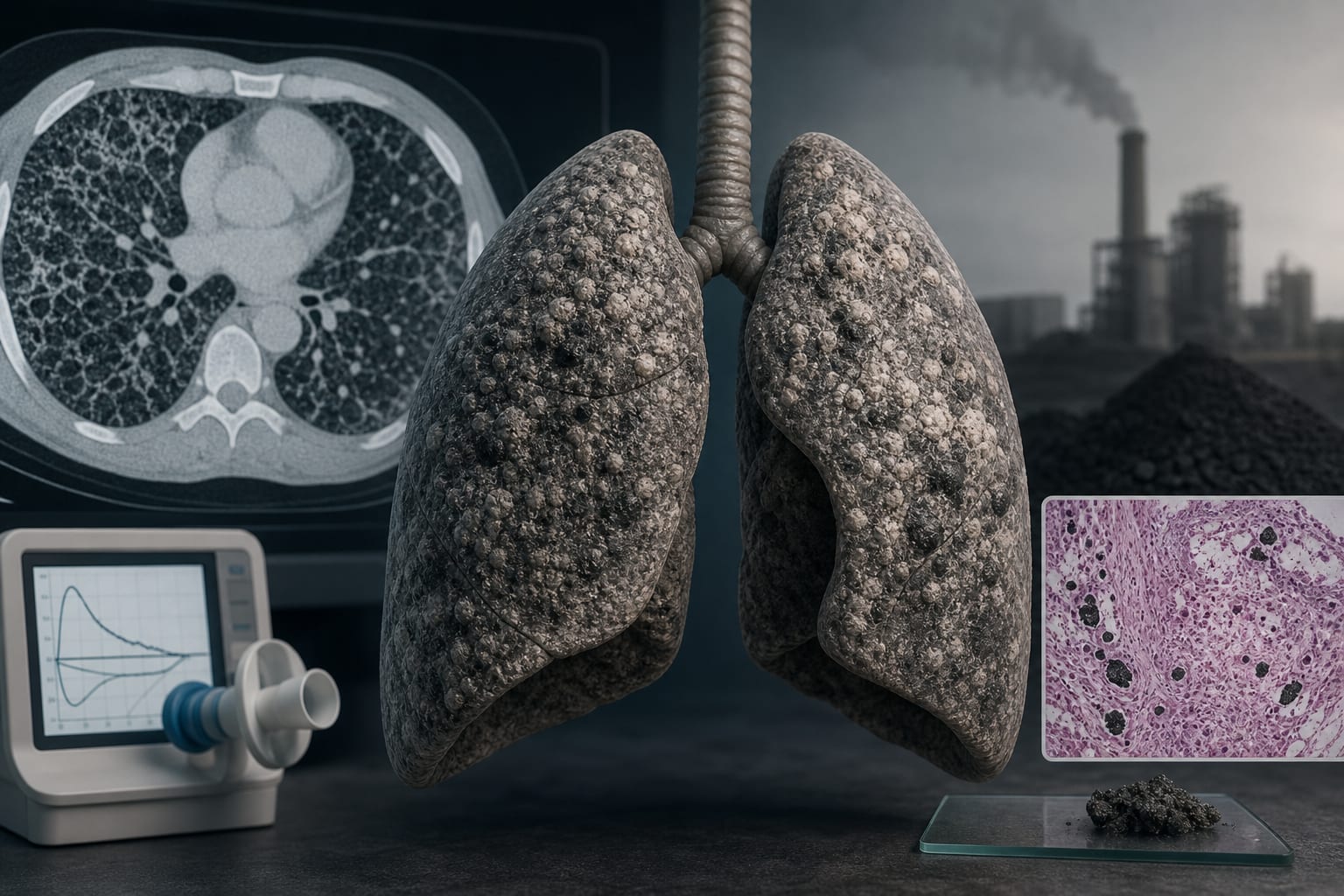
Diagnostic complexity and potentially avoidable invasive procedures before the recognition of pneumoconiosis
-
By
-
Serhat Özgün
-
Adem Koyuncu
-
Gülden Sarı
-
Rabia Ezber
-
Mücahid Alp Arslan
-
Ceprail Şimşek
-
June 26, 2026
-
Clinical Scorecard: Challenges in Diagnosis and Unnecessary Invasive Interventions Prior to Identifying Pneumoconiosis
At a Glance
| Category | Detail |
|---|
| Condition | Pneumoconiosis |
| Key Mechanisms | Radiological misinterpretation and occupational exposure |
| Target Population | Patients with occupational dust exposure |
| Care Setting | Tertiary referral center specializing in occupational lung diseases |
Key Highlights
- Pneumoconiosis often misdiagnosed as malignancy or infection due to overlapping radiological features.
- Higher radiological burden correlates with reduced pulmonary function.
- Substantial diagnostic discordance observed between initial working diagnosis and invasive findings.
- Overall complication rate from invasive procedures was 10.7%, with pneumothorax as the most common adverse event.
- Integrating occupational history into early evaluation may reduce unnecessary procedures.
Guideline-Based Recommendations
Diagnosis
- Utilize a multidisciplinary framework integrating clinical, radiological, pathological, and exposure data.
Management
- Consider occupational exposure in the initial diagnostic evaluation to avoid unnecessary invasive procedures.
Monitoring & Follow-up
- Monitor for complications related to invasive procedures, particularly in patients with atypical radiological features.
Risks
- Invasive procedures may lead to complications such as pneumothorax, especially in patients with misinterpreted lesions.
Patient & Prescribing Data
Patients with suspected pneumoconiosis undergoing invasive diagnostic evaluation.
The study highlights the need for careful assessment of radiological findings and occupational history before proceeding with invasive diagnostics.
Clinical Best Practices
- Implement structured decision-making processes that consider occupational exposure.
- Enhance training for clinicians on recognizing pneumoconiosis-related radiological patterns.
Related Resources & Content