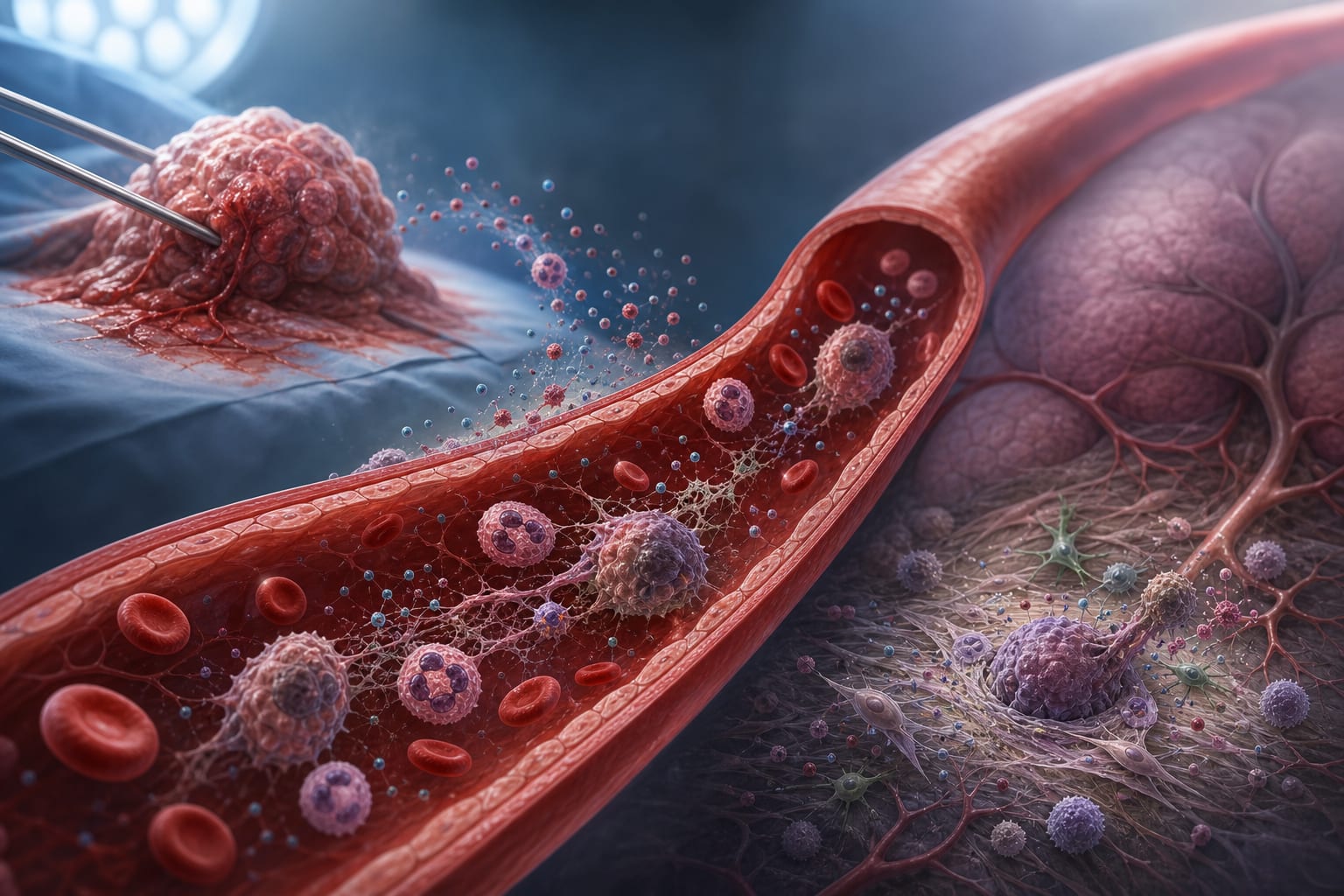
Effects of surgery on cancer metastasis: biological mechanisms and perioperative implications
Clinical Scorecard: Impact of Surgical Interventions on Cancer Metastasis: Biological Mechanisms and Implications for the Perioperative Period
At a Glance
Category Detail
Condition Key Mechanisms Surgery-associated tissue injury, inflammation, immune suppression, neuroendocrine stress responses, epithelial-mesenchymal transition (EMT), and neutrophil extracellular traps (NETs) Target Population Care Setting
Key Highlights
Surgical resection is central to curative cancer treatment but may influence metastatic progression. Perioperative period characterized by systemic inflammation and transient immune suppression. Surgery can exert both tumor-inhibitory and tumor-promoting effects. Emerging strategies include prehabilitation, immunomodulation, minimally invasive approaches, and targeting EMT and NETs. Understanding perioperative biological changes may inform integrated oncology strategies. Guideline-Based Recommendations
Diagnosis
Management
Implement perioperative systemic therapies, including neoadjuvant and immunotherapy, to mitigate metastatic risk. Monitoring & Follow-up
Risks
Patient & Prescribing Data
Patients undergoing surgery for solid tumors.
Consider neoadjuvant and perioperative immunotherapy to enhance outcomes.
Clinical Best Practices
Optimize perioperative physiological status through multidisciplinary strategies. Utilize minimally invasive surgical techniques when appropriate. Address psychological and physiological stressors to improve recovery. Related Resources & Content