Diagnosis and treatment of neurofibromatosis type 1 with malignant transformation and multiple gastrointestinal stromal tumors: a case report and literature review - Scorecard - MDSpire
Advertisement
Diagnosis and treatment of neurofibromatosis type 1 with malignant transformation and multiple gastrointestinal stromal tumors: a case report and literature review
Clinical Scorecard: Management and Diagnosis of Neurofibromatosis Type 1 with Malignant Transformation and Concurrent Gastrointestinal Stromal Tumors: A Case Study and Review of Existing Literature
At a Glance
Category
Detail
Condition
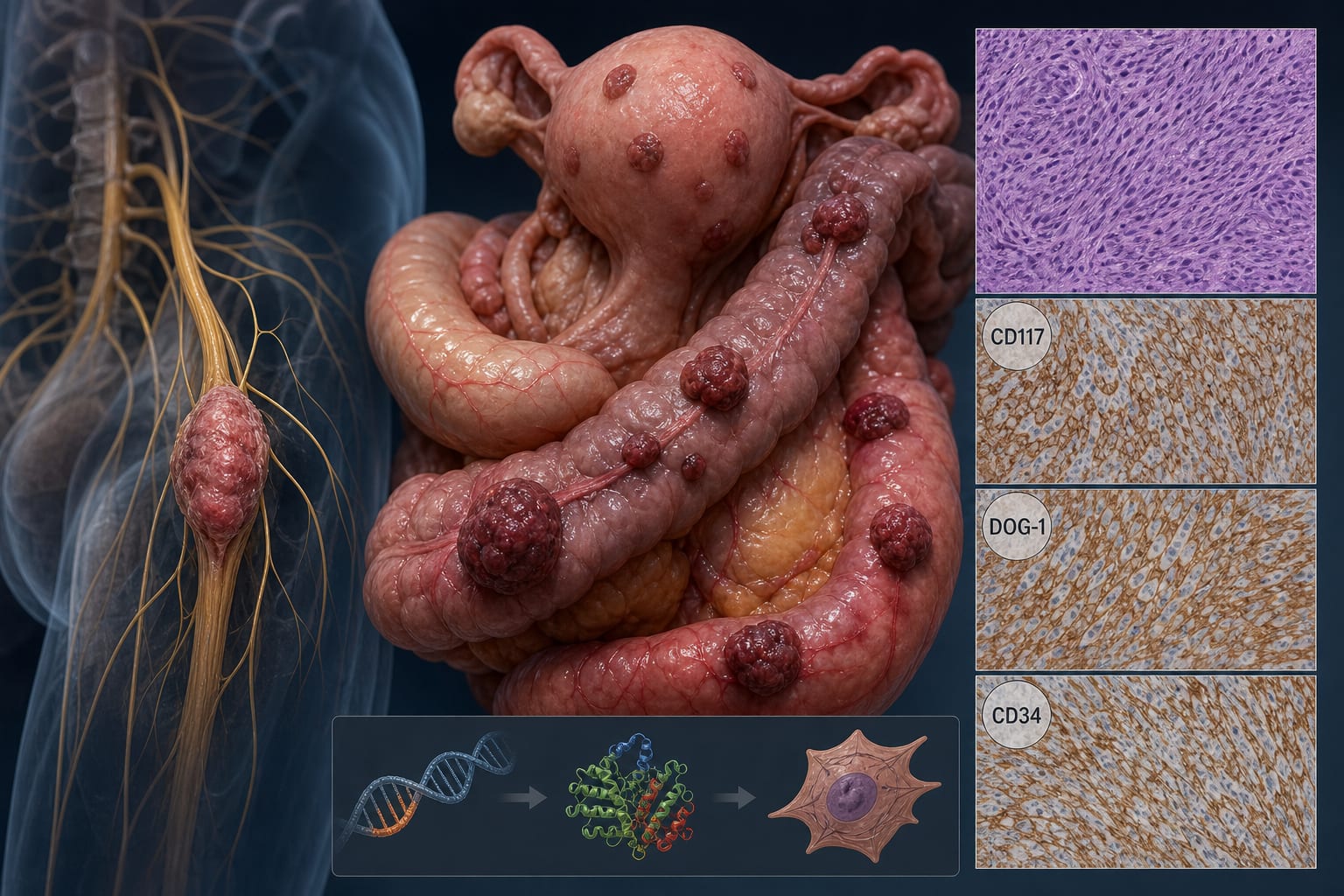
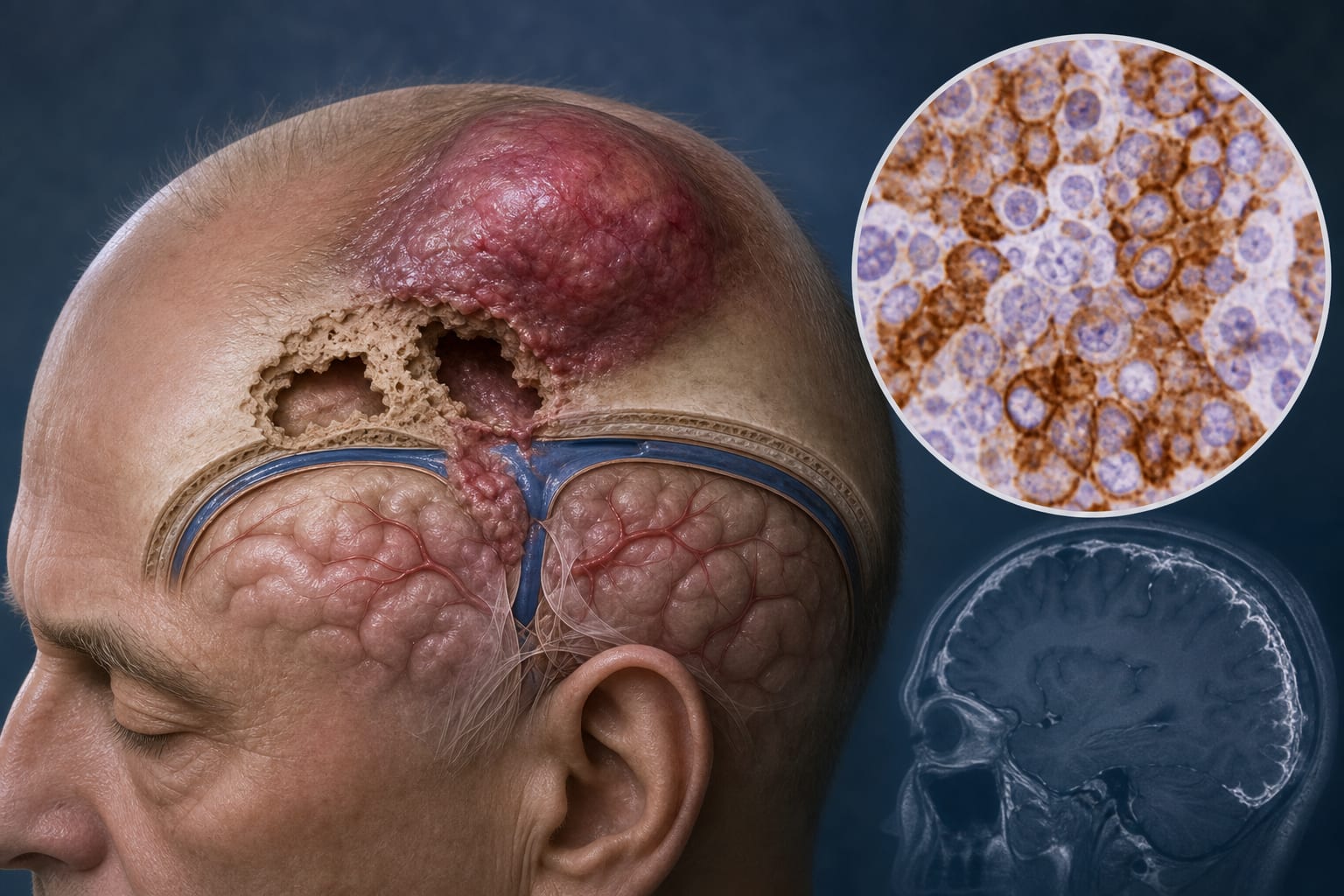
Neurofibromatosis Type 1 (NF1) with Malignant Transformation and Concurrent Gastrointestinal Stromal Tumors (GIST)
Key Mechanisms
Autosomal dominant genetic disorder; abnormal activation of tyrosine kinases in GIST; MPNST as a complication of NF1.
Target Population
Individuals diagnosed with Neurofibromatosis Type 1, particularly those with malignant peripheral nerve sheath tumors and gastrointestinal stromal tumors.
Care Setting
Hospital setting with surgical and oncological teams.
Key Highlights
NF1 has an incidence of 1 in 3000–4000 individuals.
MPNST accounts for 5–10% of all soft tissue sarcomas, with 50% occurring in NF1 patients.
GISTs are the most common mesenchymal tumors of the gastrointestinal tract, often lacking KIT/PDGFRA mutations in NF1 cases.
EGISTs are rare, with limited reports of uterine occurrences.
Surgery is the primary treatment for MPNST and GIST.
Guideline-Based Recommendations
Diagnosis
Comprehensive preoperative imaging is critical to prevent misdiagnosis.
Management
Surgical resection is the primary treatment for both MPNST and GIST.
Monitoring & Follow-up
Postoperative pathological examination is essential for accurate diagnosis.
Risks
MPNST is the leading cause of mortality in NF1 patients.
Patient & Prescribing Data
51-year-old female with NF1 and multiple tumors.
The patient underwent multiple surgeries for tumor removal, with no recurrence or metastasis observed after 4 years of follow-up.
Clinical Best Practices
Utilize multidisciplinary teams for complex surgical cases involving NF1.
Conduct thorough imaging studies prior to surgery to guide treatment decisions.