Human umbilical cord mesenchymal stem cell–derived exosomes are associated with changes in renal injury markers, gut microbiota composition, and inflammatory signaling in IgA nephropathy - Scorecard - MDSpire
Advertisement
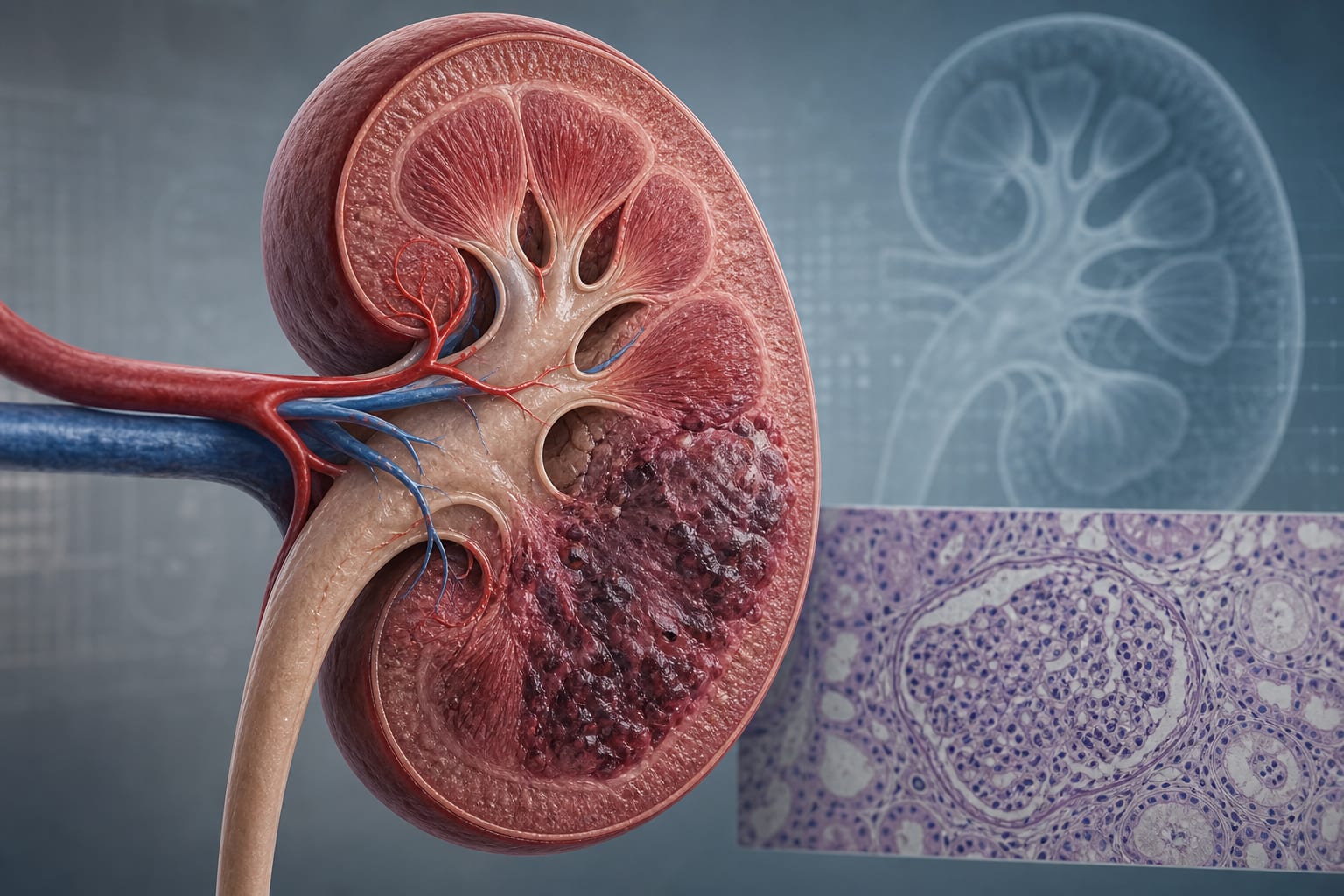
Human umbilical cord mesenchymal stem cell–derived exosomes are associated with changes in renal injury markers, gut microbiota composition, and inflammatory signaling in IgA nephropathy
Clinical Scorecard: Exosomes from human umbilical cord mesenchymal stem cells influence renal injury markers, gut microbiota diversity, and inflammatory pathways in IgA nephropathy
At a Glance
Category
Detail
Condition
IgA nephropathy (IgAN)
Key Mechanisms
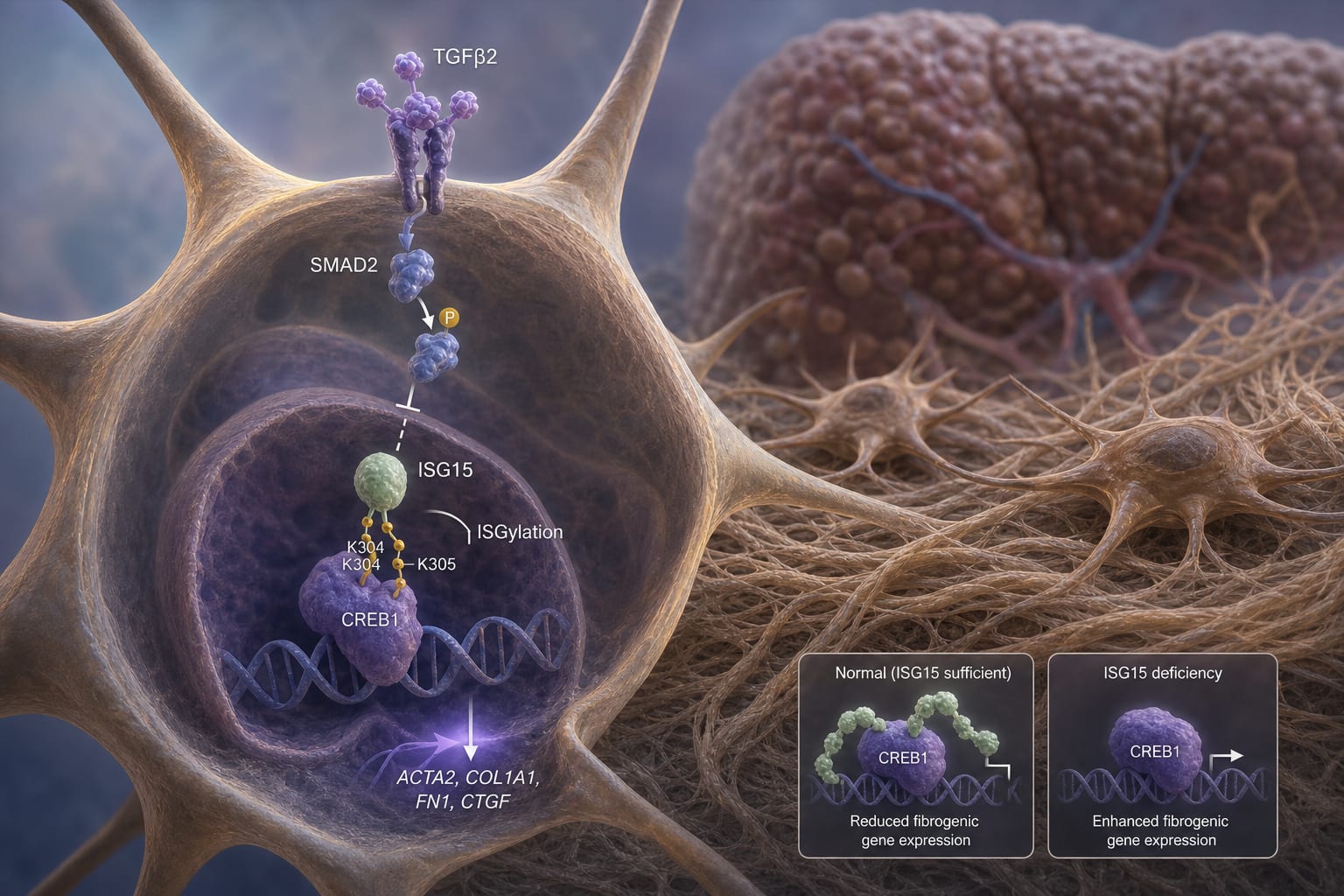
Gut microbiota dysbiosis, NLRP3 inflammasome-related signaling
Target Population
Patients with IgA nephropathy
Care Setting
Experimental research using animal models and in vitro assays
Key Highlights
hUCMSC-Exos associated with changes in renal injury markers in IgAN-like mice
Alterations in gut microbiota composition observed after hUCMSC-Exos administration
Reduced levels of NLRP3, IL-1β, and IL-18 in Gd-IgA1-stimulated podocytes following exosome exposure
Microbiome analysis indicated a shift towards a microbial profile closer to controls
Transcriptomic analysis revealed altered expression of NLRP3 inflammasome-related genes
Guideline-Based Recommendations
Diagnosis
Assessment of renal function and histopathological changes in IgAN
Management
Exploration of hUCMSC-Exos as a potential therapeutic candidate for IgAN
Monitoring & Follow-up
Evaluation of renal injury markers and inflammatory pathways in IgAN patients
Risks
Potential for progressive renal dysfunction despite current supportive care
Patient & Prescribing Data
Patients with IgA nephropathy
hUCMSC-Exos may represent a cell-free therapeutic option for further investigation
Clinical Best Practices
Monitor gut microbiota diversity in patients with IgAN
Assess systemic inflammatory markers in conjunction with renal function
Consider the role of NLRP3 inflammasome in the pathogenesis of IgAN