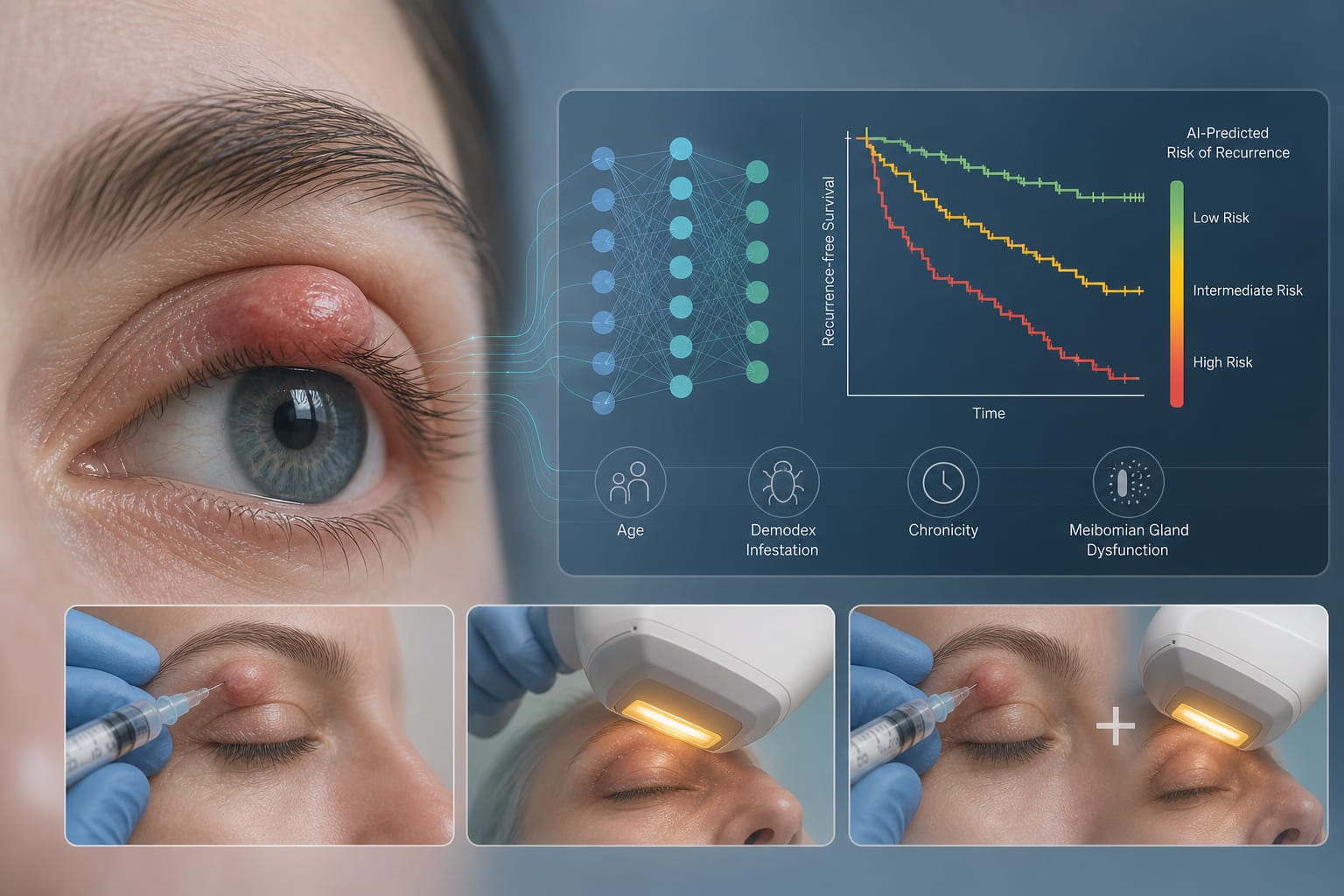
Ocular Surface Disease Treatments in the Pipeline
Potential treatments address inflammation and tear production, offer alternative mechanisms of action, or address a subset of dry eye.
Clinical Scorecard: Ocular Surface Disease Treatments in the Pipeline
At a Glance
| Category | Detail |
| Condition | Ocular Surface Disease (OSD) |
| Key Mechanisms | Tear film instability, inflammation, and disruption of ocular surface homeostasis. |
| Target Population | Individuals with dry eye disease (DED), estimated at over 20 million in the U.S. and 350 million globally. |
| Care Setting | Ophthalmology and optometry clinics. |
Key Highlights
- Diverse treatment options including traditional eye drops, nasal sprays, and lacrimal occlusion.
- Emerging therapies targeting inflammation, tear production, and specific conditions like meibomian gland dysfunction.
- Notable candidates in development include reproxalap and AR-15512, targeting novel pathways and improving patient compliance.
Guideline-Based Recommendations
Diagnosis
- Identify the appropriate subtype of ocular surface disease for tailored treatment.
Management
- Utilize a multimodal approach to address symptoms and underlying pathology.
Monitoring & Follow-up
- Regular assessment of tear film stability and ocular surface health.
Risks
- Potential for chronic symptoms and complications if not properly managed.
Patient & Prescribing Data
Patients suffering from chronic dry eye disease and associated ocular surface conditions.
Recent advancements in therapies offer targeted mechanisms to improve outcomes.
Clinical Best Practices
- Tailor therapies to individual patient needs and tolerance.
- Stay updated on emerging treatments and their mechanisms of action.
Related Resources & Content