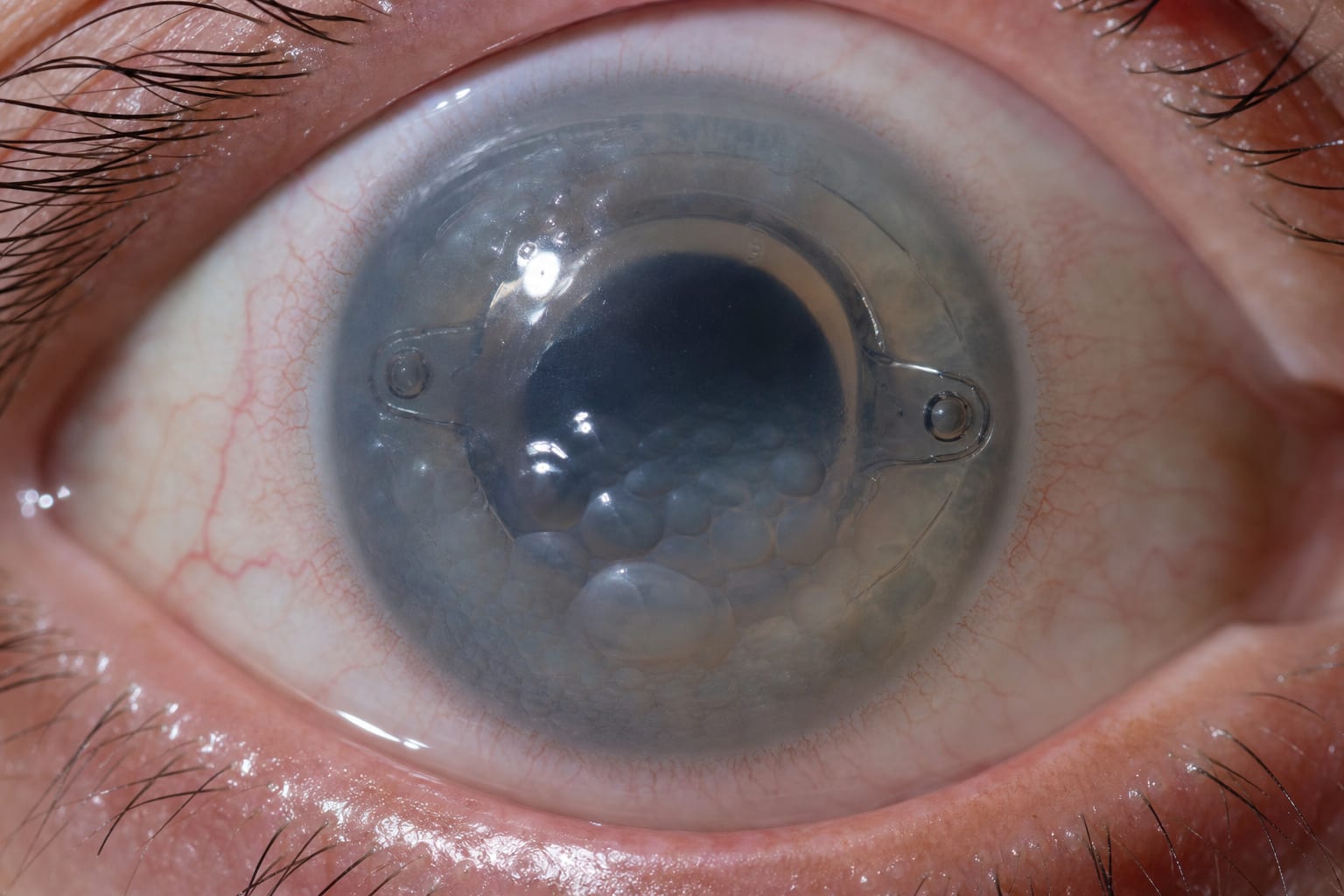
Clinical Scorecard: Why Uveitis Fellowship Deserves a Second Look
At a Glance
Category
Detail
Condition
Uveitis, an inflammatory eye disease affecting the uveal tract
Key Mechanisms
Medical and surgical management including immunomodulation, intravitreal injections, cataract and glaucoma surgery, and diagnostic procedures like anterior chamber paracentesis
Target Population
Patients with diverse uveitis etiologies including infectious and noninfectious causes, often requiring multidisciplinary care
Care Setting
Specialized uveitis clinics, academic centers, and hybrid practices combining medical and surgical ophthalmology
Key Highlights
Uveitis is both a medical and surgical subspecialty with over 70% of specialists performing procedures such as cataract surgery and intravitreal injections.
Contrary to misconceptions, uveitis specialists have compensation comparable to other ophthalmic subspecialties, with many earning $300,000-$400,000 annually and some exceeding $500,000.
Limited exposure during residency contributes to perceptions of difficulty; early clinical rotations double the likelihood of pursuing uveitis fellowship.
Guideline-Based Recommendations
Diagnosis
Utilize pattern recognition and diagnostic clarity through clinical exposure to uveitis cases.
Perform diagnostic procedures such as anterior chamber paracentesis and vitreous tap for infectious or atypical etiologies.
Management
Combine medical immunomodulatory therapy with surgical interventions including cataract extraction and glaucoma procedures.
Optimize perioperative management with steroid timing, systemic immunomodulation, and antimicrobial coverage to reduce postoperative inflammation.
Administer intravitreal injections routinely as part of uveitis care.
Monitoring & Follow-up
Coordinate multidisciplinary care with rheumatology, infectious disease, and hematology specialists for systemic disease management.
Monitor immunologic labs and ocular inflammation longitudinally.
Risks
Complex ocular disease management requires expertise to avoid complications related to surgery and immunosuppression.
Infectious anterior uveitis demands careful diagnostic and therapeutic approaches to prevent vision loss.
Patient & Prescribing Data
Patients with intermediate, posterior, or panuveitis including infectious and noninfectious etiologies
Treatment involves a combination of immunomodulatory therapy, surgical procedures, and intravitreal injections tailored to disease severity and etiology.
Clinical Best Practices
Early and structured clinical exposure to uveitis during residency enhances interest and competence in the subspecialty.
Maintain surgical skills alongside medical management to provide comprehensive care.
Engage in multidisciplinary collaboration to optimize systemic and ocular outcomes.
Leverage fellowship training programs accredited by AUPO for advanced expertise.