Mpox Sequelae Persist 11 to 18 Months After Infection
Study supports follow-up and multidisciplinary care for persistent physical and psychosocial effects
-
By
-
Henry Thomas
-
January 27, 2026
-
Clinical Scorecard: Mpox Sequelae Persist 11 to 18 Months After Infection
At a Glance
| Category | Detail |
|---|
| Condition | Mpox sequelae |
| Key Mechanisms | Persistent physical and psychosocial effects following acute mpox infection. |
| Target Population | Adults with prior laboratory-confirmed mpox. |
| Care Setting | Post-acute care and follow-up clinics. |
Key Highlights
- 58% of participants had at least one persistent sequela.
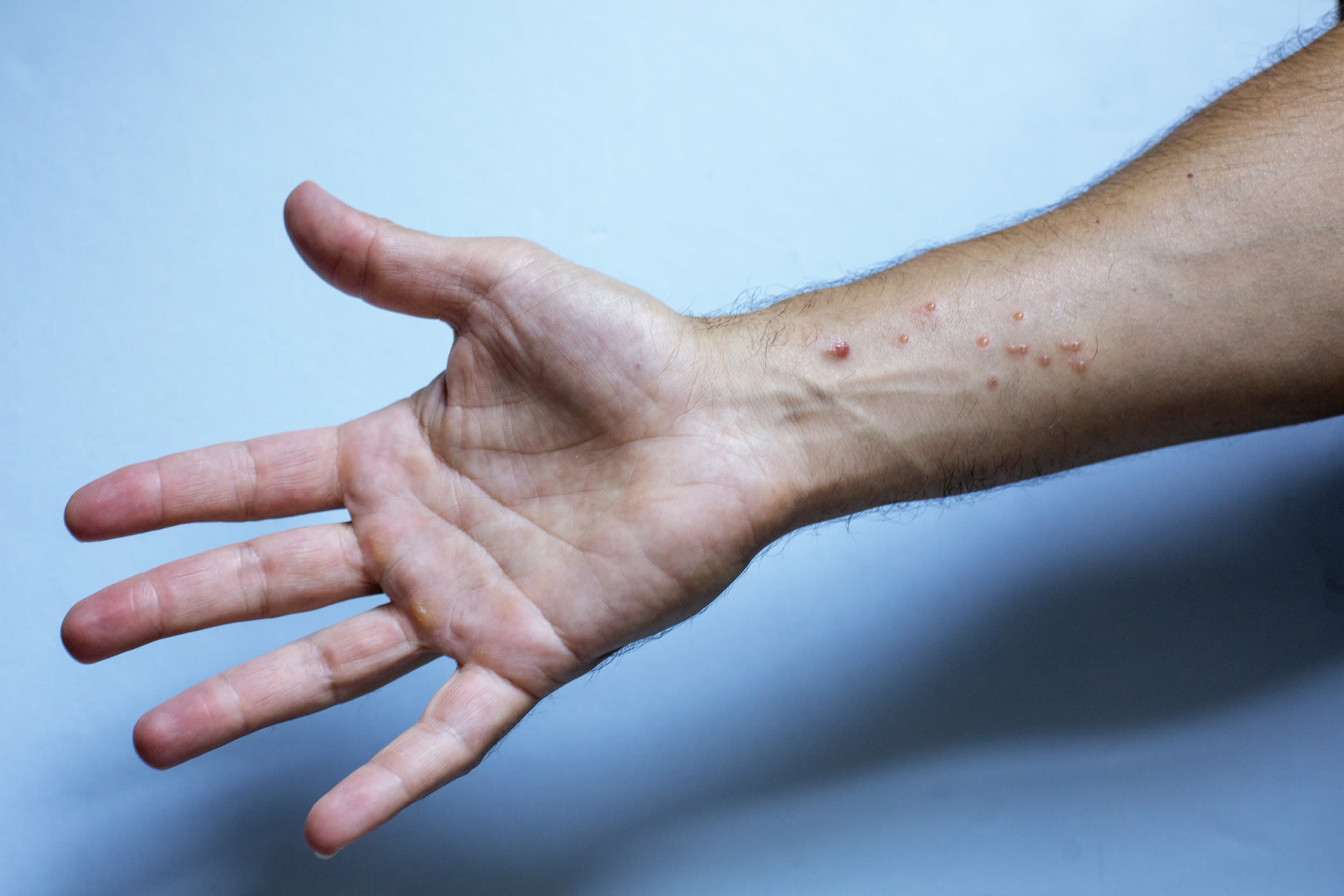
- Most common sequelae included skin discoloration and scarring.
- 13% reported functional complications, mainly anorectal and urinary symptoms.
- 45% experienced increased depressive symptoms.
- Persistent sequelae linked to more severe acute disease.
Guideline-Based Recommendations
Diagnosis
- Assess for persistent physical sequelae and psychosocial effects in post-mpox patients.
Management
- Provide support for ongoing social and sexual health challenges.
Monitoring & Follow-up
- Long-term follow-up for skin changes and functional symptoms.
Risks
- Higher likelihood of social and sexual performance issues in patients with functional sequelae.
Patient & Prescribing Data
Adults previously diagnosed with mpox.
Persistent sequelae not linked to HIV control, vaccination, or antiviral treatment.
Clinical Best Practices
- Conduct thorough assessments for psychosocial impacts post-mpox.
- Monitor for functional complications and provide necessary interventions.
- Encourage reporting of ongoing symptoms to guide management.
References