Clinical Scorecard: A Comprehensive Review of Explainable AI Techniques in Cancer Imaging: Approaches, Technologies, and Clinical Application
At a Glance
Category
Detail
Condition
Key Mechanisms
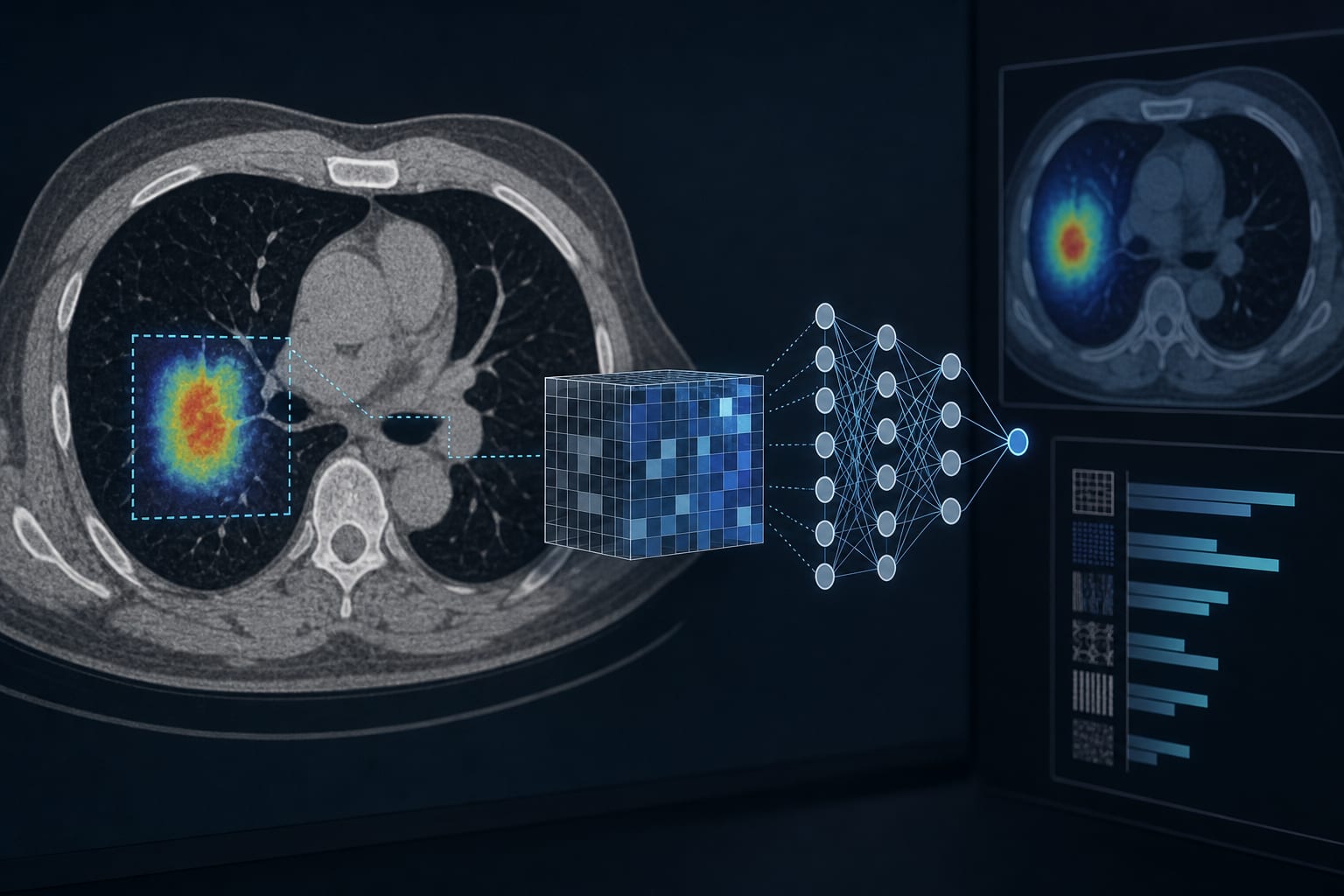
Explainable AI (xAI) enhances interpretability of AI decision-making processes in cancer diagnosis, utilizing techniques such as visualization tools and model-agnostic methods.
Target Population
Care Setting
Key Highlights
AI systems can improve diagnostic accuracy and reduce analysis time in cancer imaging.
The EU AI Act classifies AI systems for cancer diagnosis as 'high-risk', necessitating transparency and human oversight.
Explainable AI (xAI) aims to make AI decision-making processes transparent and understandable.
Clinical adoption of AI in cancer imaging requires workflow integration and staff training, including understanding AI outputs.
Validation of xAI methods in clinical settings is essential for trust and acceptance among clinicians, emphasizing the need for rigorous studies.
Guideline-Based Recommendations
Diagnosis
Utilize AI-based systems to predict tumor characteristics from imaging data.
Management
Implement xAI methods to support clinical decision-making and treatment planning.
Monitoring & Follow-up
Regularly evaluate the performance and interpretability of AI systems in clinical practice.
Risks
Address the black-box nature of AI models to enhance trust and adoption in clinical settings.
Patient & Prescribing Data
Patients with cancer undergoing imaging for diagnosis and treatment evaluation.
AI can assist in preoperative risk assessment and development of treatment plans.
Clinical Best Practices
Ensure AI systems are integrated into clinical workflows to facilitate adoption.
Provide training for staff on the use and interpretation of AI outputs, including interdisciplinary collaboration.
Conduct extensive validation of xAI methods in real-world clinical settings.