Efficacy of wearable devices for upper and lower limb rehabilitation in stroke patients: A systematic review and meta-analysis of randomized controlled trials - Scorecard - MDSpire
Advertisement
Efficacy of wearable devices for upper and lower limb rehabilitation in stroke patients: A systematic review and meta-analysis of randomized controlled trials
Clinical Scorecard: Effectiveness of Wearable Technology in Rehabilitation of Upper and Lower Limbs for Stroke Survivors: A Systematic Review and Meta-Analysis of Randomized Controlled Trials
At a Glance
Category
Detail
Condition
Stroke
Key Mechanisms
Wearable devices for rehabilitation training and monitoring
Target Population
Stroke survivors
Care Setting
Home-based rehabilitation
Key Highlights
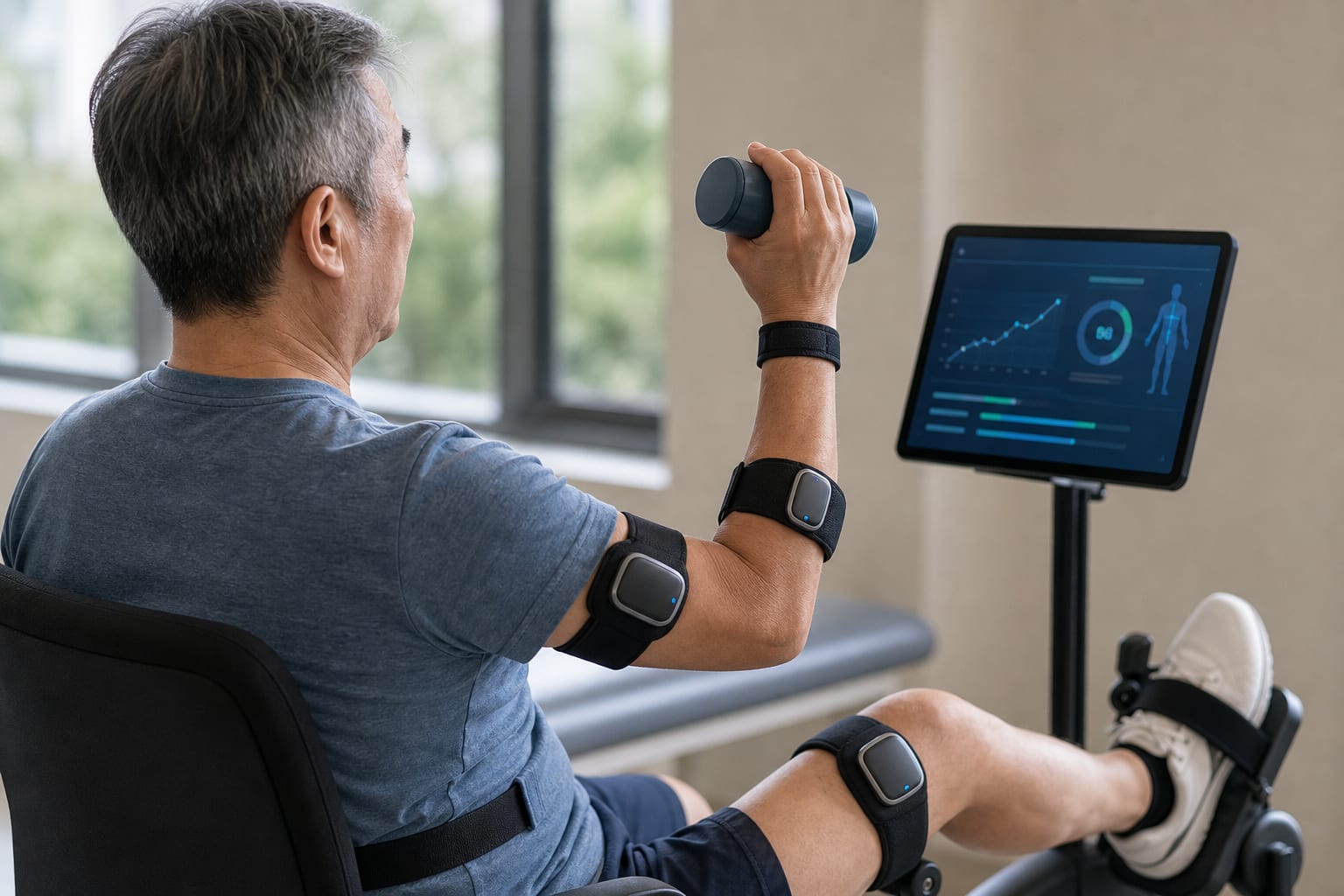
Wearable devices improve upper limb function and daily living activities in stroke patients.
Devices include activity trackers, pedometers, and robotic-assisted devices.
Wearable technology enhances self-management and rehabilitation compliance.
Monitoring through wearables promotes physical activity and recovery.
Evidence supports the feasibility of using wearables in stroke rehabilitation.
Guideline-Based Recommendations
Diagnosis
Utilize clinical outcome indicators to assess stroke rehabilitation.
Management
Incorporate wearable devices for rehabilitation training and monitoring.
Monitoring & Follow-up
Use wearable technology to track physiological parameters and activity levels.
Risks
Consider potential limitations in data collection and device compliance.
Patient & Prescribing Data
Patients diagnosed with stroke
Wearable devices can facilitate functional rehabilitation and improve quality of life.
Clinical Best Practices
Encourage self-management through the use of wearable devices.
Provide professional guidance during the rehabilitation process.
Monitor patient progress with wearable technology to enhance recovery.