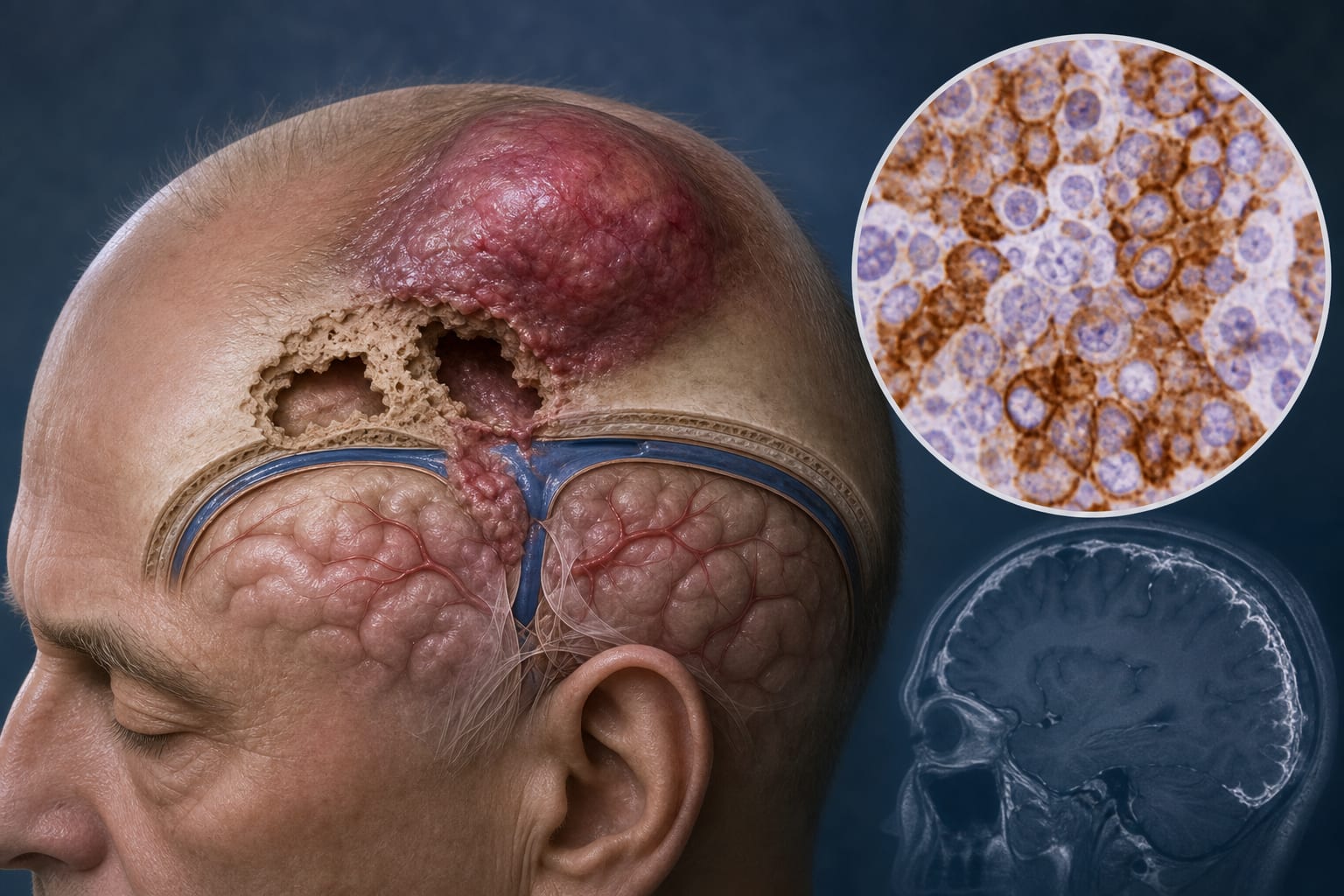
Diffuse large B-cell lymphoma presenting as a scalp tumor with skull destruction and neurological symptoms: a case report
-
By
-
Ayaka Yasuda
-
Natsuko Saito-Sasaki
-
Hirofumi Kawamoto
-
Yu Sawada
-
May 29, 2026
-
Clinical Scorecard: Diffuse Large B-Cell Lymphoma Manifesting as a Scalp Lesion with Skull Erosion and Neurological Symptoms: A Case Study
At a Glance
| Category | Detail |
|---|
| Condition | Diffuse Large B-Cell Lymphoma (DLBCL) |
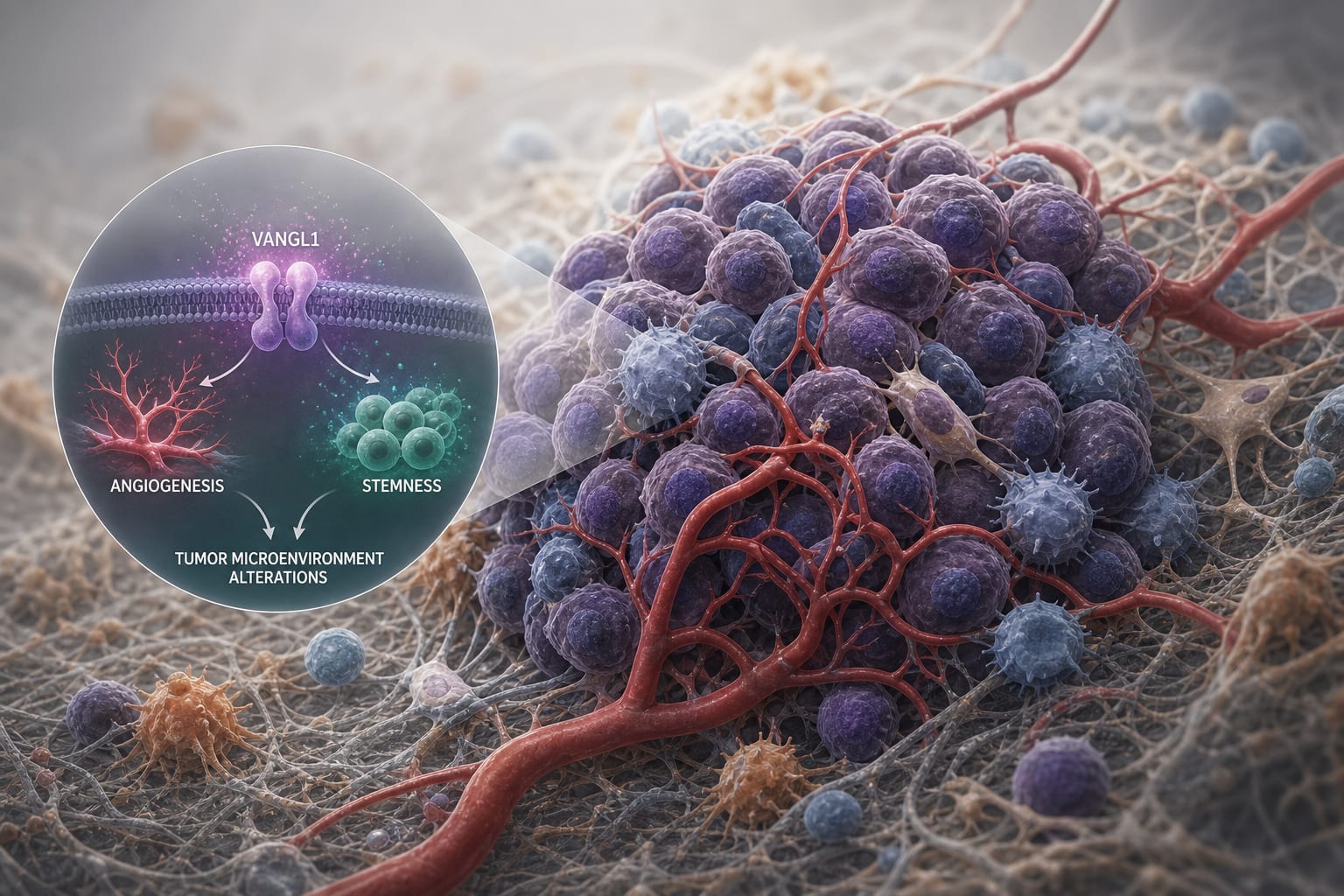
| Key Mechanisms | Expression of receptor activator of nuclear factor-κB ligand (RANKL) in tumor cells associated with osteolytic features. |
| Target Population | Adults, particularly older males (case study of a 70-year-old man). |
| Care Setting | Oncology and neurology settings for systemic evaluation and treatment. |
Key Highlights
- Rare presentation of DLBCL with extensive skull destruction and CNS involvement.
- Histopathological examination revealed non-GCB phenotype of DLBCL.
- Imaging studies indicated multi-organ involvement and significant osteolytic skull destruction.
- Treatment included Pola-R-CHP and CNS-directed therapy with high-dose methotrexate.
- Marked regression of the tumor and improvement of neurological symptoms observed post-treatment.
Guideline-Based Recommendations
Diagnosis
- Early biopsy and systemic evaluation of cutaneous lesions are essential.
Management
- Initiate systemic chemotherapy with Pola-R-CHP for high-risk DLBCL.
Monitoring & Follow-up
- Monitor soluble IL-2 receptor levels and neurological symptoms during treatment.
Risks
- Potential for aggressive systemic disease indicated by cutaneous lesions.
Patient & Prescribing Data
High-risk DLBCL patients with IPI score ≥2.
Pola-R-CHP demonstrated improved progression-free survival compared to R-CHOP.
Clinical Best Practices
- Conduct thorough differential diagnosis for rapidly enlarging scalp tumors.
- Utilize imaging studies to assess for CNS involvement in suspected cases.
- Consider RANKL expression in tumor cells as a potential factor in osteolytic features.
Related Resources & Content