Clinical heterogeneity and diagnostic challenges in CASK-related neurodevelopmental disorders: a longitudinal observational study - Scorecard - MDSpire

Clinical heterogeneity and diagnostic challenges in CASK-related neurodevelopmental disorders: a longitudinal observational study

  • By

  • Iliyana Hristova Pacheva

  • Elena Timova

  • Tihomir Todorov

  • Iglika Sotkova

  • Katerina Gaberova

  • Ralitza Yordanova

  • Tzvetelina Tzvetanova

  • Fani Galabova

  • Nevyana Ivanova

  • Albena Todorova

  • July 13, 2026

Share

Clinical Scorecard: Diverse Clinical Presentations and Diagnostic Difficulties in Neurodevelopmental Disorders Associated with CASK: A Longitudinal Observational Analysis

At a Glance

CategoryDetail
ConditionCASK-related neurodevelopmental disorders
Key MechanismsPathogenic variants in the CASK gene affecting synaptic development and neuronal migration
Target PopulationPediatric patients with suspected genetic neurodevelopmental disorders
Care SettingTertiary pediatric neurology center

Key Highlights

  • CASK variants lead to a spectrum of X-linked phenotypes from severe neurodevelopmental impairment to mild intellectual disability.
  • Clinical presentations include MICPCH, developmental impairment, abnormal muscle tone, and epilepsy.
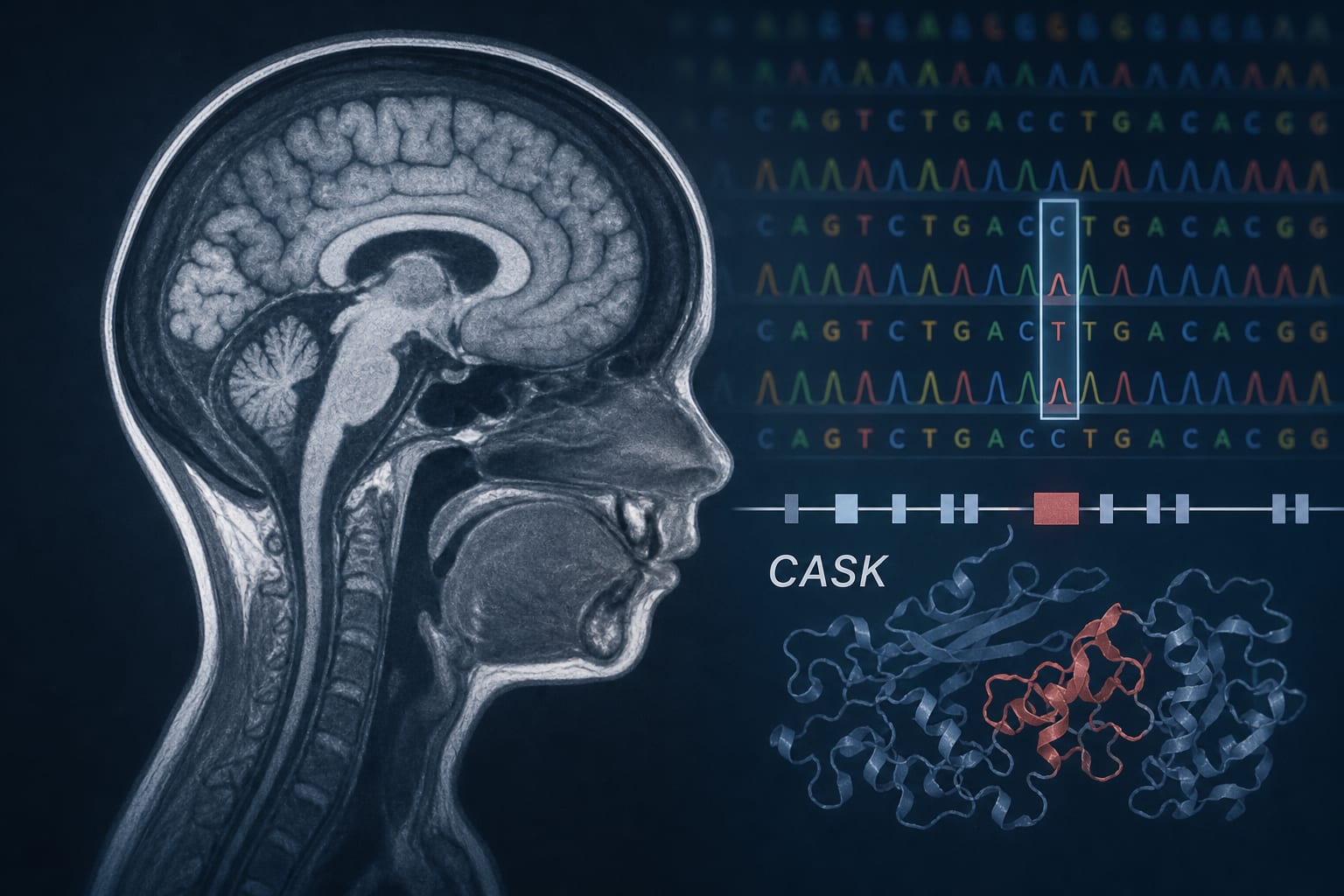
  • Marked intrafamilial phenotypic variability complicates diagnosis.
  • Comprehensive genetic testing is essential for accurate diagnosis of CASK-related disorders.
  • Epilepsy is a common feature, with variable onset and types.

Guideline-Based Recommendations

Diagnosis

  • Utilize next-generation sequencing for patients with clinical features suggestive of CASK-related disorders.

Management

  • Monitor developmental progress and manage associated symptoms such as epilepsy.

Monitoring & Follow-up

  • Regular follow-up assessments of neurodevelopmental status and seizure activity.

Risks

  • Delayed diagnosis due to absence of characteristic neuroimaging findings.

Patient & Prescribing Data

Pediatric patients diagnosed with CASK-related disorders

Management strategies should be individualized based on the specific clinical presentation.

Clinical Best Practices

  • Conduct thorough clinical evaluations including neurological assessments.
  • Implement genetic testing when CASK-related disorders are suspected.
  • Consider multidisciplinary approaches for managing complex presentations.

Related Resources & Content

Original Source(s)

Related Content