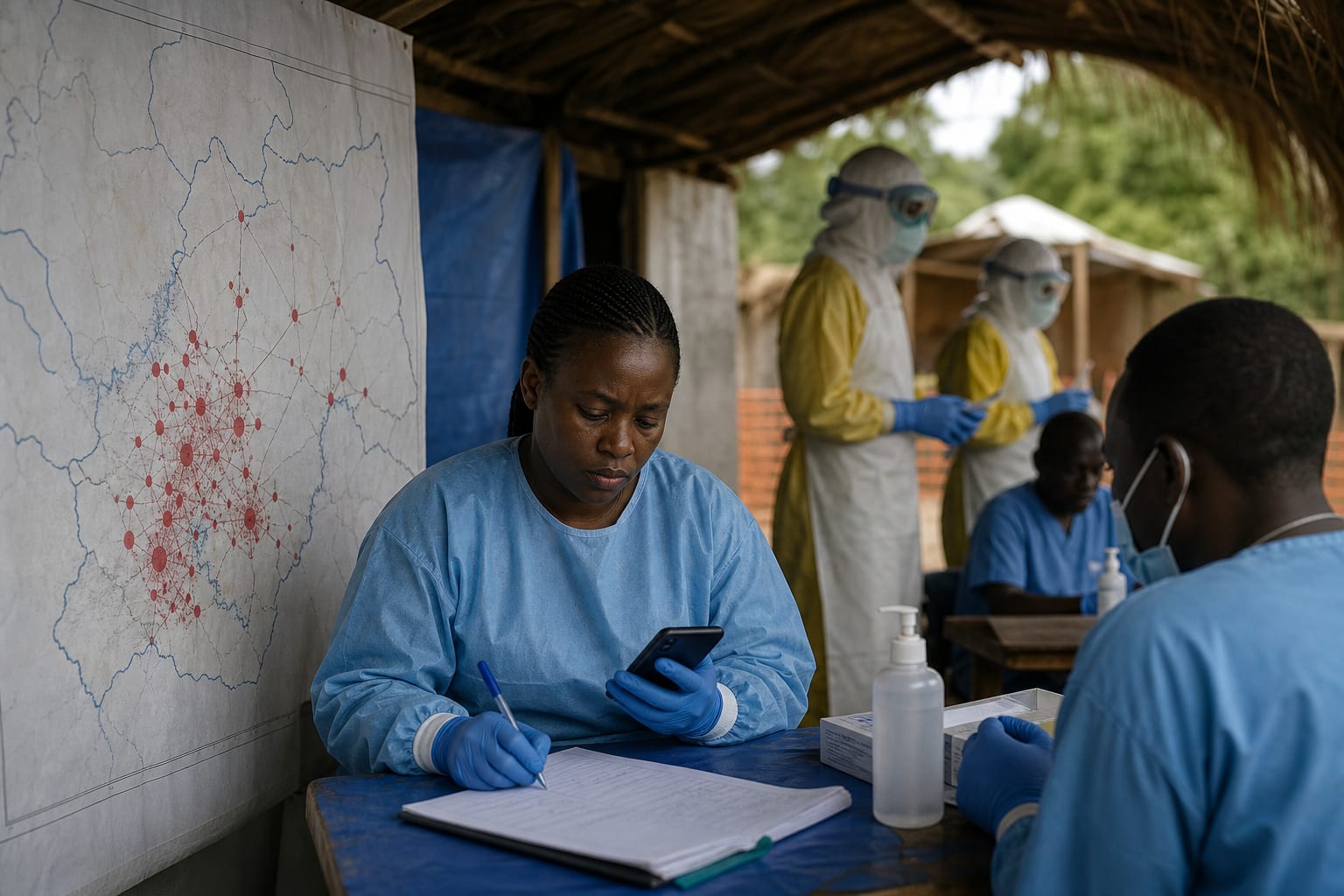
I led the U.S. CDC response to the 2014 Ebola epidemic. The new outbreak needs massive, immediate, meticulous action
By
Tom Frieden
June 6, 2026
Clinical Scorecard: Urgent and Comprehensive Action Required to Address the Current Ebola Outbreak: Insights from the 2014 U.S. CDC Response
At a Glance
Category Detail
Condition Key Mechanisms Contact tracing, quarantine, rapid isolation, supportive care (ensure sourced). Target Population Care Setting
Key Highlights
Current outbreak in DRC has spread to 25 health zones with insufficient contact tracing and resources (ensure sourced). Supportive care is crucial as there is no vaccine or proven treatment for the current strain (ensure sourced). Community involvement is essential for effective outbreak management and trust-building (ensure sourced). Rapid laboratory confirmation and staffing of treatment units are critical for controlling the outbreak (ensure sourced). Historical responses show that timely intervention can significantly reduce case numbers (ensure sourced). Guideline-Based Recommendations
Diagnosis
Laboratories must confirm cases within hours (ensure sourced). Management
Supportive care is necessary to save lives (ensure sourced). Monitoring & Follow-up
Surveillance teams must find every suspected case and contact and follow each for 21 days (ensure sourced). Risks
One unprotected health worker can initiate a new transmission chain (ensure sourced). Patient & Prescribing Data
Individuals in the DRC affected by the Ebola outbreak.
No proven treatment available; supportive care is emphasized.
Clinical Best Practices
Engage trusted community leaders to facilitate care-seeking behavior (ensure sourced). Implement meticulous contact tracing and quarantine measures (ensure sourced). Ensure health workers are adequately trained and equipped (ensure sourced). Related Resources & Content