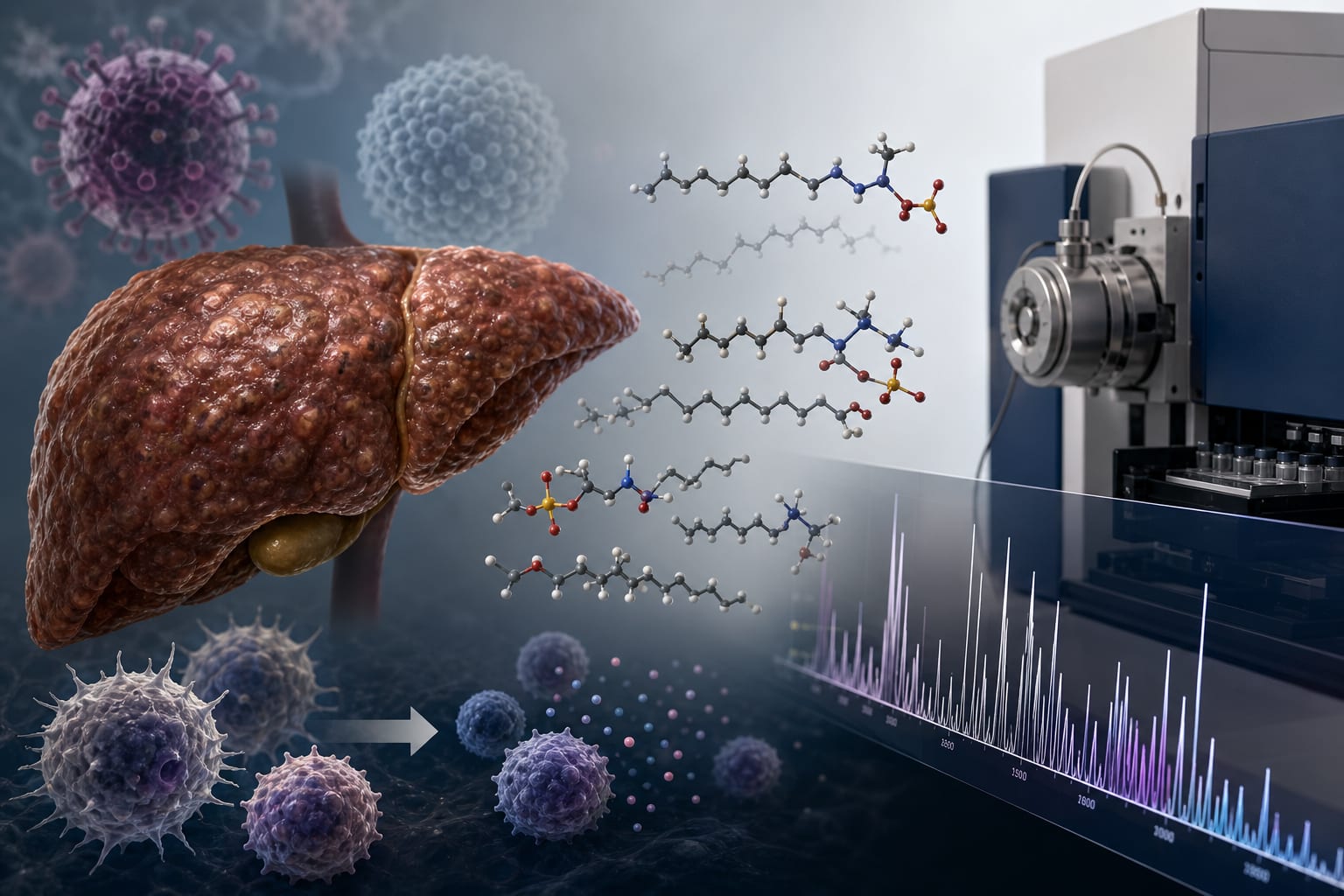
Lipidomic Analysis of Liver Decompensation in HIV/HCV Coinfection: Links Between Plasma Lipid Deficiency and Immune Dysfunction
Clinical Scorecard: Lipidomic Analysis of Liver Decompensation in HIV/HCV Coinfection: Links Between Plasma Lipid Deficiency and Immune Dysfunction
At a Glance
Category Detail
Condition Decompensated Advanced Chronic Liver Disease (dACLD) Key Mechanisms Systemic lipid depletion correlating with inflammation and immune activation Target Population HIV/HCV-coinfected patients with advanced chronic liver disease Care Setting Cross-sectional study in a clinical research cohort
Key Highlights
28 lipid species identified as significantly depleted in dACLD patients Lipid dysregulation linked to immune dysfunction and inflammation dACLD associated with higher liver-related mortality even post-antiviral treatment Guideline-Based Recommendations
Diagnosis
Use Child-Turcotte-Pugh (CTP) score and clinical history for dACLD classification Management
Stable antiretroviral therapy (ART) for HIV is essential in managing coinfected patients Monitoring & Follow-up
Monitor lipid profiles and inflammatory markers in patients with advanced liver disease Risks
Increased risk of liver-related mortality in dACLD patients Patient & Prescribing Data
HIV/HCV-coinfected individuals with advanced chronic liver disease
Lipidomic profiles may serve as biomarkers for disease progression
Clinical Best Practices
Regular assessment of liver function and lipid profiles in HIV/HCV-coinfected patients Consider lipidomic analysis for early identification of patients at risk for decompensation Related Resources & Content