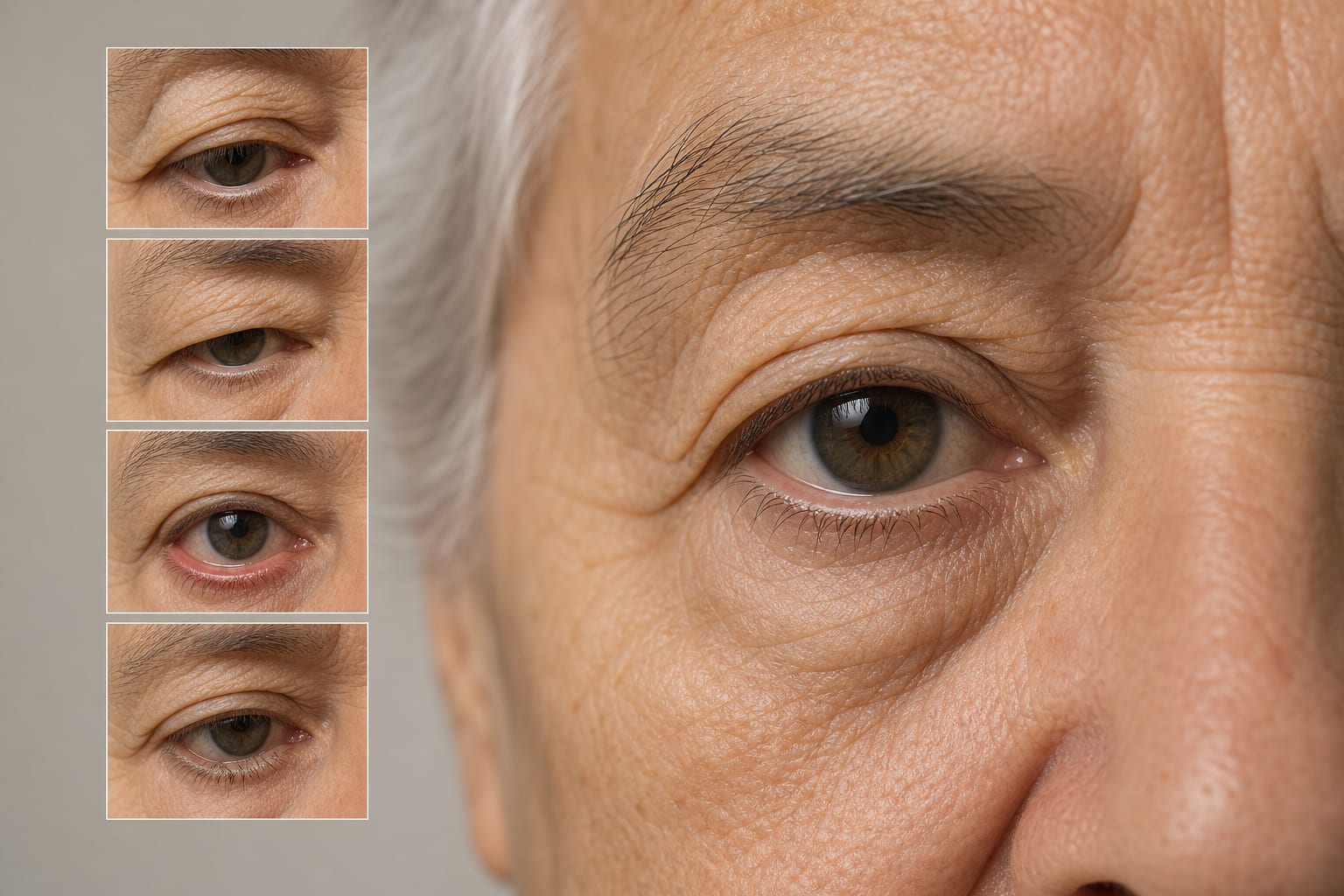
Navigating Presbyopia Conversations With Confidence
Understanding the concept of ocular maturity helps staff frame presbyopia as a natural, manageable process with modern solutions.
Clinical Scorecard: Navigating Presbyopia Conversations With Confidence
At a Glance
| Category | Detail |
|---|
| Condition | Presbyopia |
| Key Mechanisms | Natural loss of accommodative ability with age. |
| Target Population | Adults aged 40 and older, particularly those experiencing vision changes. |
| Care Setting | Ophthalmic practices and clinics. |
Key Highlights
- Presbyopia is a spectrum, not a switch.
- Empathy and generational awareness enhance patient experience.
- Innovative options include presbyopia-correcting eye drops and Refractive Lens Exchange.
- Tailored communication is essential for different generational perspectives.
- Lifestyle discussions can guide treatment decisions.
Guideline-Based Recommendations
Diagnosis
- Assess visual acuity and accommodative ability.
- Understand the emotional impact of presbyopia on patients.
Management
- Discuss over-the-counter reading glasses as a first option.
- Introduce presbyopia-correcting eye drops and monovision contact lenses.
Monitoring & Follow-up
- Regularly evaluate visual changes and patient satisfaction with current solutions.
Risks
- Patients may have misconceptions about surgical options and outcomes.
Patient & Prescribing Data
Adults experiencing presbyopia, particularly those in their 40s to 60s.
Patients often prefer solutions that align with their lifestyle and independence.
Clinical Best Practices
- Use age-neutral language when discussing treatment options.
- Incorporate open-ended questions to understand patient needs.
- Provide education without medical jargon to enhance understanding.
Related Resources & Content