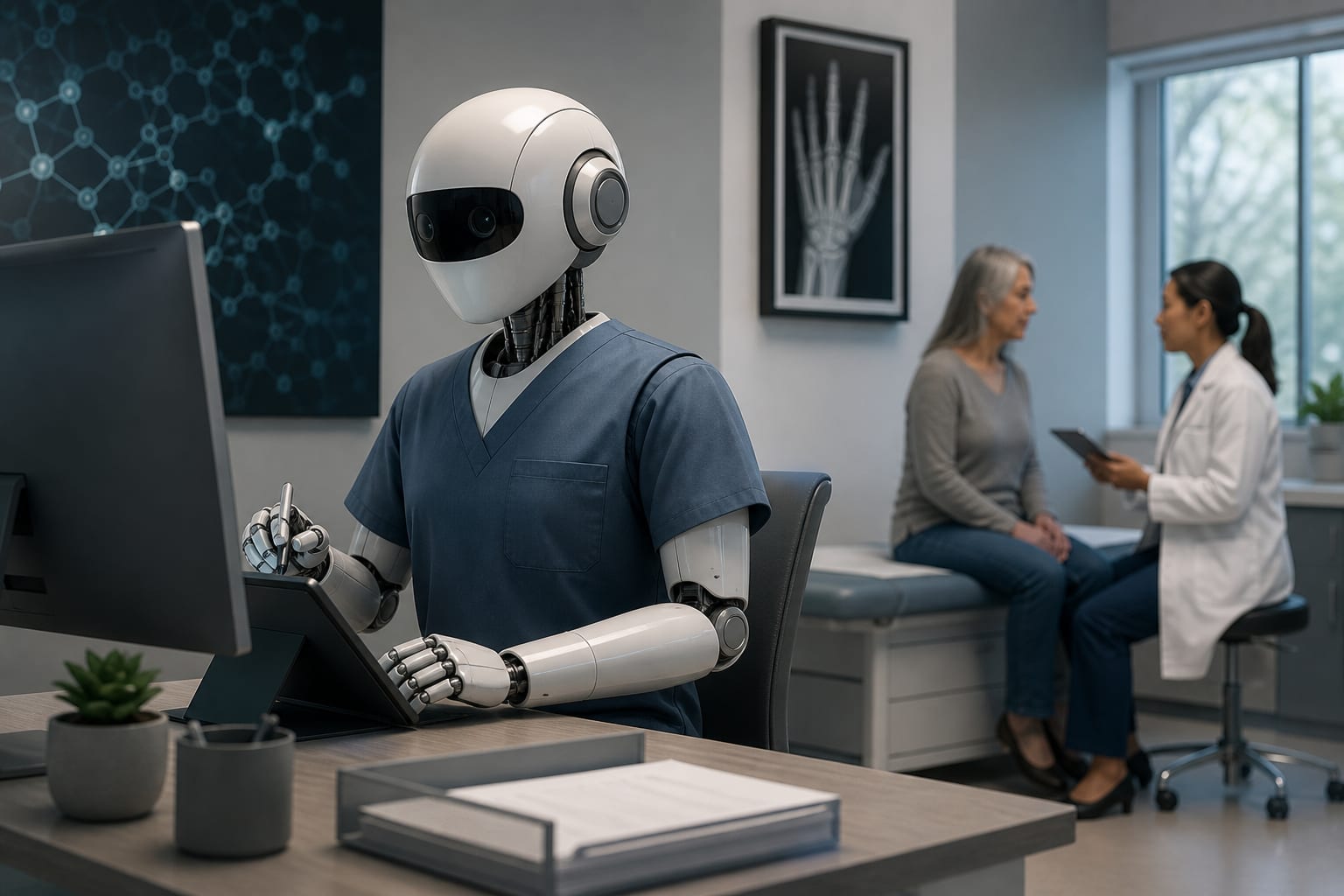
The Role of Humanoid Assistants in Addressing the Rheumatology Workforce Shortage: A Look Ahead
-
By
-
Adam Kilian
-
Laura Upton
-
Joshua Samec
-
Shivang Chaudhary
-
Adam Friedman
-
Eva Waineo
-
Terry Moore
-
August 29, 2026
Clinical Scorecard: The Role of Humanoid Assistants in Addressing the Rheumatology Workforce Shortage: A Look Ahead
At a Glance
| Category | Detail |
|---|
| Condition | Rheumatology Workforce Shortage |
| Key Mechanisms | Integration of humanoid AI systems into clinical care to address workforce gaps. |
| Target Population | Patients requiring rheumatology services, including adults and children. |
| Care Setting | Clinical environments where rheumatology services are provided. |
Key Highlights
- Projected demand for adult rheumatology services will exceed supply by over 100% by 2030.
- Pediatric rheumatology faces significant challenges with a limited number of specialists.
- Humanoid colleagues could be trained through fellowship programs to assist in clinical tasks.
- Accountability and safety in AI interactions would remain physician-directed.
- Supervising humanoid trainees may enhance educational value for faculty and fellows.
Guideline-Based Recommendations
Diagnosis
Management
Monitoring & Follow-up
Risks
- Clinician burnout and administrative workload are risks to workforce sustainability.
Patient & Prescribing Data
Patients with rheumatic diseases requiring specialized care.
Humanoid systems may assist in structured history collection and medication adherence counseling.
Clinical Best Practices
- Develop graduated supervision systems for humanoid trainees to ensure patient safety.
- Retain authority over advancement decisions within academic centers.
Related Resources & Content