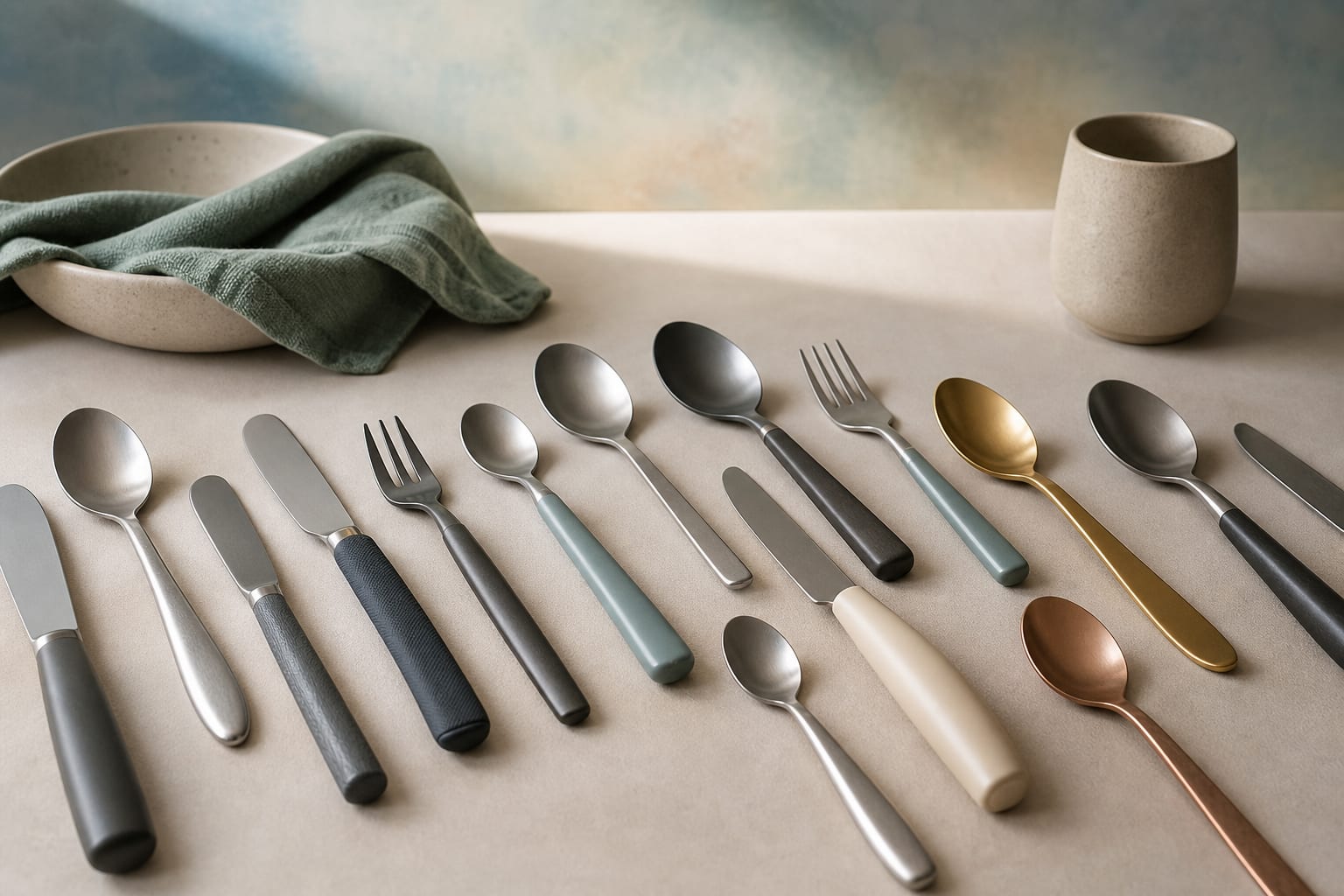
Investigating the Sensory Characteristics of Cutlery in Eating Disorder Treatment for Neurodivergent Individuals
-
By
-
Dimitri Chubinidze
-
Adia Meyer
-
Lauren Makin
-
Kendal Sterling
-
Kate Tchanturia
-
June 11, 2026
Clinical Scorecard: Investigating the Sensory Characteristics of Cutlery in Eating Disorder Treatment for Neurodivergent Individuals
At a Glance
| Category | Detail |
|---|
| Condition | Eating Disorders (ED) |
| Key Mechanisms | Sensory sensitivities related to cutlery impact comfort and engagement during meals. |
| Target Population | Adults with eating disorders, particularly those who are neurodivergent (autism and/or ADHD). |
| Care Setting | Specialist ED services implementing the PEACE Pathway. |
Key Highlights
- Metal cutlery is preferred over wooden, plastic, and hybrid designs.
- Cutlery serves as an active sensory interface influencing mealtime comfort.
- Individual variation in sensory preferences was noted among participants.
- Standardized cutlery may increase distress and reduce autonomy in patients.
- Sensory-informed adaptations in cutlery can enhance treatment engagement.
Guideline-Based Recommendations
Diagnosis
- Consider sensory processing differences in individuals with eating disorders.
Management
- Incorporate sensory preferences in the selection of cutlery for patients.
Monitoring & Follow-up
- Evaluate patient comfort and engagement with mealtime tools.
Risks
- Standardized cutlery may exacerbate distress and feelings of institutional detachment.
Patient & Prescribing Data
Adults undergoing intensive treatment for eating disorders.
Personalized cutlery choices may improve mealtime experiences.
Clinical Best Practices
- Utilize sensory object elicitation methods to assess patient preferences.
- Adapt environments to meet individual sensory needs in ED care.
Related Resources & Content