Clinical Scorecard: A Comprehensive Molecular Framework for Understanding Asthma
At a Glance
Category
Detail
Condition
Asthma, a heterogeneous inflammatory airway disease
Key Mechanisms
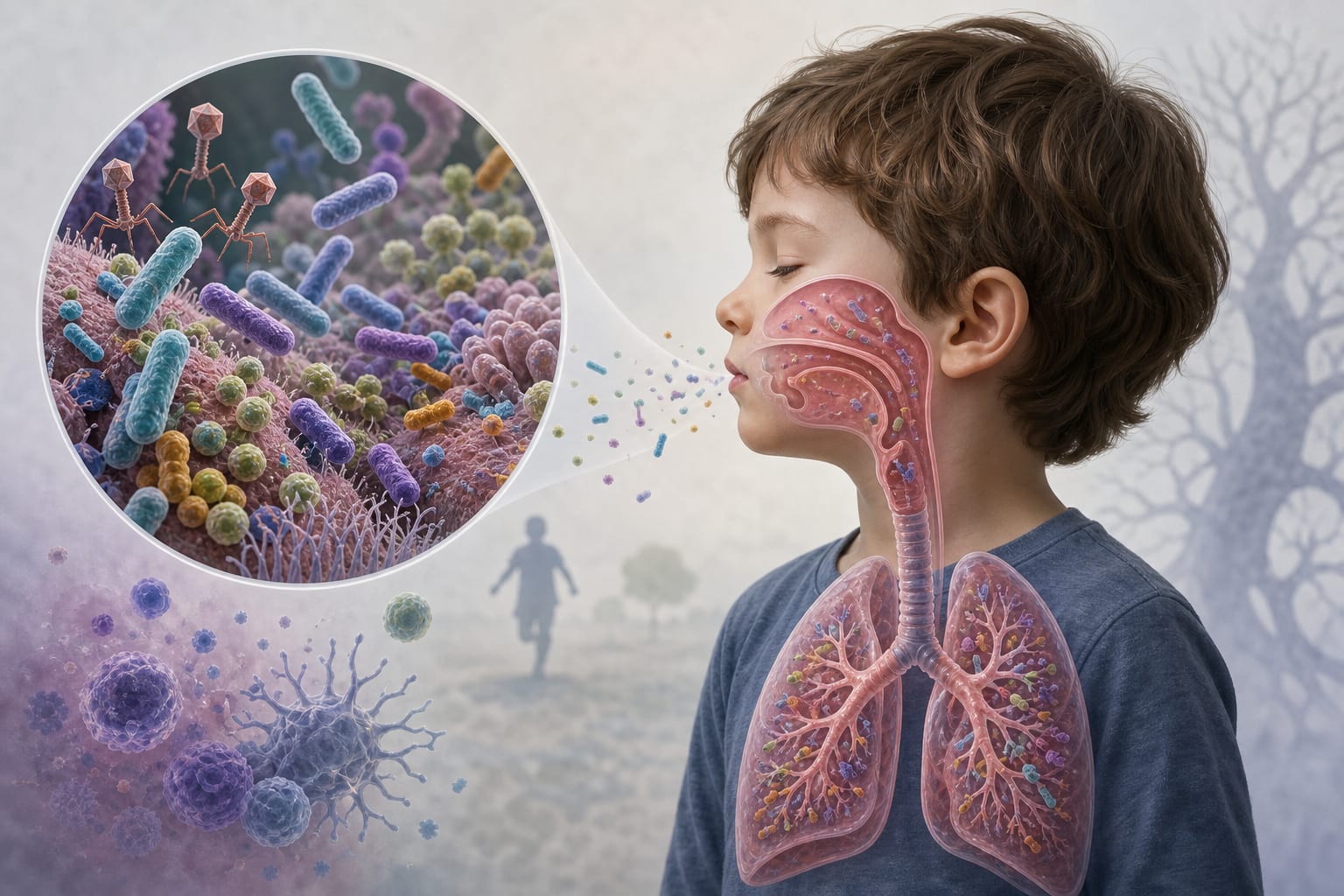
Complex genetic, immunological, environmental, and neuro-immune interactions driving airway inflammation, hyperresponsiveness, and remodeling
Target Population
Patients with allergic-eosinophilic and non-allergic asthma phenotypes
Care Setting
Research and clinical settings focusing on molecular-targeted asthma therapies
Key Highlights
Systems biology approach integrates molecular interactions across 31 pulmonary, immune, and neuronal cell types involved in asthma pathogenesis
Environmental triggers and psychological stress modulate neuro-immune axis, amplifying airway inflammation and exacerbations
Developed a multilayered molecular systems architecture enabling visualization of cross-organ lung-brain interactions and identification of therapeutic targets
Guideline-Based Recommendations
Diagnosis
Consider molecular endotyping of asthma to distinguish allergic-eosinophilic versus non-allergic phenotypes
Evaluate psychological comorbidities such as anxiety and depression as contributors to asthma exacerbations
Management
Target therapies based on identified molecular pathways and cell types involved in individual asthma endotypes
Incorporate strategies addressing environmental triggers and psychological stress to reduce airway inflammation
Explore combination therapeutics guided by systems biology models for personalized treatment
Monitoring & Follow-up
Monitor biomarkers reflecting airway and neuronal inflammation to assess disease activity and treatment response
Track psychological stress levels as part of comprehensive asthma management
Risks
Environmental pollutants and infections can initiate and exacerbate core asthma pathobiological processes
Psychological stress may amplify neuro-immune interactions, increasing risk of asthma exacerbations
Patient & Prescribing Data
Individuals with diverse asthma endotypes including allergic and non-allergic phenotypes
Systems biology framework supports development of targeted and combination therapies tailored to molecular mechanisms and patient-specific disease profiles
Clinical Best Practices
Utilize systems biology approaches to understand complex molecular and cellular interactions in asthma
Incorporate assessment of neuro-immune axis and psychological factors in asthma evaluation
Apply molecular systems architecture to guide personalized therapeutic strategies and drug development