Elevating Ocular Surface Care
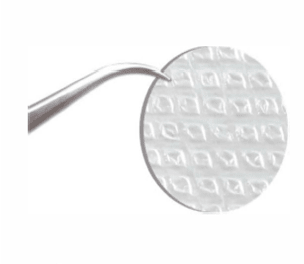
The trilayer decellularized basement membrane is used in ocular surgery and in OSD applications, including corneal and conjunctival-related injuries or defects.
By
Julie Greenbaum, editor
May 1, 2026
Clinical Scorecard: Elevating Ocular Surface Care
At a Glance
Category Detail
Condition Ocular Surface Disorders Key Mechanisms Guided epithelial healing, reduction of inflammation, protection of ocular surface Target Population Patients with neurotrophic keratitis, non-healing epithelial defects, dry eye disease, and post-surgical complications Care Setting Ophthalmology clinics and surgical centers
Key Highlights
Ideal candidates include those with persistent epithelial defects and moderate to severe dry eye disease. Amniotic membrane therapy is effective for chemical injuries and ocular graft-versus-host disease. Proper coding and documentation are essential for reimbursement. Success rates are influenced by the ocular surface environment and underlying conditions. Early treatment in acute inflammatory conditions can improve outcomes. Guideline-Based Recommendations
Diagnosis
Use ICD-10 codes for persistent epithelial defects (H16.23x) and neurotrophic keratitis (H16.23x). Document underlying conditions and therapeutic intent. Management
Consider amniotic membrane therapy for patients with failed conservative treatment. Address underlying inflammation and promote epithelial healing. Monitoring & Follow-up
Assess the ocular surface for epithelial defects and corneal sensitivity. Monitor for signs of inflammation and treatment efficacy. Risks
Reduced success in cases of severe limbal stem cell deficiency. Potential complications from uncontrolled inflammation. Patient & Prescribing Data
Patients with compromised immune systems, diabetes, and those undergoing ocular surgeries.
Amniotic membranes can aid in healing and reducing inflammation in various ocular surface disorders.
Clinical Best Practices
Ensure proper documentation of clinical findings and treatment intent. Verify payer coverage and obtain prior authorizations when necessary. Utilize appropriate coding for procedures and diagnoses. Related Resources & Content