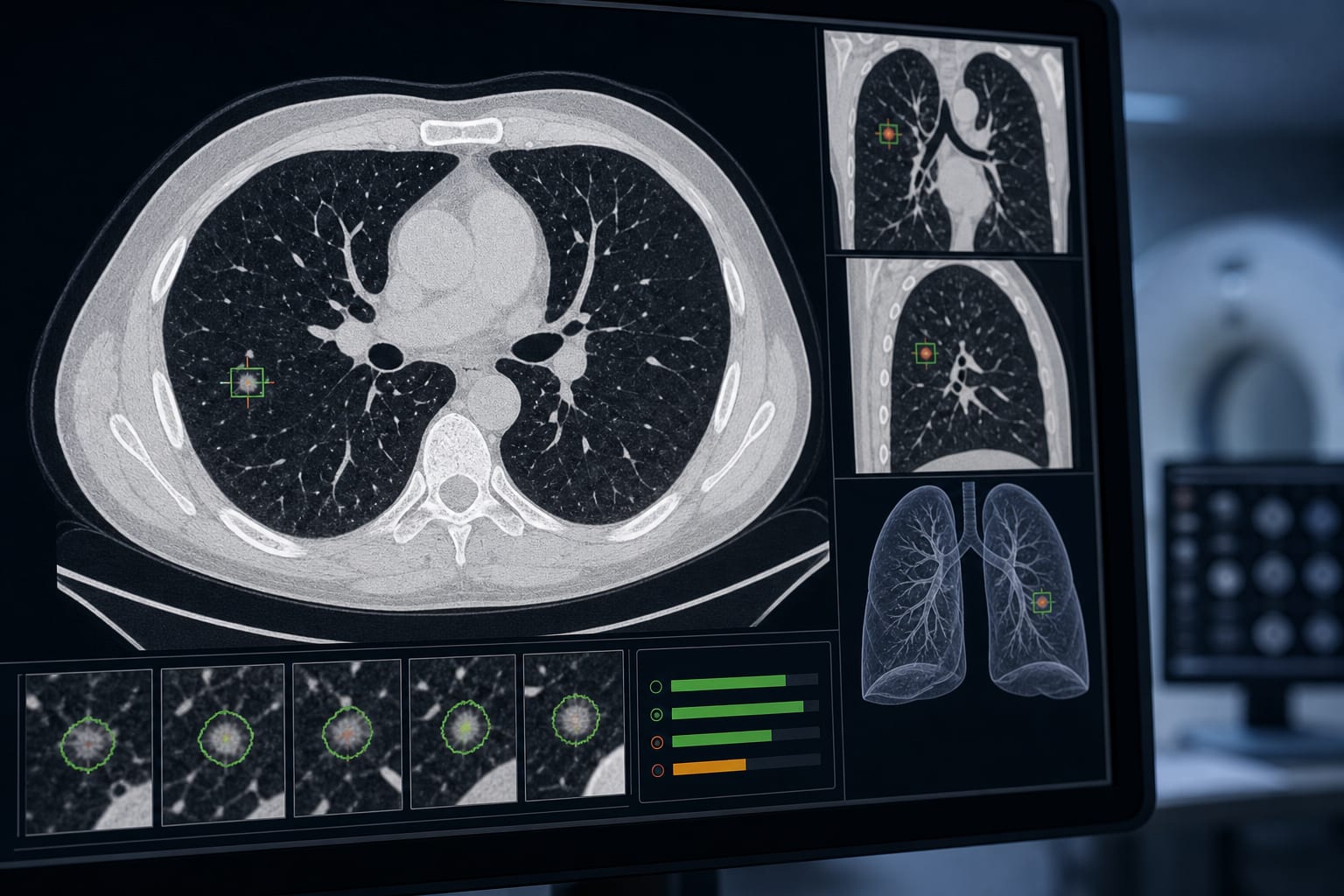
AI Drafts Cut Radiograph Reporting Time
Prospective cohort study found faster documentation, with no statistically significant difference in peer-reviewed report quality
-
By
-
Andrea Surnit
-
May 20, 2026
-
Clinical Scorecard: AI Drafts Cut Radiograph Reporting Time
At a Glance
| Category | Detail |
|---|
| Condition | Radiograph Reporting Efficiency |
| Key Mechanisms | Generative AI model integrated into radiology reporting software to draft reports from plain radiographs and clinical data. |
| Target Population | Patients undergoing plain radiographs in a tertiary care academic health system. |
| Care Setting | Single 12-hospital tertiary care academic health system. |
Key Highlights
- Mean documentation time decreased from 189 seconds to 160 seconds with AI assistance.
- 82% of model-assisted studies were chest radiographs.
- No significant difference in clinical accuracy or textual quality between model-assisted and traditional reports.
- AI model identified unexpected pneumothorax with 73% sensitivity and 99.9% specificity.
- Study limited by observational design and single health system evaluation.
Guideline-Based Recommendations
Diagnosis
- Utilize AI-generated draft reports to enhance documentation efficiency.
Management
- Implement AI tools in routine radiology workflows to reduce reporting time.
Monitoring & Follow-up
- Evaluate the long-term impact of AI on productivity and physician burnout.
Risks
- Potential for missed cases of pneumothorax; further study needed on clinical outcomes.
Patient & Prescribing Data
Patients receiving plain radiographs.
AI-assisted reporting may improve efficiency without compromising report quality.
Clinical Best Practices
- Integrate AI tools into existing clinical workflows for improved efficiency.
- Conduct ongoing assessments of AI performance and impact on patient care.
Related Resources & Content