Synthetic short RNA in cancer
-
By
-
Takeshi Tomita
-
Kentaro Minagawa
-
Sachie Hiratsuka
-
May 28, 2026
-
Clinical Scorecard: Artificial Short RNAs and Their Role in Cancer Research
At a Glance
| Category | Detail |
|---|
| Condition | Cancer |
| Key Mechanisms | Synthetic short RNAs modulate cellular biology, including gene silencing and immune response. |
| Target Population | Cancer patients |
| Care Setting | Research and clinical settings focused on cancer treatment |
Key Highlights
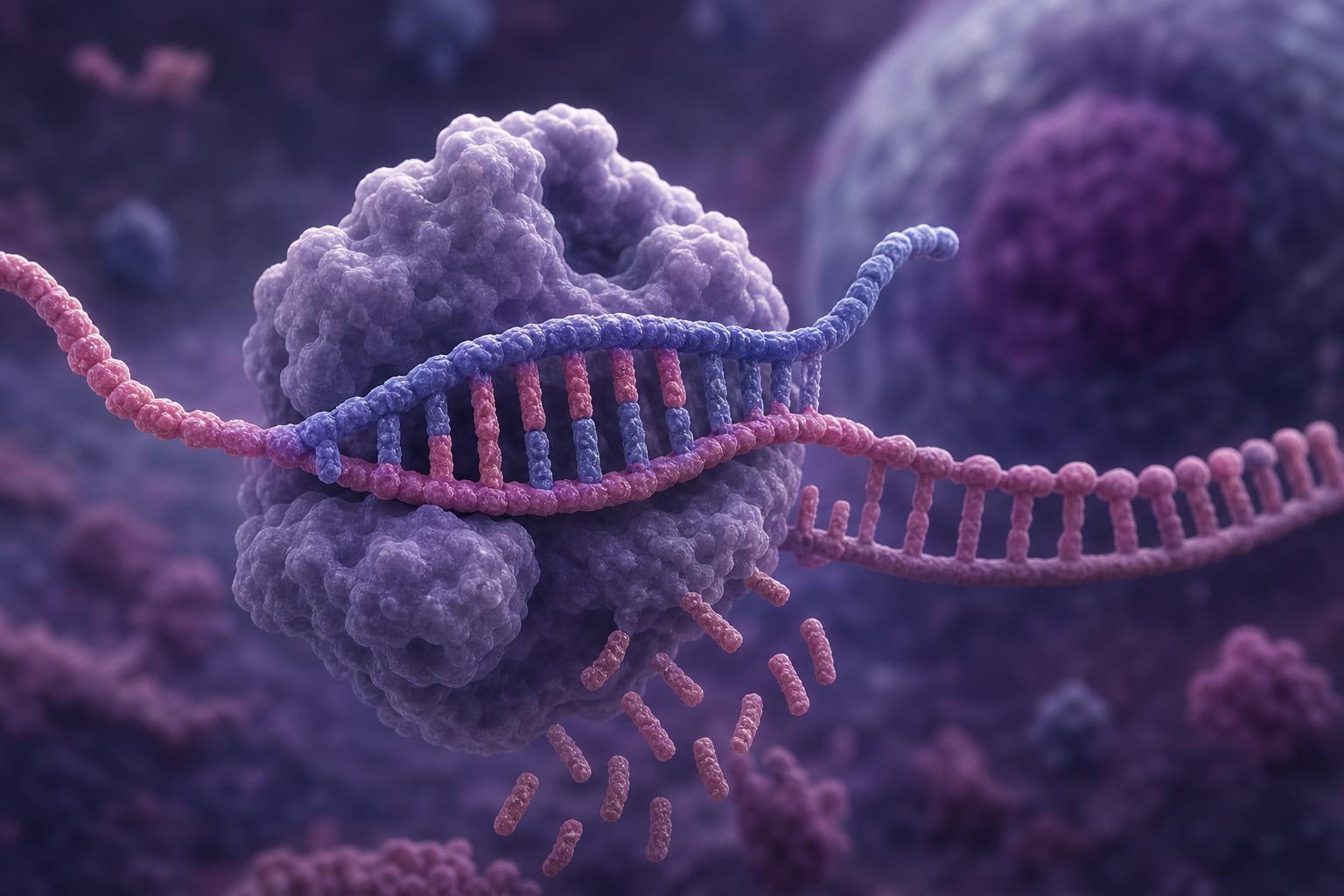
- Synthetic short RNAs include siRNAs and aptamers, which can decrease protein expression and bind to target molecules.
- Synthetic short mRNA is emerging as a powerful tool for cancer treatment.
- Chemical modifications enhance the stability and efficacy of synthetic short RNAs.
- RNA-based therapies offer high versatility compared to traditional modalities.
- In vitro sequence selection techniques like SELEX allow for optimized oligonucleotide sequence identification.
Guideline-Based Recommendations
Diagnosis
Management
- Utilize synthetic short RNAs for gene silencing and immune modulation in cancer therapy.
Monitoring & Follow-up
Risks
- RNA-based therapies may have disadvantages related to stability, delivery, and renal clearance.
Patient & Prescribing Data
Patients with cancer requiring novel therapeutic approaches.
Synthetic short RNAs can be designed to target specific molecules involved in tumor biology.
Clinical Best Practices
- Consider chemical modifications to enhance the stability of synthetic short RNAs.
- Employ in vitro techniques like SELEX for developing new therapeutic oligonucleotides.
Related Resources & Content