Utilization of artificial intelligence for tumor segmentation in head and neck cancers: A systematic review and meta-analysis comparing PET with PET/CT imaging techniques - Scorecard - MDSpire
Conexiant’s news site is now MDSpire News. Learn more
Advertisement
Utilization of artificial intelligence for tumor segmentation in head and neck cancers: A systematic review and meta-analysis comparing PET with PET/CT imaging techniques
Clinical Scorecard: Utilization of artificial intelligence for tumor segmentation in head and neck cancers: A systematic review and meta-analysis comparing PET with PET/CT imaging techniques
At a Glance
Category
Detail
Condition
Key Mechanisms
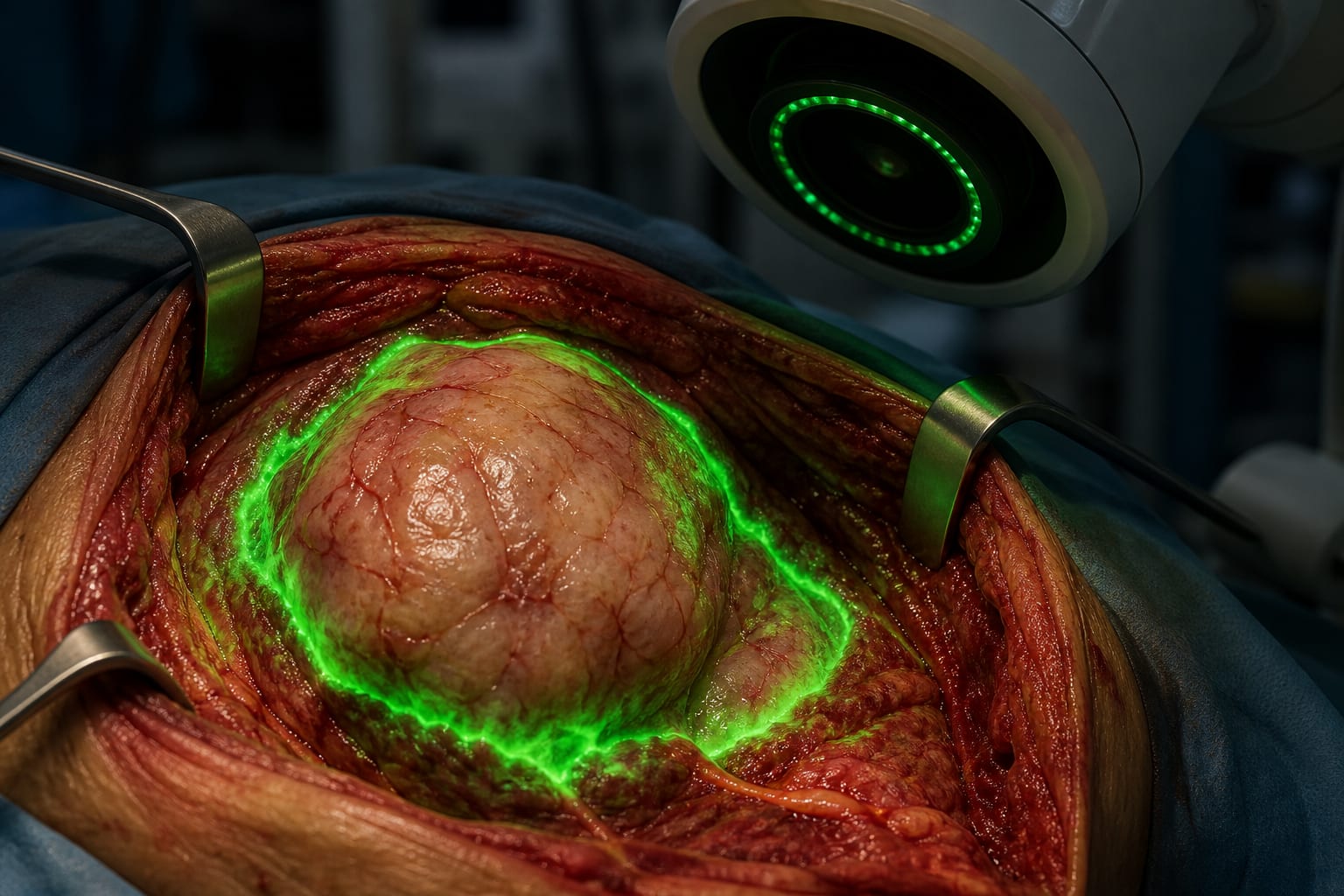
Combination of metabolic and anatomical data from PET and CT imaging enhances tumor segmentation, particularly in gross tumor volume delineation.
Target Population
Care Setting
Key Highlights
PET/CT fusion imaging improves tumor boundary delineation compared to single modalities.
Deep learning models enhance the accuracy and efficiency of tumor segmentation.
Manual segmentation is time-consuming and prone to variability, necessitating automated solutions.
Current segmentation methods face challenges in distinguishing tumors from inflammation.
Guideline-Based Recommendations
Diagnosis
Management
Incorporate AI-based segmentation tools, such as convolutional neural networks, to optimize radiotherapy planning.
Monitoring & Follow-up
Risks
Patient & Prescribing Data
Individuals diagnosed with head and neck cancers.
AI-assisted segmentation can lead to better treatment outcomes by ensuring precise tumor coverage.
Clinical Best Practices
Adopt hybrid imaging techniques combining PET and CT for enhanced diagnostic precision.
Implement deep learning models, such as CNNs and attention-based architectures, for automated tumor delineation to reduce observer variability.