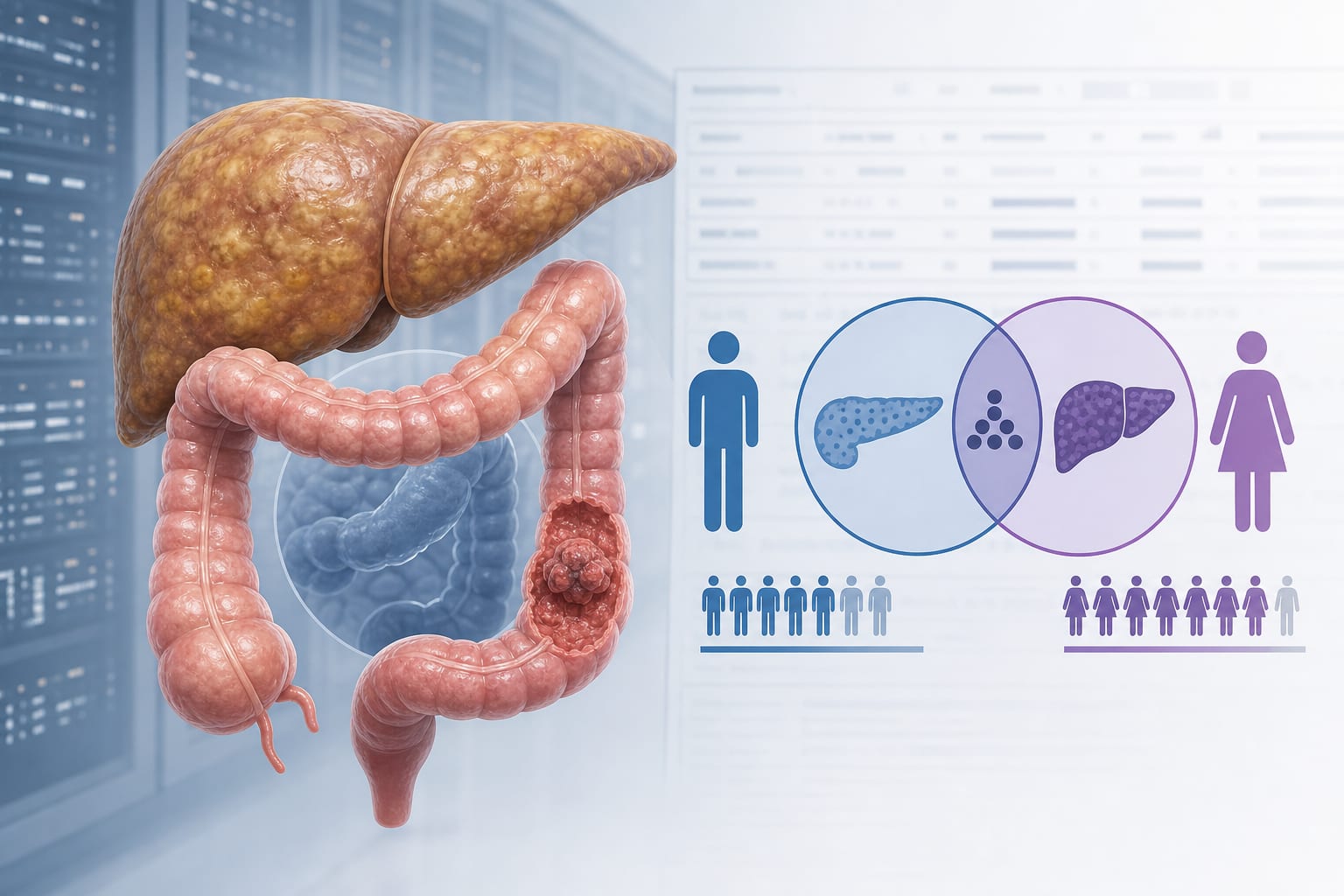
Clinical Scorecard: The ETV4 Transcription Factor's Emerging Significance in Colorectal Cancer: Insights into Molecular Mechanisms and Clinical Relevance
At a Glance
Category
Detail
Condition
Colorectal Cancer (CRC)
Key Mechanisms
ETV4 regulates gene expression involved in tumor cell proliferation, invasion, migration, epithelial-mesenchymal transition, chemoresistance, and immune evasion.
Target Population
Patients with colorectal cancer, particularly those with advanced disease and metastasis.
Care Setting
Clinical oncology and cancer research.
Key Highlights
ETV4 is frequently overexpressed in CRC and correlates with poor prognosis.
Activation of ETV4 is linked to oncogenic signaling pathways such as MAPK, PI3K/Akt, and WNT.
ETV4 serves as a promising biomarker for CRC diagnosis and prognosis.
Targeting ETV4 or its upstream pathways may represent a therapeutic strategy for CRC.
Research on ETV4's role in immune evasion and tumor microenvironment is ongoing.
Guideline-Based Recommendations
Diagnosis
Utilize ETV4 as a biomarker for CRC diagnosis and prognosis.
Management
Consider targeting ETV4 or its upstream pathways in therapeutic strategies for CRC.
Monitoring & Follow-up
Monitor ETV4 expression levels as a potential indicator of disease progression.
Risks
Overexpression of ETV4 is associated with advanced disease and poor patient outcomes.
Patient & Prescribing Data
Patients diagnosed with colorectal cancer, especially those with advanced stages.
Understanding ETV4's role may aid in developing targeted therapies and improving treatment outcomes.
Clinical Best Practices
Incorporate ETV4 assessment in the diagnostic workup for CRC.
Stay updated on emerging therapies targeting ETV4 and related pathways.